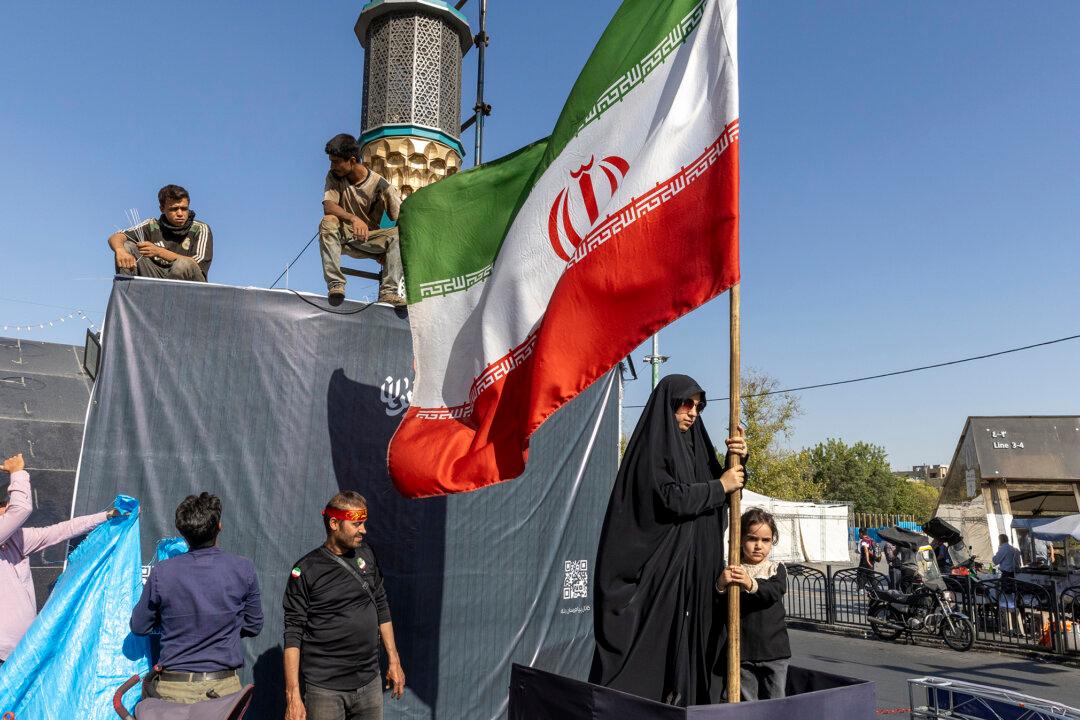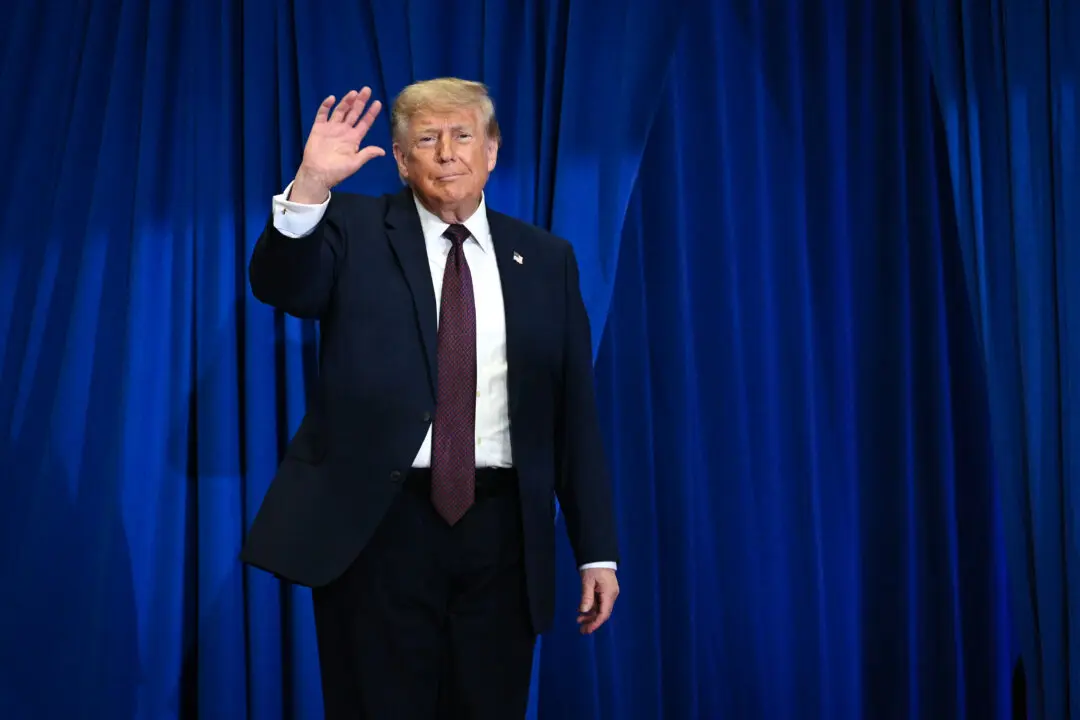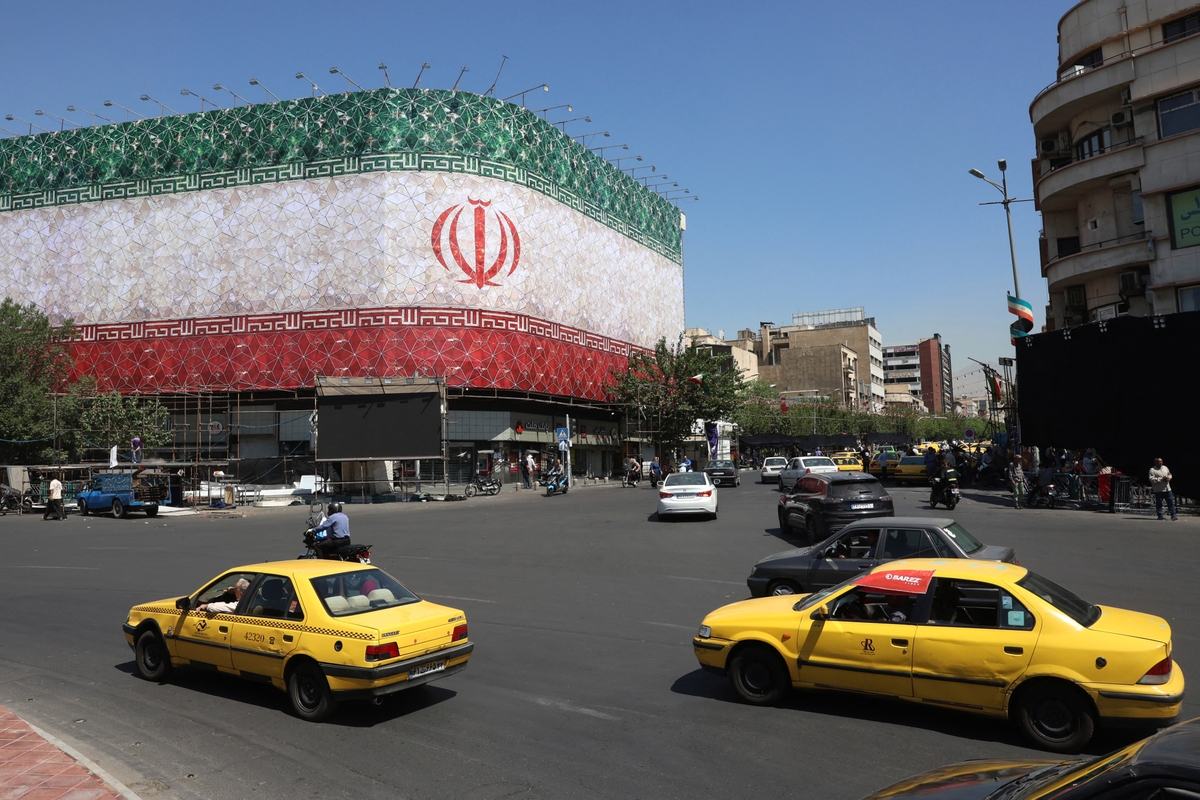

There’s been a lot of confusion about this memorandum of understanding, and that’s the 60-day hiatus in the quote-unquote “war” with Iran that leads us into further negotiations. And a lot of people have rightly pointed out that they seemed a little bit too lenient, given the military defeat of Iran.
And I mentioned in earlier segments that they weren’t strategically defeated because we didn’t really know how to stop absolutely their missile attacks or their ability to stop, ruin the Strait of Hormuz traffic.
It’s getting a lot of criticism. From the Left, of course, we don’t really want to calibrate it because anything [President Donald] Trump did, they would criticize.
If he won the war in one day, they would say it was too long. But from the [Tucker] Carlson Right, as we said earlier, they’ve said it was a forever war, even though there were only 40 days of actual bombing, and it would go on and on and on, and they were not in favor of it.
And the subtext of that Carlson-Right criticism was that Benjamin Netanyahu and the Israelis, due to undue Jewish influence in the United States, brought us into a war that was neither in our interest nor could be won.
I think it is in our interest—well, aside from Israel—that Iran not have a bomb or not terrorize an area that the world depends on for oil. And more importantly, I don’t think it’s cooked up by a small number of Jews.
But there’s a new criticism from the supporters of the war who feel that the memorandum of understanding was too generous to Iran and that they’re going to take advantage of it.
And even as I speak, they hit, with a drone, a cargo ship in violation of the memorandum of understanding. So, what is going on? In a nutshell, Donald Trump feels—and this is my reading of what he’s said and what people in his administration have said or written—that Republicans must win the midterms or at least keep the Senate.
If they do not, everybody and his brother is going to be called in in a circus of lawsuits, lawfare, investigations—you name it—both before Congress and all over the federal judiciary, and they will paralyze Donald Trump’s final two years in office with nonstop impeachment hearings as well.
I don’t think they can convict him with 60 votes in the Senate, but they will try to do anything.
In addition, the world pressure will rise if the Strait is closed and we had continued kinetic action because the price of oil would ruin the economies of Europe and Asia, so we were told.
And then, in addition, the price of gas in the United States—it had gone down to almost $2 nationwide on average—it went up to $4. It’s down to about $3.20. And that was really the only known driver of inflation.
And so, you put all that together. Donald Trump wanted a timeout of 60 days and then negotiations. But really, let’s be honest, he wanted a four-month timeout until the midterms, in which he could manage the war.
Now, that would be possible if there are two things that he can communicate.
No. 1, every time Iran violates the memorandum of understanding by trying to block the Strait of Hormuz or fire missiles into the Gulf states or Israel, we have to reply disproportionately. One missile, we have 10 missiles or 10 days of attack.
If you don’t do that, the natural propensity of Iran to get more and more aggressive will increase, and he’ll lose all support because people who supported the war will then say we defeated them militarily, but we didn’t enforce the peace, and therefore, they’re taking advantage of us.
So, it’s very critical that, in this lead-up to the midterms, he reacts to these provocations. And of course, they’re going to be provoking us because they want the price of gas to go up and Donald Trump to lose the midterms and the Strait to be affected.
So, they have to be very, very careful. They have to reply disproportionately, but not to the extent that it panics markets or shuts down the Strait.
And then we get to the midterms. If the economy is recovering, as it has been the last two years, and as the price of oil during this four-month hiatus goes down, there’s a good chance the economy will not be the issue quite like it is, and some of the things that he has done will kick in. What do I mean?
Deregulation, foreign investment, more energy production, lower taxes—he might have a good shot at the midterms.
There’s another final thing to remember. Once the midterms are over, if he maintains the House and the Senate and he feels that he has been responding disproportionately and still the Iranians are, at times every week, every two weeks, firing missiles or trying to hit cargo ships, there are no restraints on him.
He can start hitting all the dual-use targets he wants.
And here’s the final thought. Even if he loses the midterms and he’s relegated to two years of an executive-order presidency, like [President Barack] Obama warned when he said, well, I lost the Senate and the House, but I do have a phone and I do have a pen, and I can rule that way, then Donald Trump is still unbound.
He can still enforce the military victory and ensure it by hitting them very disproportionately and taking out dual-use targets. Dual-use targets is a fancy Clinton-Serbian term or Obama-Libyan term when you hit things that are vital to the military but also vital for civilians.
And through all this process, of course, another subtext is he can always arm the opposition. Turkey doesn’t want us to, but so what? We can arm the Kurds. We can arm them with enough weapons to spread into the cities of Iran.
We have a lot of choices whether he wins or loses the midterms. It would be preferable that he can contain this for the next four months, stop the Iranian transgressions by disproportionate, one-off deterrent attacks, responses, I should say, and then after the midterms, for good or evil, he’s got a whole array of alternatives that can ensure the peace and, more importantly, that Iran is not a nuclear power.