The ugly fact behind the vaping-induced health crisis among American youth is that the vast majority of flavored disposable vapes in American kids’ pockets comes from China.
China’s History of Exporting Dangerous or Defective Products
In fact, China’s export of toxic products to the United States isn’t new. For at least two decades, toxic imports from China—from lead-painted toys to contaminated food supplements—have made consumers and regulators wary. Recalls for Chinese-made lead-painted toys, drugs, and medical supplies are plentiful and ongoing.What’s more, many of the disposable vaping devices popular with young people are inexpensive to manufacture and easy to tweak slightly (shape, flavor label, packaging) to evade import controls.
To make matters worse, earlier waves of massive exports have established logistics and supplier networks that can also facilitate the movement of vaping hardware and related liquids into U.S. markets.

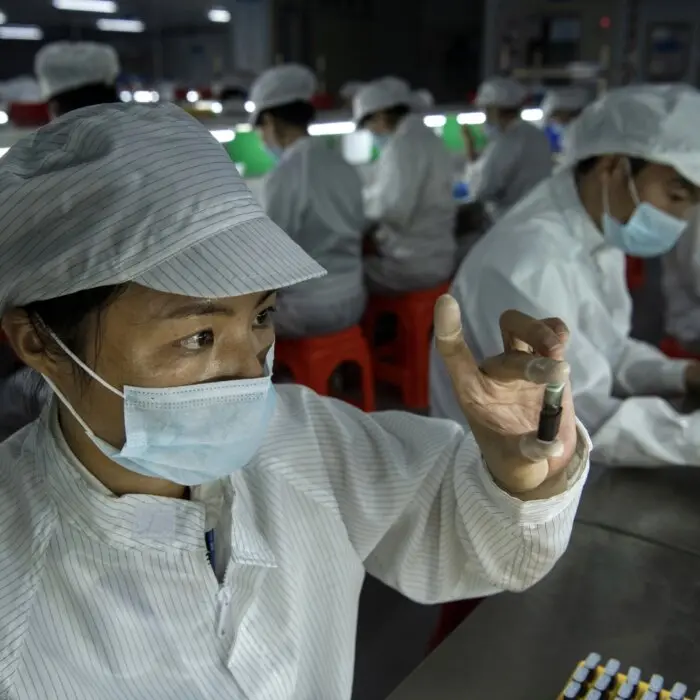
Manufacturers and middlemen in China and Hong Kong supply huge volumes to global wholesalers; many small U.S. retailers purchase these goods through complex shipping routes, which makes enforcement slow and difficult.
What’s Actually in These Vapes—And Why They’re So Toxic
E-liquids and the aerosols found in vapes often contain nicotine, volatile organic compounds, aldehydes (such as formaldehyde), heavy metals (including nickel, lead, and tin), and flavor chemicals such as diacetyl—a chemical linked to severe lung disease.Also, illicit products contain the marijuana compound THC and vitamin E acetate, the latter of which was a primary cause of the 2019 EVALI (e-cigarette, or vaping, product use-associated lung injury) outbreak.
What Vaping Does to Young Lungs and Brains
Adolescent and young adult brains are still developing; nicotine exposure can harm attention, learning, and impulse control, according to the CDC. Inhaling chemicals and ultrafine particles from vape aerosol can inflame and damage lung tissue, impair lung development in teenagers and young adults, and increase susceptibility to respiratory illness.How Many Vaping Deaths and Hospitalizations Have Occurred?
The 2019–2020 EVALI outbreak resulted in about 2,807 reported hospitalizations and 68 confirmed deaths in the United States linked to vaping products (primarily tied to illicit THC products containing vitamin E acetate). While EVALI cases dropped sharply after 2019 because of public health actions, hospitalizations and serious lung injuries from vaping continue to occur and remain a concern.The Scale of the US Vaping Market (and Youth Share)
Regarding the size of the American vaping market, estimates vary, especially across market channels. However, industry trackers estimate that the total U.S. e-cigarette sales are in the multibillion-dollar range. For example, industry authority Circana tracked a roughly $6.8 billion U.S. market in 2024, including authorized products and non-disposable vapes sold in convenience stores.Why Are These Products Still Sold in the US?
There are several reasons:- Regulatory complexity: The Food and Drug Administration requires premarket authorization for e-cigarette products, but the process is slow and historically under-resourced; meanwhile, unauthorized products (especially disposables) flood in through international supply chains and online sales.
- Illicit supply chains: Many flavored disposables and counterfeit products are produced overseas and shipped through intermediaries that confuse ports and customs enforcement. Recent federal task forces and seizures show the scale of the problem.
- Industry resistance and political factors: The e-cigarette and tobacco industries have lobbied against broad flavor bans or rapid restrictions, arguing adult smokers need options and warning of black markets; some state and local governments have been slow or divided on bans.
What’s Being Done Now to Stop the Flow and Protect Kids?
Congressional leaders such as Rep. Raja Krishnamoorthi (D-Ill.) have been vocal opponents of youth vaping, holding hearings and introducing bills to curb flavored products and limit nicotine content.Bottom Line
Cheap, flavored disposable vapes—many produced, packaged, or routed through China—helped fuel a youth vaping spike and continue to pose a public-health risk. The toxicology is clear: Vaping exposes lungs and developing brains to harmful chemicals. Enforcement and regulation are intensifying, but the flow of unauthorized products and the political/economic forces around nicotine products make this a complicated fight.If the goal is to protect kids, the playbook needs all three elements: smarter border enforcement, faster FDA action on unauthorized products, and durable laws or local policies that cut off the demand and supply that target young people.