Although things have picked up from the abysmal economic picture of late last year, the flow of information hardly contradicts the picture of a struggling economy. Indeed, it speaks to how weak China’s economy is that some can see a mediocre showing as a sign of strength.
Three critical measures—retail sales, capital spending, and industrial production—should suffice to put the matter into a realistic perspective.
During the first two months of this year, retail sales rose by 2.8 percent over the same period in 2025. (The National Bureau of Statistics has long measured the first two months of the year as a unit to smooth over the inevitable spending distortions imposed by Lunar New Year celebrations.)
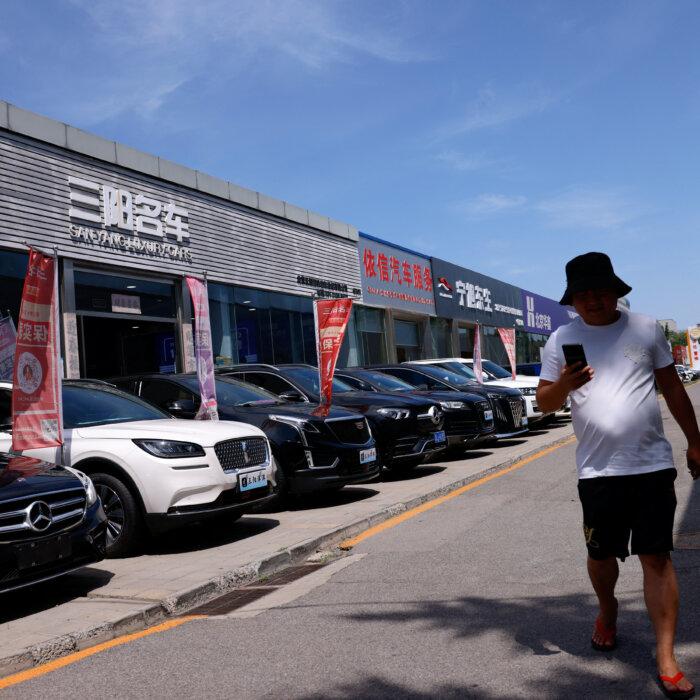
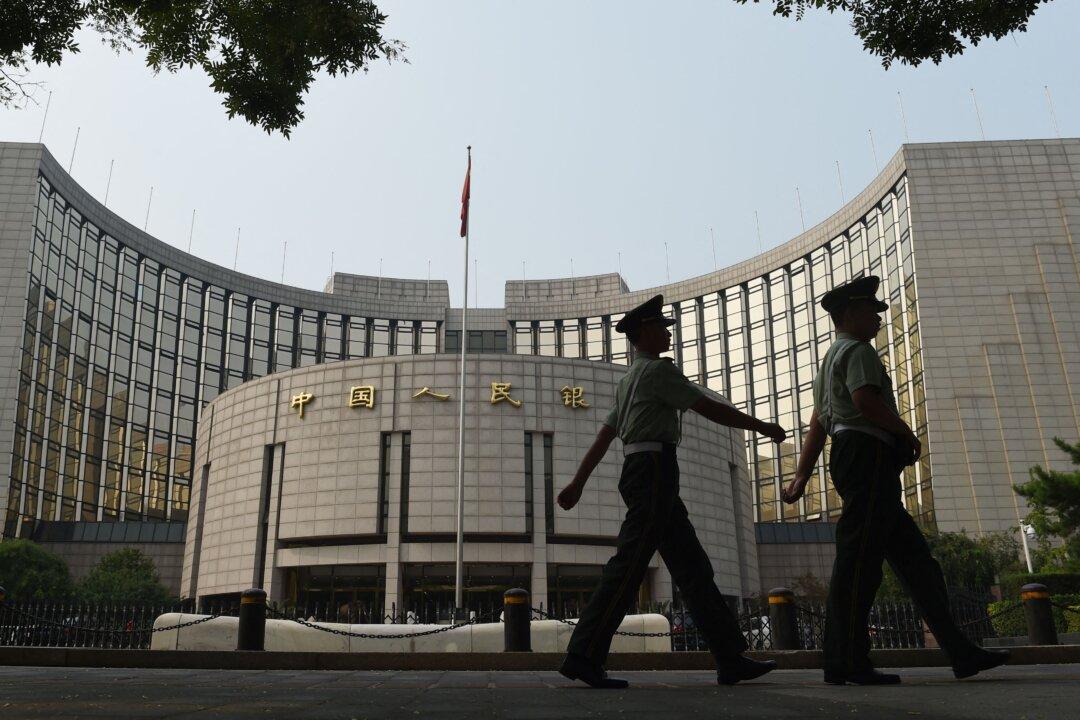
To be sure, this rise is an improvement over the 0.9 percent increase recorded over the 12 months that ended in December 2025, but it still falls very far short of the 4.5 percent overall real growth targeted by Beijing for this year or the 5 percent growth claimed by Beijing for the economy’s growth last year. Such a relatively paltry advance in the consumer sector, although an improvement over late 2025, hardly signals only failure so far in Beijing’s effort to shift the economy’s emphasis toward domestic household demand.
Investment spending on fixed capital in the first two months of this year rose by some 1.8 percent over year-ago levels. This was quite a turn from the 3.8 percent decline recorded for 2025 as a whole, but it is far less than the growth rates averaged in earlier years. And before carrying enthusiasm for the turn too far, a realistic picture requires an additional perspective.
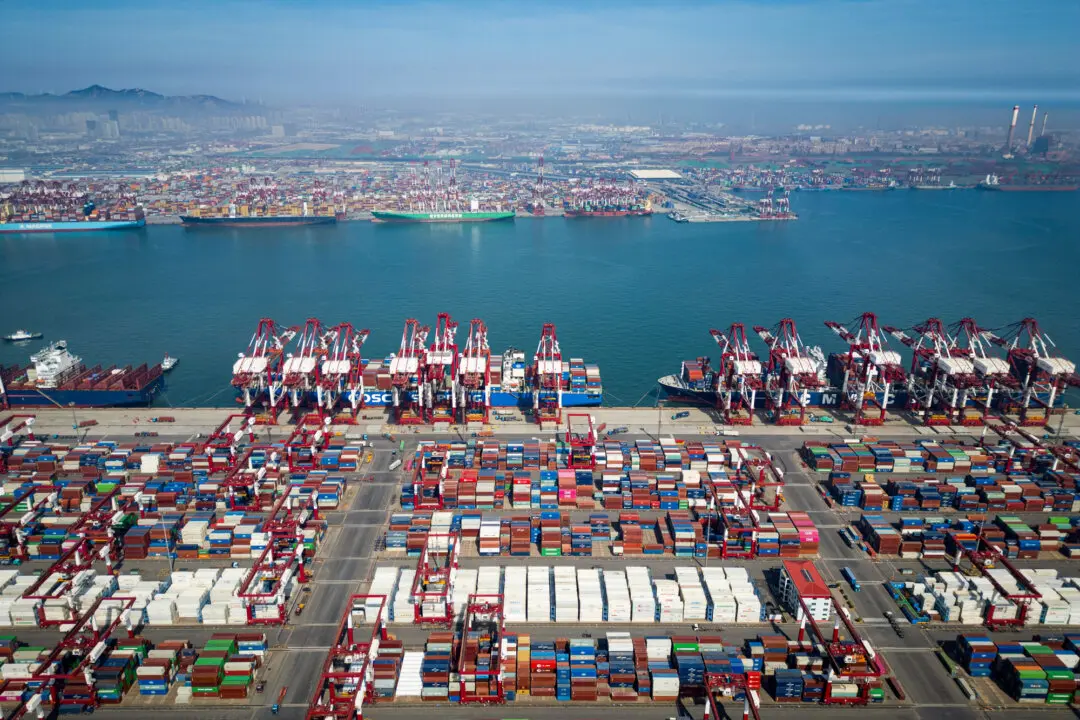
But it is not evident that this area can sustain enough growth going forward to substitute for continued slack in American and European demand, as well as slow growth in the domestic economy. This limit on the growth of Chinese exports in the Global South is especially true, as many of these countries—notably Malaysia, Indonesia, and Mexico—are beginning to take steps to stem the flow of Chinese products. If the export growth cannot be sustained at the recent pace, neither can the expansion in industrial production.
Meanwhile, China’s still important property sector continues to slide. To be sure, residential real estate prices in first-tier cities stabilized in February after nine consecutive months of decline, but that hardly speaks to strength. Even that improvement only occurred in Shanghai and Beijing. Home prices continued the downward slide in Guangzhou and Shenzhen.
Moreover, residential real estate prices in these four major cities fell by some 2.2 percent over the past 12 months. And of the 70 medium and large cities typically polled by Chinese statisticians, residential real estate prices fell in 53 of them.
It perhaps seals the picture of trouble to note that declines in home values are largely responsible for Chinese consumers’ reluctance to spend. Because the value of their home constitutes the bulk of most households’ wealth in China, these declines in real estate values have left vast swaths of the population feeling poorer and eager to save to rebuild their household net worth. This problem lies at the root of Beijing’s biggest headache.
Consumer spending will not respond until the value of Chinese homes begins to rise in earnest, and that cannot happen until Beijing can answer the challenge of the property crisis. These recent figures, although an improvement over late 2025, show no sign that it is happening.