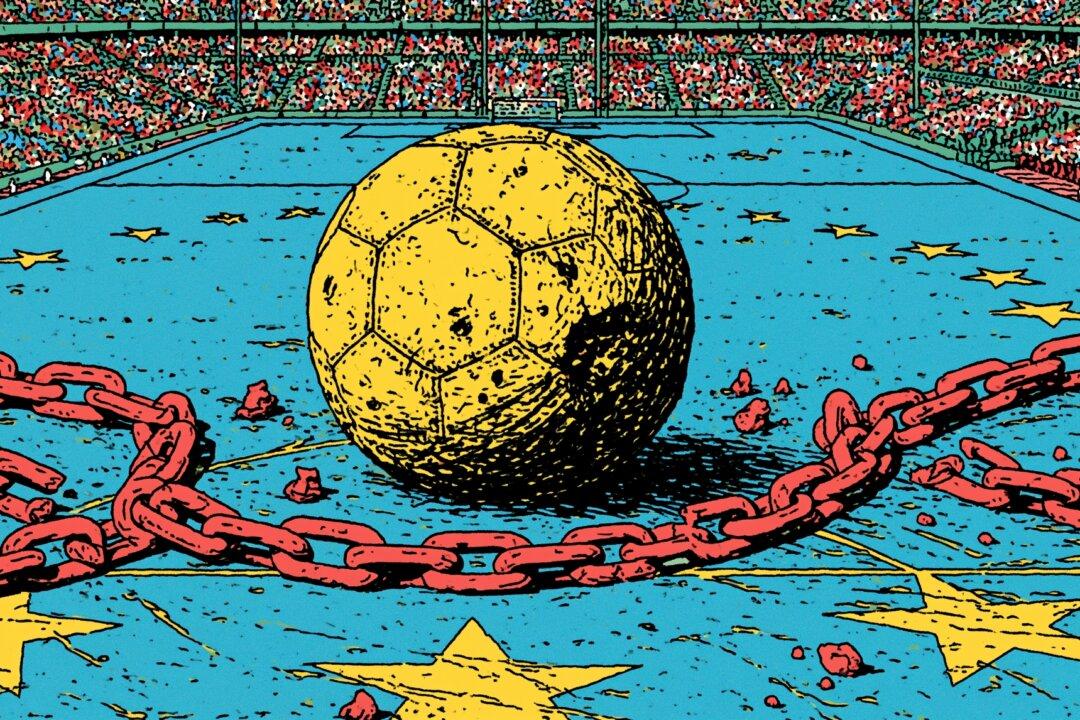
Soon, the European Union is set to vote on the so-called Chat Control legislation. Under the pretext of protecting children from online predators, the privacy of millions of users could be undermined. If it is passed, this means that Brussels will impose its vision on the world, one increasingly detached from liberty.
However, the majority of these figures refer to public pages and servers, with no data establishing a direct correlation between the rise in crime and private messages on encrypted platforms—the kind targeted by Chat Control. While such platforms can be misused to share content, they are not the root of the problem.
Chat Control would rely on client-side scanning: an inspection conducted inside users’ phones before encryption, powered by artificial intelligence algorithms. Every message, image, or file is analyzed on the device itself and compared with databases supplied by authorities. If the system identifies something suspicious, the content is automatically flagged and reported.
This mechanism, however, is prone to errors, and legal content such as family photos of children, journalistic or academic discussions of sensitive topics, or even support group conversations may be flagged as criminal, leaving ordinary citizens vulnerable. Meanwhile, criminal networks could quickly find ways to bypass these systems.
The economic and diplomatic challenges to the UK’s law can be seen as a test of the Big Brother vision represented by client-side scanning. Yet if the European Union proceeds with Chat Control, the situation becomes more complex. Unlike the UK, which companies could realistically abandon (or threaten to, prompting the government to retreat), the EU is far too large to ignore. Companies may instead feel compelled to comply.
The consequences would not be only social, with a threat to freedom of expression, but also political and economic. Implementing client-side scanning systems requires massive costs in software, servers, and compliance teams. Large multinationals can absorb such costs, albeit at the expense of user trust. Startups and emerging companies, however, would struggle when faced with these costs.
In the end, European consumers would be left with fewer choices, more concentration of power in the hands of tech giants, and, ironically, less digital security.
The fight against online crime must be waged through innovation, not against it. That means targeted investigations, stronger international cooperation to take down websites and servers that host harmful content, and the development of voluntary digital safety tools.
Freedom is fragile. Once the door is opened to this kind of control, it is almost impossible to close it again. Chat Control is presented with a noble goal, the protection of children, but beyond all the practical challenges, it carries an even greater risk: expansion. Today it’s about child abuse; tomorrow it may be “hate speech” or any other expression that authorities decide is a crime. Ultimately, it will always be a threat to individual liberty, reinforcing the state’s power to police ideas.
Europe seems ready to become a laboratory of global surveillance.