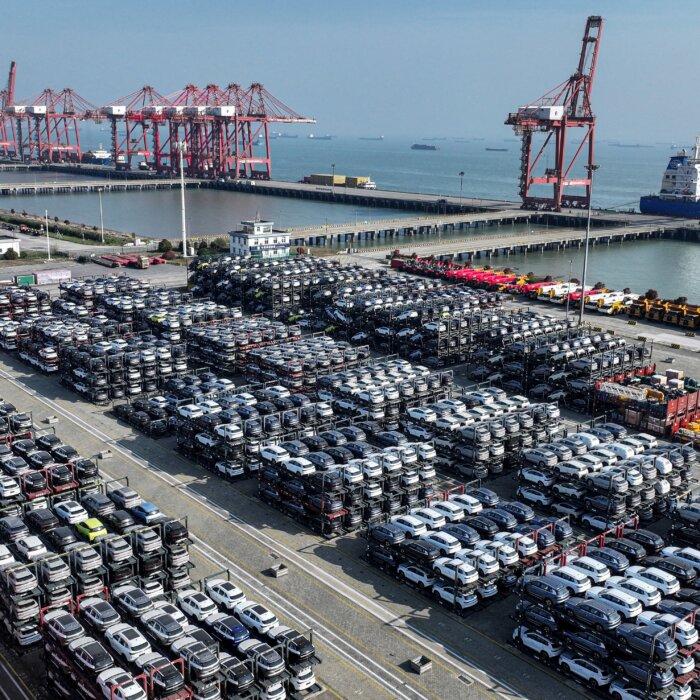
In 2009, in all of our environmental wisdom, we launched a program that came to be known as Cash for Clunkers. That wasn’t the official name, but it is the one most people remember. In just a couple of months, nearly 700,000 cars were traded in under this program, backed by taxpayer subsidies of up to $4,500 per vehicle.
Some of those cars were truly worn out. But many were not. Many were the kind of vehicles that could have kept running for another 20 or even 30 years. They were simple, mechanical, and fixable. They did not require a computer to diagnose or proprietary software to repair. They were the kind of cars a person could work on in her own driveway with a basic set of tools and a little know-how.
That kind of skill set used to matter. It was part of what made families and communities resilient. When something broke, you fixed it. When a tool failed, you repaired it and kept going. That ability was not just about saving money. It was about independence and continuity, especially in moments when timing mattered and outside help was not immediately available.
Yet every single one of those vehicles had to be destroyed. That was not optional. Engines were disabled, often by running them until failure or otherwise rendering them permanently unusable. Perfectly functional cars were turned into scrap. Cars that could have served families, young drivers, or working people for decades were taken off the road in the name of progress.
At the time, the argument was clear. Cleaner cars would mean lower emissions. More efficient engines would reduce fuel consumption. On paper, it looked like a win for the environment. But the logic did not stop with cars.
In states such as California and Texas, similar programs began targeting farm equipment, particularly older diesel tractors. These programs offer farmers financial incentives to replace older machines with newer, cleaner models. On the surface, the deal looks even better than Cash for Clunkers. Turn in your old tractor and receive substantial funding toward a new one.
However, there is a requirement that rarely gets discussed. The tractor being turned in must still be operational. It has to run. And once it is turned in, it is permanently destroyed. Engines are drilled through. Frames are cut. Machines that were still capable of doing real work are taken out of circulation forever.
In their place come newer tractors equipped with advanced electronics, sensors, and software systems that the average farmer cannot repair independently. When these machines break, they often require a dealership technician with specialized tools and access codes.
This is where the real risk begins to show itself.
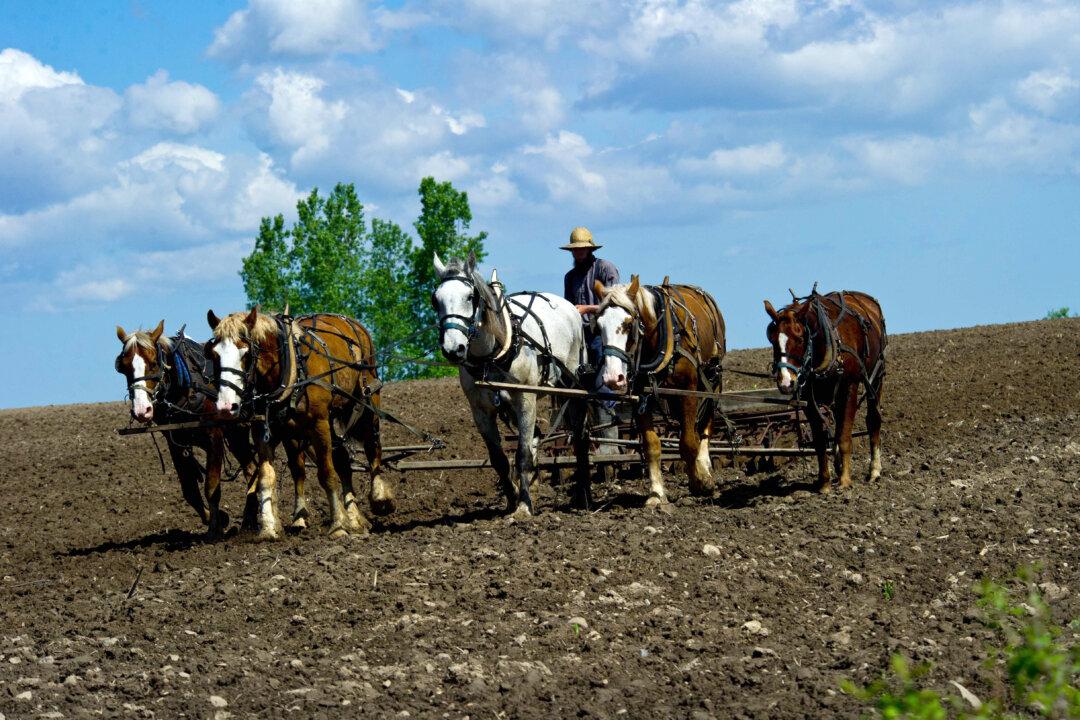
Farming is not flexible when it comes to timing. There are narrow windows in which to plant and narrow windows in which to harvest, and those windows are dictated by weather, not by a service schedule. If a tractor goes down during planting season and a farmer cannot fix it himself, he is at the mercy of the dealership. If that dealership is backed up, if parts are delayed, or if the technician cannot get there in time, the consequences are not theoretical.
Crops can be lost. Income can disappear. A season’s worth of work can be compromised because a machine that should have been fixable is now locked behind systems the farmer does not control.
A mechanical tractor that can be repaired in the field becomes a liability when replaced by a system that requires permission, software, and outside intervention. What was once a problem you could solve with tools becomes a problem you have to wait on.
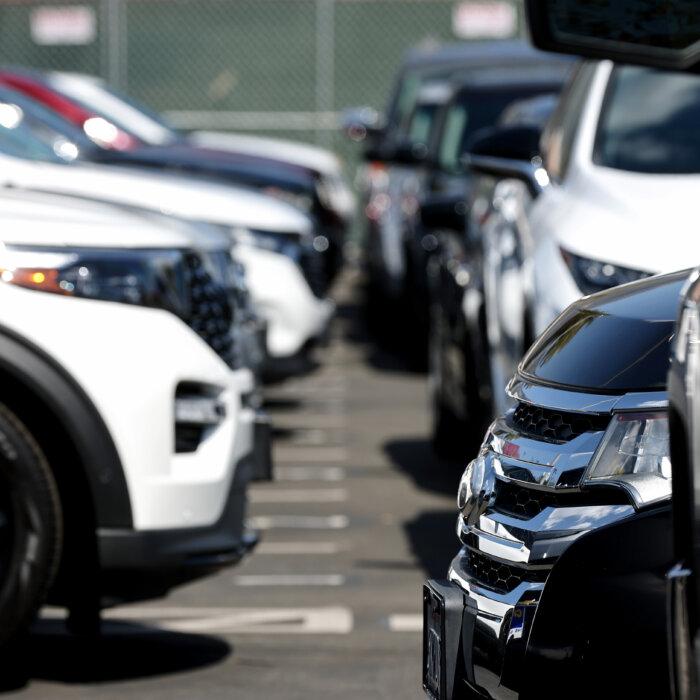
I have personally seen government lots filled with cars from that era, rows of vehicles in surprisingly good condition. It raises a question that is hard to ignore: Why would we destroy so much functional equipment instead of keeping it in circulation, especially for people who rely on affordability and durability?
It also forces us to look at what we mean by resilience. Older vehicles and tractors offered a kind of independence that is becoming increasingly rare. They were not connected to external systems. They were not dependent on software updates or proprietary diagnostics. They could be understood, repaired, and kept running by the people who owned them.
When many people participated in Cash for Clunkers, they did not just upgrade their vehicles. They also took on loans. They traded in something they owned outright for something that required monthly payments and ongoing service. They moved from independence into a system of financial and mechanical reliance.
This pattern is not limited to transportation or agriculture. It is happening with nearly every tool in our lives. On my own ranch, I recently ran into this with an espresso machine. What used to be a simple mechanical adjustment now requires a technician with a proprietary access card. A five-minute fix has turned into a several-hundred-dollar service call.
This is the broader shift we are living through. We are replacing mechanical systems that we can control with digital systems that we depend on. We are trading tools we can fix for tools we must service. We are moving from ownership to permission.
All of this is framed as efficiency and progress. But efficiency is not the same as resilience, and modernization is not the same as independence. A system that works perfectly under ideal conditions but fails completely when those conditions change is not a strong system. It is a fragile one.
Which brings us back to the environmental argument. Did destroying nearly 700,000 cars and an untold number of tractors truly serve the environment? Or did we create massive amounts of waste while accelerating a shift toward systems that are harder to repair and easier to control?
If emissions were truly the concern, there may have been other paths. Retrofitting older equipment, improving fuel systems, or incentivizing maintenance could have preserved functionality while reducing environmental impact. Instead, we chose destruction and replacement.
I believed in the tractor program when I participated in it. In some ways, it did feel like a win. But looking back, I cannot help but question whether it was a win for the farmer, for the consumer, or for the long-term resilience of our systems.
Because resilience is not built on what is newest or most efficient. It is built on what we understand, what we can repair, and the skills we pass down that allow us to keep going when systems fail.