



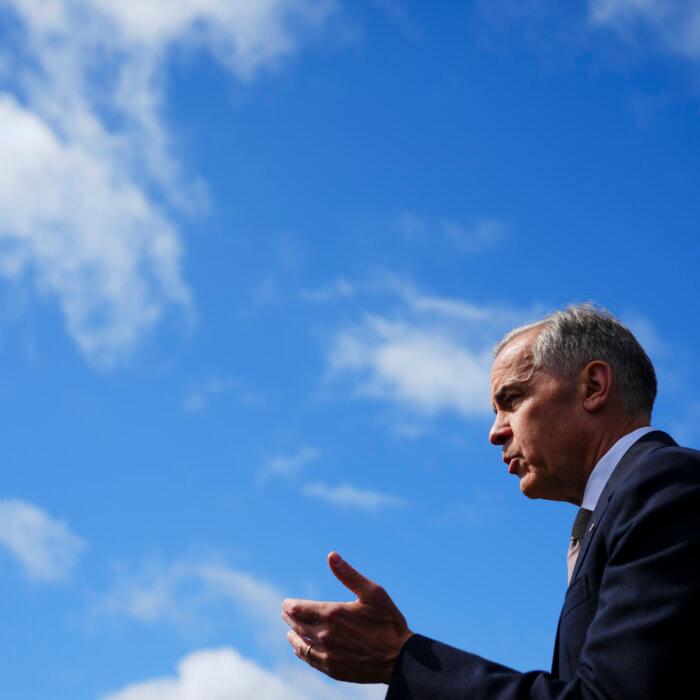
Recently, Prime Minister Carney said, “We’re renovating the country as we go, and Alberta being at the centre of that is essential.” Did he really mean this? If so, is the federal government (and Central Canada) giving the risk of Alberta separation appropriate attention and response? If so, why is the federal government still imposing significant costs on the Canadian energy industry—costs which are making it difficult for the industry to compete with global producers?
Furthermore, why are the primary themes on Alberta separation coming from Central Canada still the following:
1. it is Premier Smith’s problem and fault, fuelled by separatists in her party and her acquiescence to allow possible votes on separation;
2. Alberta businessmen/CEOs are to blame as they haven’t spoken out loudly enough in favour of Alberta staying in Canada; 3) Alberta separation is not constitutional anyway;
3. the two memorandums of understanding (“MOU”) on the West Coast pipeline have solved all problems; and,

What’s Driving Alberta Separation Feelings Anyway?
It is a combination of factors. Lead among them is the sense that Canada is slowly restricting our freedoms to speak, act, pursue our chosen religious faith, and conduct business without undue government intervention. Additionally, the federal government still doesn’t understand or fully support the oil and gas industry which is critical to the economic success of Alberta and Canada. It has placed its prime focus on the shiny pony of a pipeline to the West Coast. Yet, the real issue has been, and still is, the cost competitiveness of the oil industry’s production.Would Separation Hurt Alberta or Not?
Many experts argue that separation by Alberta would be devastating for the province, potentially costing tens of billions of dollars, and with hundreds of thousands of residents leaving. Of course, Alberta would be land-locked, it would be relatively small in size and importance, and would spend much effort in negotiating the ultimate separation.However, there are many benefits that might accrue to a separated Alberta. These could possibly include:
1. the ability to substantially deregulate;
2. ability to revamp sub-optimal health-care systems without the effective restrictions imposed by the federal government;
3. ability for reduced taxes;
4. ability to avoid the commercial restrictions and costs that have evolved related to the Canadian judicial system and indigenous peoples;
5. ability to fully exploit its natural resources, and the ability to better reverse those policies and practices that restrict our freedoms in favour of ever-increasing government influence and control.
Would these changes be possible? Given that most of Alberta’s exports go south to the United States and that Alberta is the most entrepreneurial province, it is likely that they would be possible. Would these changes attract more capital and talent than that which might flee a separate province? I think so.
What Would the Impact Be on Canada?
Few have addressed this question. Privately, a prominent journalist executive answered it for me very succinctly: “Canada would crumble.” According to Visual Capitalist, Canada has an estimated US$33 trillion of resources (and the second-most per capita behind only Saudi Arabia), but a disproportionate amount of these resources (think oil/gas/potash/uranium/key minerals) are concentrated in Alberta and Saskatchewan. The economics, GDP prospects, and balance sheet of a Canada without Alberta would be much weaker.What Should Be Done to Keep Alberta in Canada?
First, recognize that this is a serious issue and stop blaming Albertans. Acknowledge that Central Canada has mistreated the West, and it is time to fix policies and treat Alberta and its Western neighbours as equal partners in Canada, rather than as convenient servants and sources of funding. This means reducing regulation and getting government out of the West’s free market industries, especially the oil and gas industry. That includes dropping the “net zero” philosophy that has created many of the issues.Second, give the provinces more flexibility to manage their natural resources and health-care strategies. Third, act to regain efficiency in the services provided by the federal government and improve the country’s fiscal and tax regimes to facilitate attracting more capital to Canada. Fourth, substantially reduce all regulations/costs and act to minimize the commercial restrictions and costs that emanate from the indigenous communities, the judicial system and certain provinces.
Finally, and perhaps most importantly, stop restricting individual freedoms and cede government influence and power to the people where possible and appropriate. With some attention, respect, and good policy change at the federal level, Albertans will choose to remain in Canada.
Can our governments do this? I hope so, as our country depends on it.
