We’re in the middle of a new kind of arms race—not for weapons, but for thinking machines.
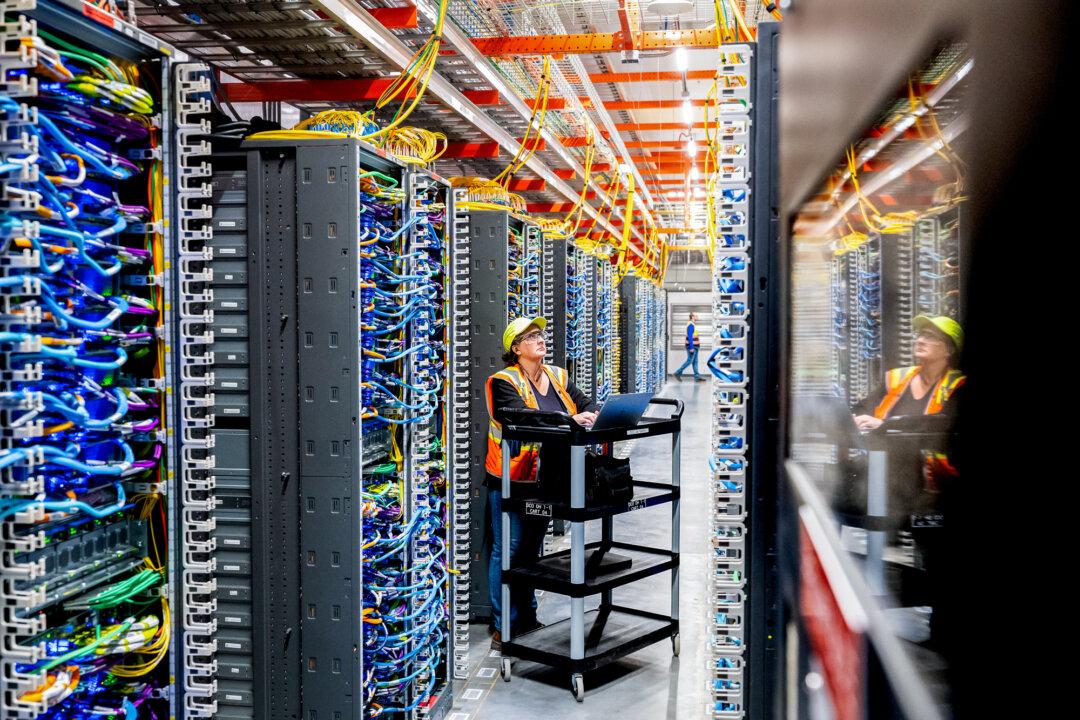
Tech giants are pouring billions of dollars into artificial intelligence (AI) infrastructure, turning open land into power-hungry fortresses of computation.
It’s no longer a tech race. It’s a global escalation—a sprint to create machines that can outthink, outlearn, and outlast us. I’m not downplaying the benefits of AI technologies or saying AI is inherently bad, but the scale of this investment isn’t just seeking benevolent progress. A greater goal of intellectual dominance is at play, and to maintain it, these companies are quietly laying claim to future power, literally.

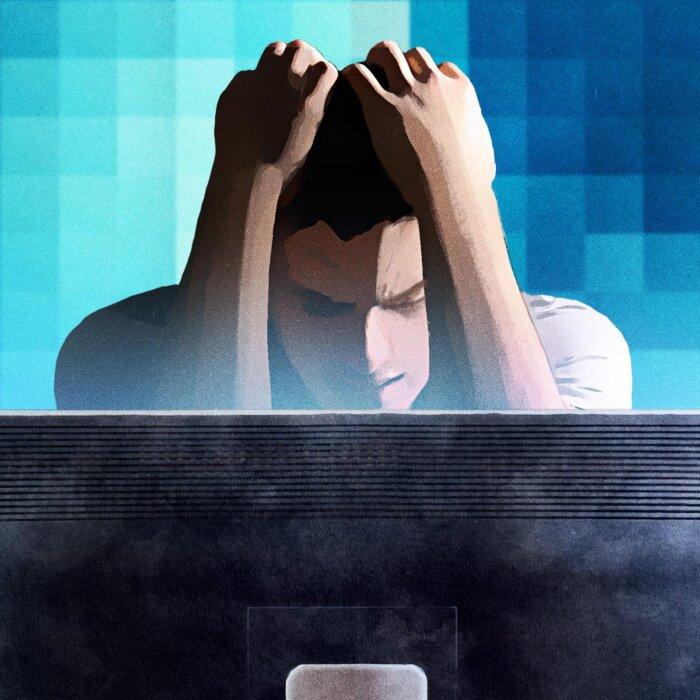
Yet amid this frenzy to build smarter machines, we’re overlooking a staggering fact: The machines we’re building still can’t perform the everyday feats our brains carry out automatically every second, such as forming original thoughts, adapting to new situations, regulating emotion, or creating meaning. And no one seems to even consider the fact that a human brain does all that using less power than that of a dim light bulb.
Inside your skull is a living supercomputer with a staggering 86 billion neurons, forming more than 100 trillion synaptic connections. To put that in perspective, one human brain contains more circuits than all the technology on the planet combined, yet it runs on about 20 watts of energy—less power than your laptop charger. The human brain simultaneously regulates emotion, memory, movement, morality, language, and attention. It dreams, improvises, adapts—even when damaged. It doesn’t just compute, it creates.
There has certainly been, and continues to be, incredible progress within the scientific community. Yet the truth remains that the human brain is still, in the words of neuroscientist David Eagleman, “the most complex device we’ve found in the universe.”
Neuroscience has mapped broad functions and observed firing patterns in the brain, yet we still don’t know how thoughts form. We still can’t see them. We don’t know how consciousness arises. We don’t know why trauma rewires some brains and not others. We don’t know how genius, compassion, or insight emerge in a physical sense.
So if the smartest engineers on the planet still don’t understand the device inside their own heads, what exactly are we trying to replicate?
AI doesn’t feel wonder. It doesn’t experience joy. It doesn’t understand the meaning of the words it generates. It simply finds the next most likely sequence and mimics the patterns of human intelligence without possessing it. And yet, increasingly, we teach children and adults that computers are smarter than they are.
Despite the overwhelming evidence from scientific discovery across all fields over recent decades, the full power and adaptability of the human mind are still not widely taught. So few people know that the body replaces 330 billion cells per day, that emotional states change gene expression, and that belief alone can shift biology. Schools don’t hesitate to emphasize the limits of human attention, yet they don’t teach the unlimited capacity for focused mental flow. And in the media, headlines promote fear of AI surpassing us, yet rarely celebrate the phenomenal thing that is creating it.
Some powerful players benefit from us believing that we are second to our machines, but that’s a topic for another article. For now, let’s pause and remember: You and your brain are not obsolete. You are yet to be discovered. And despite the hundreds of billions of dollars in funding being thrown into silicon, quantum chips, and neural nets, the greatest frontier in intelligence may still be the 3-pound mystery sitting inside your skull. The same mystery that built every machine we’ve ever made. The same one that doesn’t know its limits.