We’ve built a food system that depends on labels. Grass-fed. Organic. Natural. USDA inspected. We are taught to believe that somewhere between those words and those stamps is the truth about what we are buying.
But the deeper I go into raising animals and feeding people, the more I see that some of the most important qualities in our food are the hardest to measure, the hardest to regulate, and the least likely to ever fit neatly inside a label.
There is a growing body of research looking at what actually makes beef healthy. Not just whether it is grass-fed or grain-fed, but something far more specific: what plants that animal ate, how many different species it ate, and what was happening in the soil beneath those plants.
One of the most important papers in this space is titled “Measuring the Phytochemical Richness of Meat.” Researchers compared beef from different production systems and found that cattle raised on more diverse pastures produced meat with a wider array of phytochemicals, including compounds linked to antioxidant and anti-inflammatory activity. These are not nutrients we typically associate with meat, yet they were directly influenced by what the animals grazed.
Another paper, “Health-Promoting Phytonutrients Are Higher in Grass-Fed Meat and Milk,” found that forage-based diets, especially those with a wide variety of plant species, led to higher levels of beneficial fatty acids, fat-soluble vitamins, and plant-derived compounds carried through the animal into the final food.
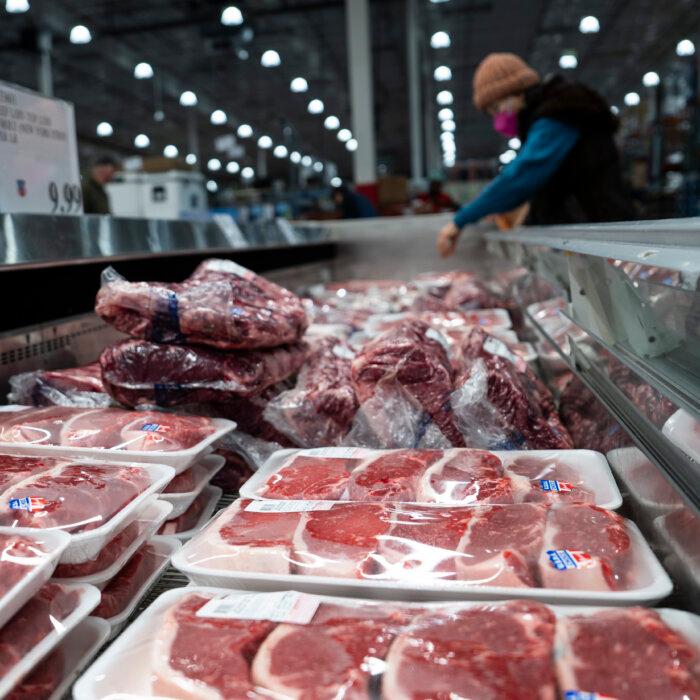
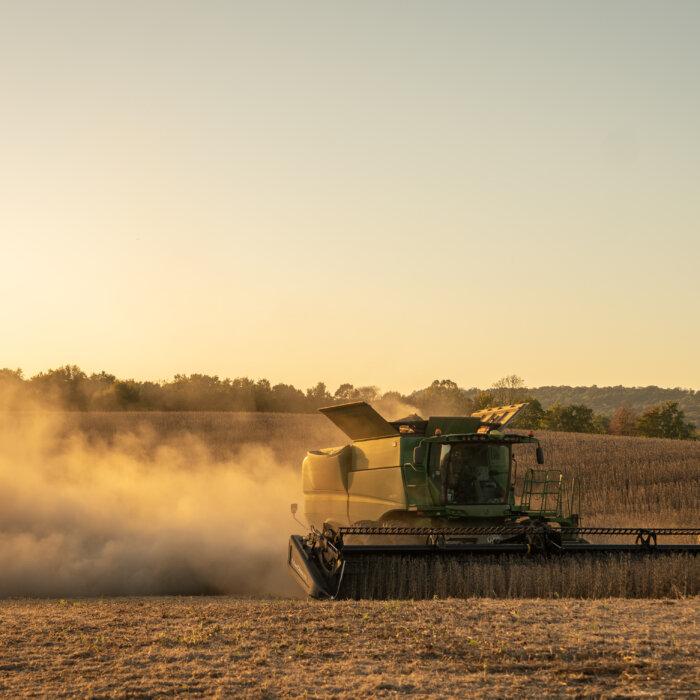
Taken together, these findings point to something simple but profound. The diversity of plants in a cow’s diet appears to directly influence the nutritional complexity of the meat. When cattle graze on a wide variety of grasses, forbs, legumes, and shrubs, they consume a broad spectrum of plant compounds. Those compounds move through the animal and show up in the meat and fat.
In other words, beef is not just protein. It is a reflection of a landscape.
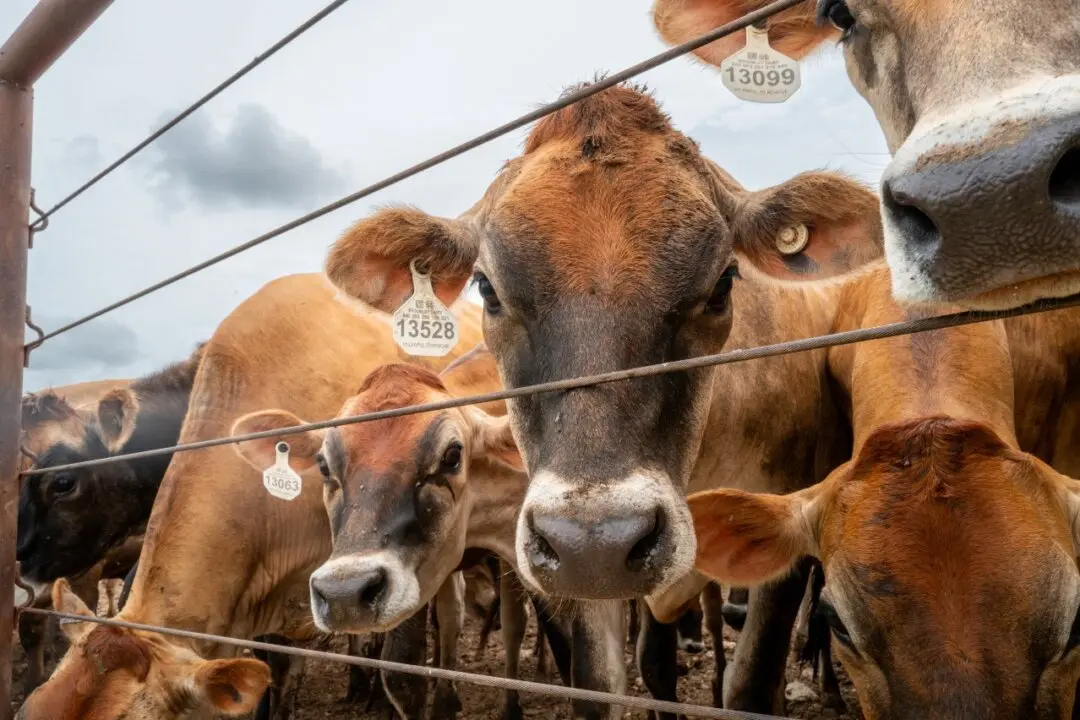
This challenges the simplicity of the labels we rely on. “Grass-fed” sounds clear, but it is not. Almost all beef is grass-fed at some point in its life. The real question is what kind of grass a cow grazes on, how many different plants it grazes on, and under what conditions it grazes.
A cow grazing a monoculture pasture of a single grass species is living a very different life from a cow moving through a diverse pasture filled with dozens of plants. Both may qualify for the same label. The nutritional outcome is not the same.
Even within fully grass-finished systems, there is enormous variation. Soil health, rainfall, management practices, and plant diversity all shape what that animal consumes. In many parts of the world, and even in parts of this country, finishing cattle entirely on pasture is not always possible because of climate and seasonal limitations. Yet that does not automatically determine the quality of the beef.
What matters, more than we have been willing to admit, is context.
We are trying to force a complex biological system into a regulatory framework that depends on binary categories. Yes or no. Grass-fed or not. Organic or not. But life does not operate in binaries, and neither does food.
The more we learn, the more it becomes clear that the healthiest food does not come from a standardized system. It comes from a relationship.
If the diversity of a pasture matters, then the question becomes who is managing that pasture. If the health of the soil matters, then we have to ask how that land is being stewarded. If the animal’s diet shapes the quality of the meat, then we have to understand what that animal actually ate, not just what a label allows it to be called.
There is no seal that can fully capture that.
This is where the conversation shifts from regulation to community, from certification to trust.
Knowing your farmer is not a romantic idea. It is a practical response to a system that cannot measure what matters most. It means asking questions. It means visiting the land if you can. It means understanding the realities of a region, including weather, drought, and the limits of pasture.
It also means accepting that there is not one perfect system that works everywhere. A rancher in Texas is working with different constraints from a rancher in the Midwest or the Northeast. What matters is not perfection by a national standard, but integrity within a local context.
When we rely solely on labels, we outsource our judgment. We assume that someone else has defined quality for us. But the more nuanced the science becomes, the more obvious it is that quality cannot be reduced to a checklist.
It has to be understood, and understanding takes relationship.
This is why community-supported agriculture, direct-to-consumer sales, and local food networks matter so much. Not just because they keep dollars closer to home, but because they restore the flow of information between the person raising the food and the person eating it.
In that relationship, you can ask what the cows are grazing. You can learn about the pasture. You can understand how the land is managed through the seasons. You can see, in a way no label can show you, whether diversity is present or absent.
That is where trust is built.
We are not going to solve this by creating more labels. We are not going to regulate our way into nutrient-dense food. The system is too large, and the variables are too complex.
But we can rebuild something smaller and more resilient.
We can choose to know the people who feed us. We can choose to ask better questions. We can choose to support the kind of farming that values diversity, not just in plants, but in relationships.
Because in the end, the health of our food is not just about what is in it. It is about where it comes from, how it was raised, and whether we are connected to that process or completely removed from it.
No stamp can replace that.