



Eric Trump said we need to train workers in modern skills if we are going to compete with global manufacturing hubs such as China. He is right: I work with a team of people who concentrate on encouraging foreign companies to relocate their factories to the United States. The companies are interested in avoiding tariffs, and they like the business climate fostered by Donald Trump, but they are concerned about the level of skills in the U.S. workforce. Manufacturing is much more automated now than it was in the glory days of Henry Kaiser and Henry Ford or even Lee Iacocca.
The good news is that the United States can reclaim its industrial strength by training its workforce to excel in advanced manufacturing. But to achieve this, we must go beyond general skills and embrace targeted, accessible training in Industry 4.0 technologies.

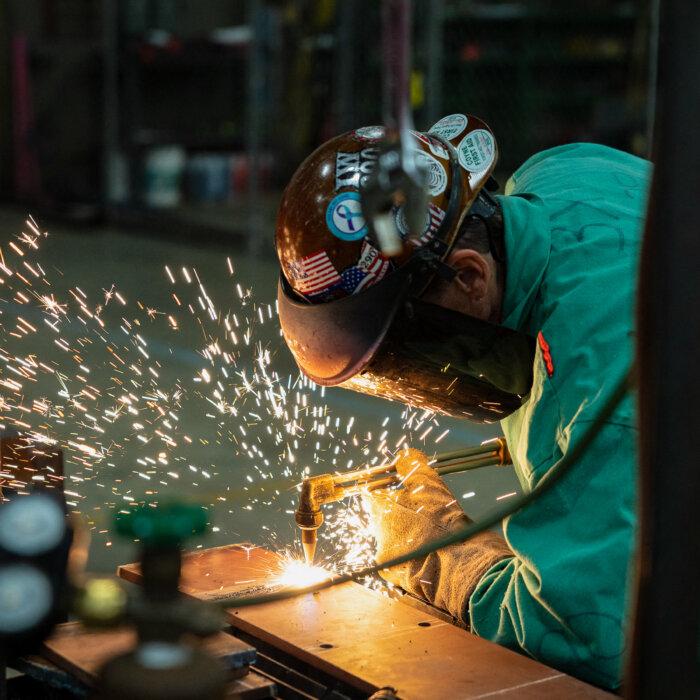
Eric Trump mentioned Ford’s F-150 plants, which produce a new truck every 57 seconds. That is only possible with programmable logic controller programming and robotics to automate production lines. Similarly, Internet of Things and data analytics enable real-time decision-making, reducing waste and boosting competitiveness. These skills are gateways to high-wage careers that can rebuild communities hollowed out by decades of offshoring. They are needed now, and they do not require college degrees.
U.S. factories need a holistic training approach centered on short, intensive courses lasting three to six months. We need platforms that offer self-paced, online learning with interactive simulations and industry-recognized certifications. We need programs that teach exactly the skills needed, making training accessible to young people and career changers alike. Unlike lengthy degree programs, we need focused courses that allow rapid entry into the workforce by integrating virtual labs and practical exercises. That short lead time makes manufacturing jobs appealing and attainable.
Only this approach will enable the Trump administration’s reshoring efforts. Policies such as tariffs and tax incentives can bring factories back, but without a skilled workforce, those efforts will falter. Short-term training programs can scale quickly, addressing the labor shortage while appealing to a generation seeking meaningful, well-paid careers. These skills align with the technological demands of the manufacturing, aerospace, automotive, pharmaceuticals, chemical engineering, and semiconductor industries, ensuring U.S. dominance in a global market.
States with visionary governors and legislatures will lead the way by partnering with training platforms to integrate these courses into workforce programs, ensuring that local employees are ready for industries such as the aerospace industry and the medical devices sector. Cities and counties that join the effort will revive their economies and restore their traditional ways of life.
Donald Trump’s “reshoring” agenda presents the United States with a great opportunity. We can outcompete the world in manufacturing, but only with a workforce trained for the future. By embracing targeted, short-term training in Industry 4.0 skills, we can empower young Americans to rebuild our industrial heartland. Let’s invest in platforms to deliver these skills, ensuring that our workers, our communities, and our nation thrive in the global economy.
