Although it’s not quite as rare as a lightning bolt, to parents receiving the news that their child has Down syndrome, it can feel like one, searing through expectations and dreams.
About 6,000 of the 3.6 million babies born in the United States each year are diagnosed with the genetic disorder.
What happens when lightning strikes not once, not twice, but over and over? That’s what happened to one family that sees Down syndrome not as a curse but as a gift to be celebrated.
‘I Knew the Secret’
Peter and Andrew Daub still tear up when they think of their younger brother Paul—the first lightning strike in their big Catholic family.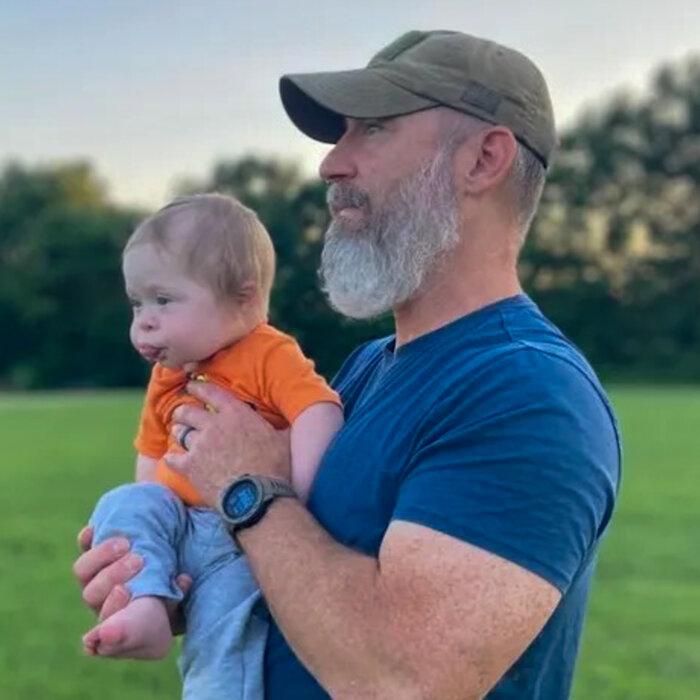

Paul, Mary Ann and Frank Daub’s eighth child, lived just six months before a heart defect took his life, but that was long enough for him to capture hearts. Paul’s siblings remember the beauty of their short time with him: holding him, helping feed him, applauding his tentative smiles.
So when Peter and his wife, Erin, found out that Rose, their third child, had Down syndrome, the memory of Paul was sobering.
“I knew the issues that Paul had, and that scared me a little,” Peter said.
“On the other hand, I saw throughout my childhood how special people with Down syndrome were. They were always happy, and I saw how much they loved and were loved. I didn’t fear raising a child with [Down syndrome].”
His mom was supportive. There would be hard things, she told Peter and Erin, but the good would definitely outweigh the bad.
Rose was 6 years old when Andrew and Cathy Daub got the news that their eighth child had Down syndrome.
“I knew the secret,” she said, because of Rose and Paul.
‘What a Gift’
One might think that this story ends there, but it doesn’t.Just four days before Will’s birth, Meg Giovannini, Andrew and Peter’s first cousin, got the news during a busy morning at work: “Your baby has an 84 percent chance of having Trisomy 21.”
“There was never a doubt I wanted this baby,” Meg said, but she said she grieved.
“I had plans for him or her,” she said. “And suddenly those plans and that life no longer felt possible.”
The tears fell, until she told a friend about the diagnosis.
“His face lit up and he said, ‘What a gift,’” she recalled.
“That was it for me. So many more tears, but looking back, I think that was the first time they were tears of joy. And I think that was really when I stopped grieving and started planning again for the gift we were being given.”
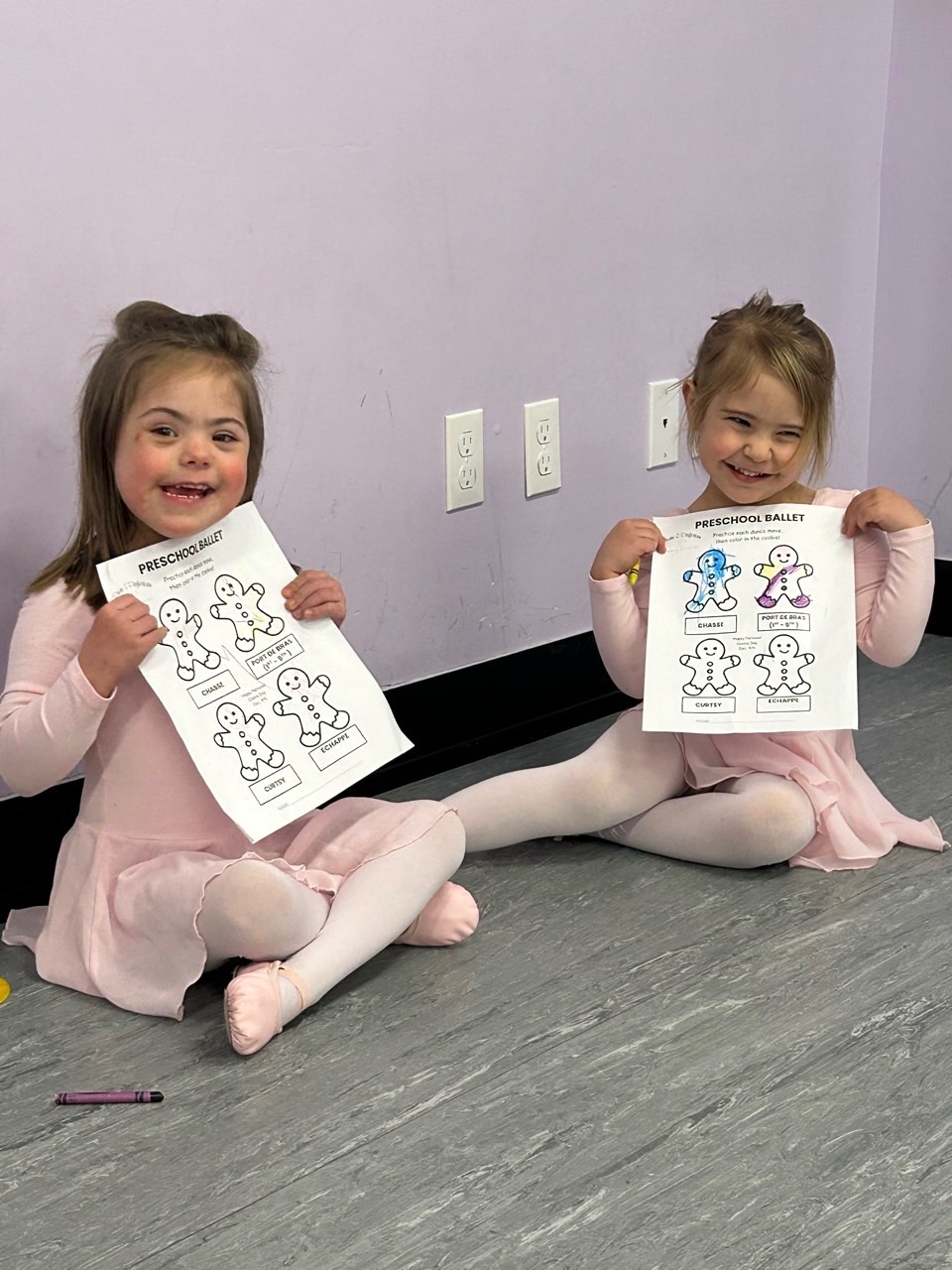
At the time, two states away from her cousins in Missouri, Meg didn’t really think about the fact that “others in the family ... were also on this journey.” Today, Eden is a bouncy, dark-haired 5-year-old who loves ballet. And her mom said she’s grateful for their unique family because “hopefully she won’t ever have to feel alone.”
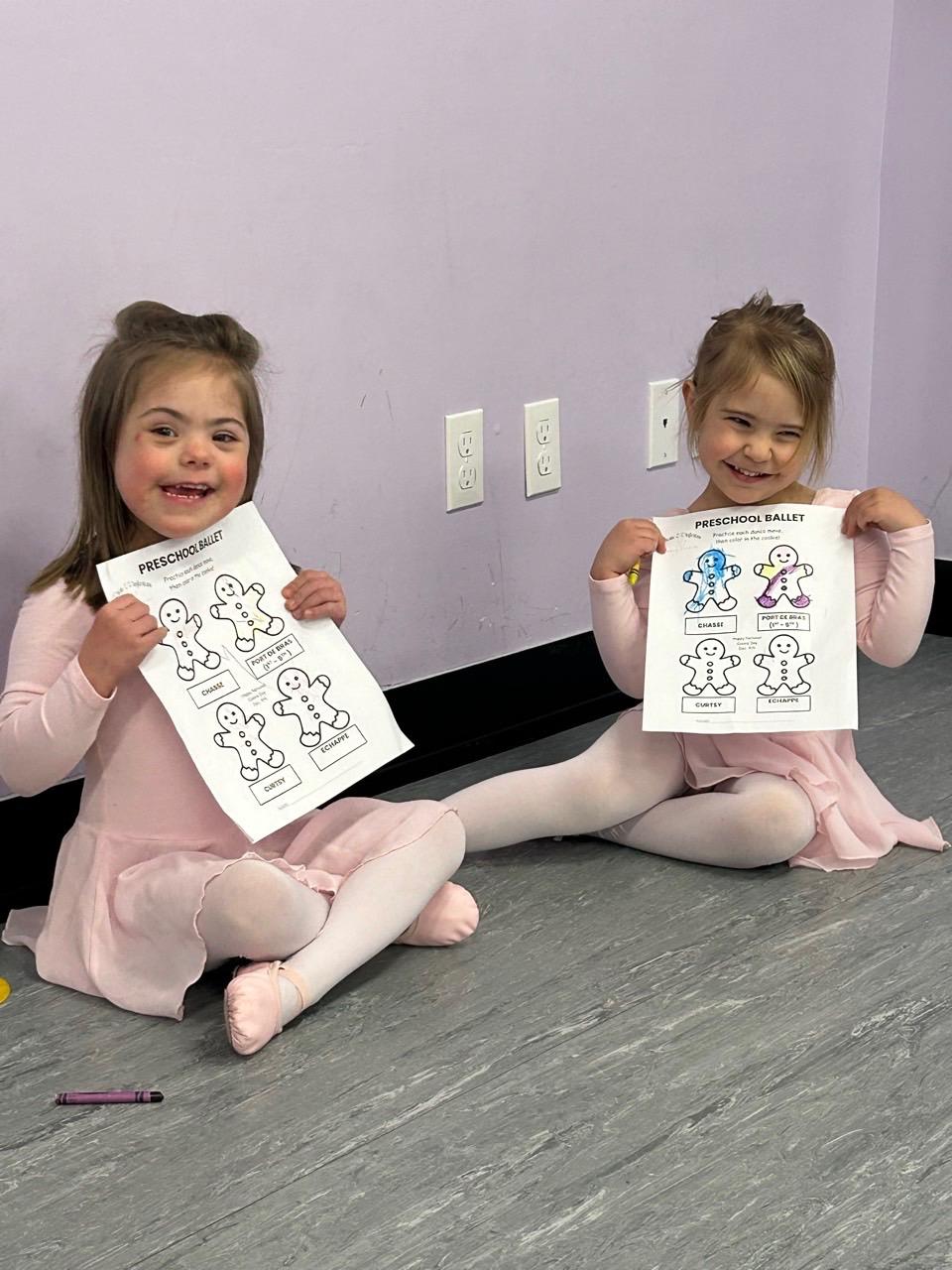
- Siblings Eden and Nina Giovannini. (Meg Giovannini)
The rare circumstance makes this family uniquely qualified to talk about Down syndrome.
Unconditional Love
And the gift far outweighs the challenges, they say.The biggest blessing of raising a child with Down syndrome, Peter says without hesitation, is unconditional love.
The list grows as the parents enumerate how their children enrich the lives around them: authenticity, compassion, contagious joy, a huge capacity to love and be loved.
“I would also say the effect our kids have on others,” Erin said.
At a recent mother-daughter dance, she said, Rose “danced with every mom and kid there.”
“And every single one of them took her outstretched hand without a thought and danced their hearts out right along with her,” Erin said.
For Frank Daub, the gift goes back to that first yes. In Paul’s short life, Frank said, he taught his other children compassion “without ever having the opportunity to communicate with them.”
“I am incredibly certain of this: Their ability to love and treasure a person with serious disabilities grew with them as they became adults,” he said.
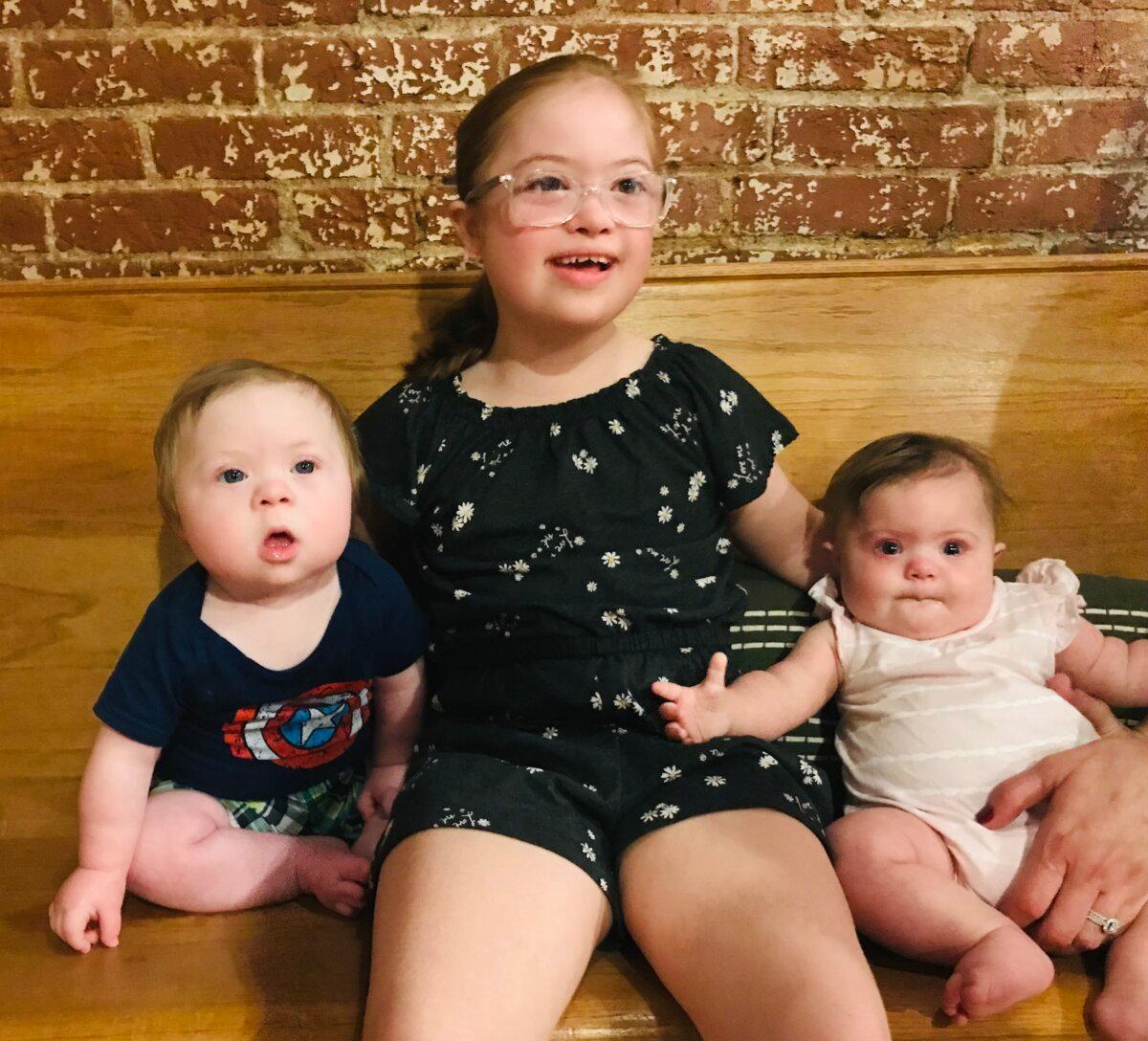
- Cousins Will and Rose Daub and Eden Giovannini, circa 2021. (Erin Daub)
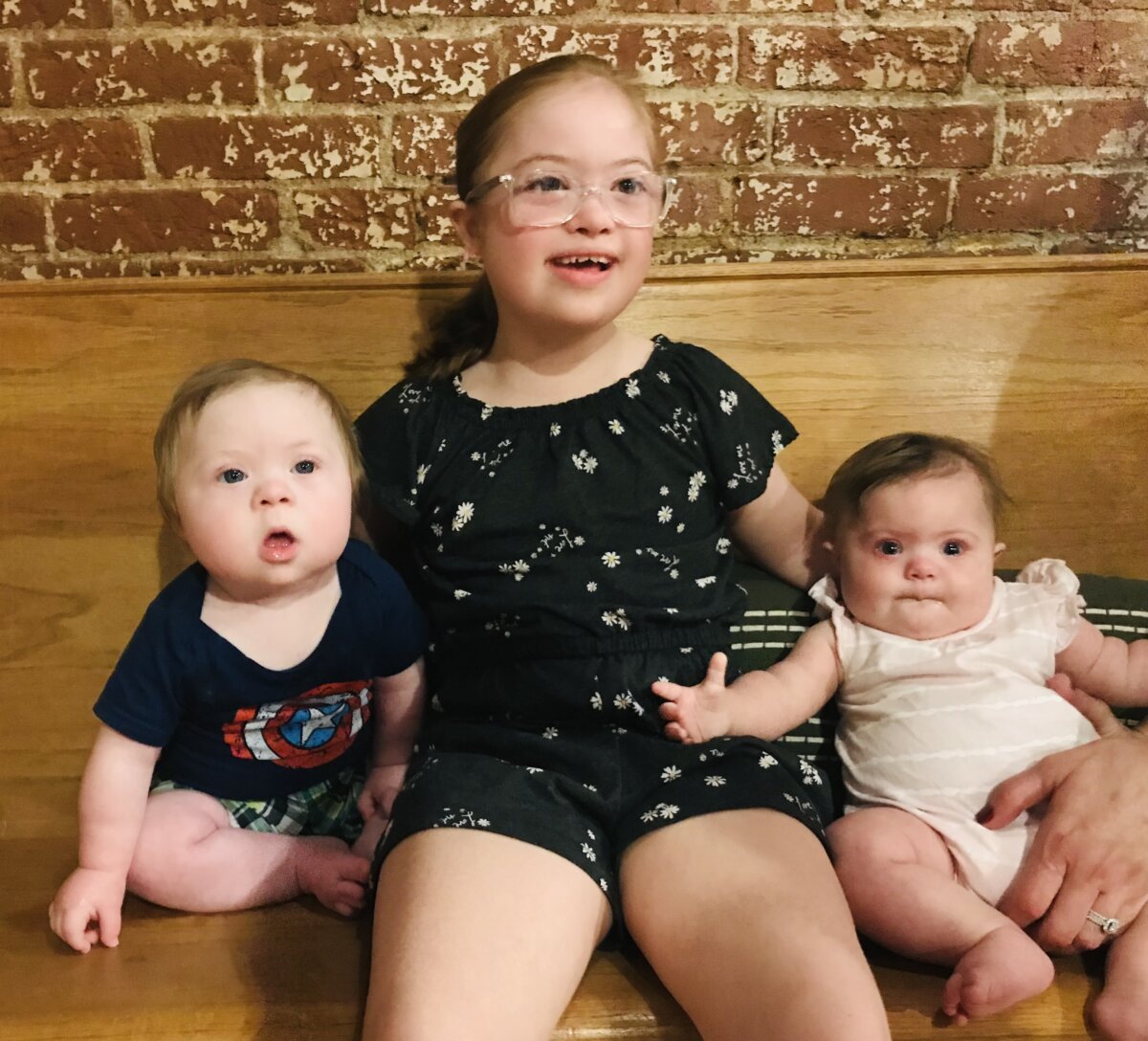
“We immediately understood—at a personal level—how much work remains in helping the rest of the world understand the blessing,” Andrew said.
“We realized we had to advocate relentlessly and share a message of hope to give people with [Down syndrome] a chance to be fully seen and heard.”
Experiencing Down syndrome through two generations is less like lightning and more like “having the rarest flowers bloom unexpectedly and repeatedly” in rich soil.
The next generation knows they, too, may hear the words “Your child has Down syndrome.” If that happens, they’ll be ready. They’ll know the secret, just as Andrew and Cathy did when they got Will’s diagnosis.
“I knew the magic that was about to enter our lives,” Cathy said.