



The U.S. Department of Veterans Affairs (VA) plays a critical role in delivering health care benefits and ensuring access to high-quality, affordable care for the United States’ 18 million living veterans. However, the struggles of military service extend far beyond the battlefield. Our veterans carry their wounds, both seen and unseen, throughout their lives. They deserve nothing less than the best health care available anywhere.
It’s the VA’s duty to honor their service, bind up their wounds, and care for those who have served, along with their families and caregivers. As a combat veteran myself, I know the profound impact VA services can have in improving the health and well-being of former service members. As a former VA secretary, I believe there are ways to enhance the quality of VA health care while also saving taxpayers money.
The current administration has shown remarkable energy in identifying opportunities to streamline the federal government and its operations. Identifying cost savings is important, but it is equally important to make government work better for all Americans, especially those who have served and sacrificed in defense of our freedom. The VA’s current secretary is determined to improve veterans’ health care needs by updating policies and addressing inefficiencies that hinder the VA’s ability to maximize resources and expand services. Here are three areas to consider:
First, the current practice of double paying for some veterans’ health care is simply unsustainable. About 1.3 million veterans who have VA health care coverage are also currently enrolled in a Medicare Advantage plan. The government pays Medicare Advantage insurers a fixed monthly amount based on the average cost of providing care to average beneficiaries. However, that payment does not factor in that some of those veteran beneficiaries obtain at least some, and in many cases all, of their care from the VA.
Pre-paying Medicare Advantage insurers for care that the VA uses the department’s budget allocation to provide is not an efficient way to spend taxpayer dollars. We should end this practice and require Medicare Advantage plans to directly reimburse the VA for the care its facilities deliver. Doing so will save billions of dollars, which can then be reinvested in enhancing veteran services.

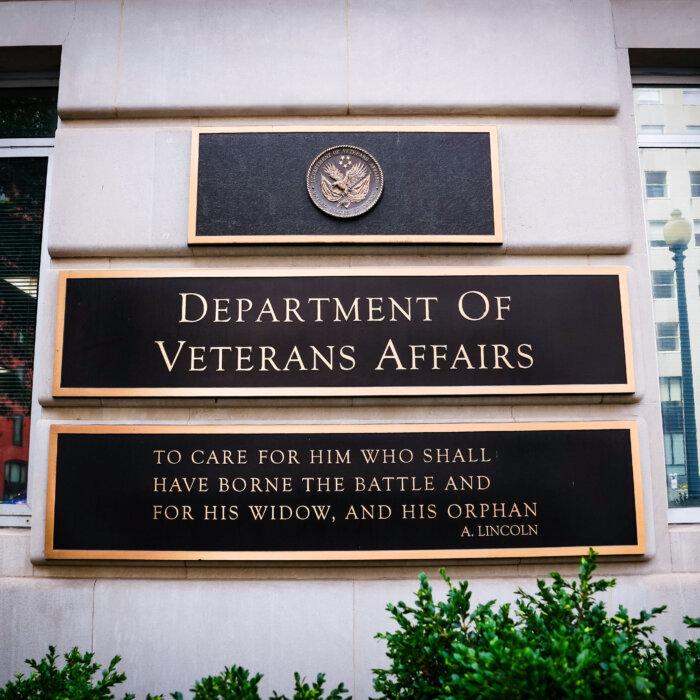
Second, while the VA provides high-quality care to its patients, particularly in specialized areas such as service-connected injuries and mental health, the department’s infrastructure needs to be modernized. Much of the system was built in the immediate aftermath of World War II, at a time when patient care was synonymous with inpatient care. The VA is no longer a hospital-centric organization: The department’s health care offerings have been significantly decentralized. Today, the VA maintains 172 hospitals throughout the nation and nearly 1,200 additional sites where outpatient care is provided.
Maintaining outdated facilities drains resources that could be better used to advance veteran care. Congress should authorize a VA asset infrastructure review panel, modeled after the Department of Defense (DOD) Base Realignment and Closure Commission I chaired in 2005. This panel would identify and recommend necessary changes to the VA’s infrastructure, allowing the department to invest in 21st-century health care technologies and facilities and ensuring veterans receive the most advanced and effective treatments possible.
Third, at a time when there is concern in Congress and elsewhere over pharmaceutical costs, the VA’s pharmaceutical benefits management program is the gold standard in every aspect of this area. One area in which the VA can realize additional significant savings, however, is with brand-name drugs. Together, the VA and DOD spend more than $15 billion each year on pharmaceuticals. Like all aspects of health care delivery, the cost of prescription drugs gets higher each year. If we don’t act soon, $15 billion in 2025 will increase substantially over the next 10 years.
Congress wisely addressed the importance of veterans’ pharmaceutical needs through the Veterans Health Care Act of 1992 (VHCA). The VHCA attempted to limit the growing cost of pharmaceuticals to the VA by mandating that the department receive a 24 percent discount compared with commercial pricing. When it was first enacted, the act saved many lives by allowing veterans to access low-cost, life-saving treatments.
In the 30 years since the act’s passage, however, market conditions have changed significantly. Today, a new sector of “government-only private label partners” has developed within the pharmaceutical industry for generic drugs, catering exclusively to the unique compliance needs of the federal government. This model has saved the government more than a billion dollars annually on generic drugs.
Unfortunately, the VA hasn’t yet tapped into the potential savings and drug offerings government-only private-label partners can also provide with branded drugs. Expanding access to them is a smart and effective reform that can save the VA an additional $1 billion or more annually in prescription costs.
Fine-tuning our approach to veterans’ care can help the VA demonstrate the way government agencies should operate—efficiently, effectively, and in the best interest of taxpayers. These initiatives will embody the new administration’s broader vision: a government that works smarter, spends wisely, and delivers tangible benefits to those who have served our nation with honor.