9/11 Health and Compensation Act Becomes Political Football
The James Zadroga 9/11 Health and Compensation Act, H.R. 847, first introduced in February 2009 by Reps. Carolyn B. Maloney (D-N.Y.), Jerrold Nadler (D-N.Y.), Peter King (R-N.Y.), and Michael McMahon (D-N.Y.) became a bartering tool for Republicans this year.
The law would allocate approximately $7.4 billion to individuals whose health was affected by exposure to toxins at the World Trade Center site after the terrorist attacks of Sept. 11, 2001.
James Zadroga was an NYPD officer and first responder at the site of the terrorist attacks. Officer Zadroga died of a respiratory illness in 2006. Zadroga’s illness is believed to have been contracted while he was working at the site.
The majority of the House voted in favor of H.R. 847 in July 2010, but it did not receive the needed two-thirds vote to pass.
Republicans shot it down, arguing that the $7.4 billion would add to the deficit. They contested the “suspension of rules” procedure, which allowed the bill to move quickly through the House without voting on amendments.
Rep. Anthony Weiner (D-N.Y.) expressed his discontent with the vote in a widely publicized outburst on the House floor. A YouTube video of Weiner’s heated debate with Republicans after the defeat has received nearly 70,000 views.
The bill passed in the House of Representatives with a 268-160 vote on Sept. 29; with only 17 Republicans voting in favor.
On Dec. 9, the bill was stalled in the Senate. The vote was 57-42 to not discuss H.R. 847. Republican senators wanted to force a vote on extending Bush-era tax cuts by refusing to take action on other issues.
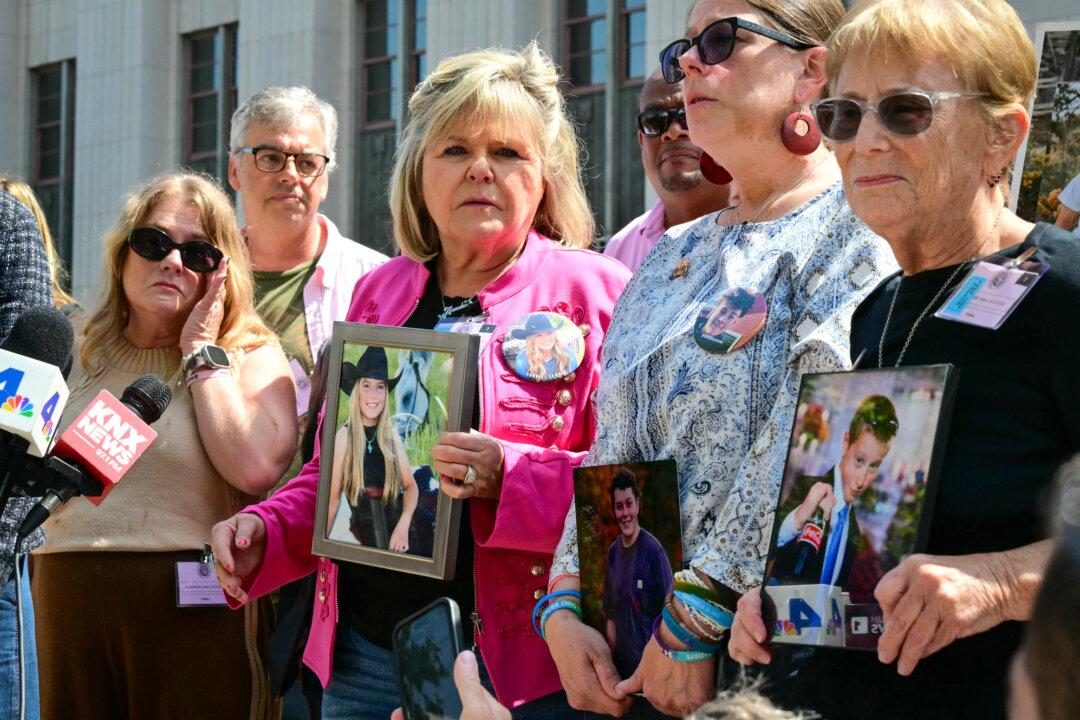
NY Senators Schumer and Gillibrand have modified the bill in hopes of getting it passed in the senate before the year ends, trimming the bill’s price tag by $1.2 billion—from $7.4 billion to $6.2 billion.The bill was passed unanimously in the senate and made swift progress through the House. On Thursday Dec. 23, Mayor Bloomberg, Senators Schumer and Gillibrand and Representatives Maloney, King and Nadler celebrated the passage of the 9/11 Health and Compensation Act, along with First Responders, outside 7 World Trade Center.
Failed Times Square Bombing Attempt
What might have been New York’s worst tragedy since 9/11, a failed attempt to explode a car bomb near Times Square ended in a smoldering fizzle. Faisal Shahzad, a 31-year-old naturalized American citizen, attempted to explode a car bomb in Times Square on May 1.
According to the FBI, in December 2009, Shahzad received explosives training in Pakistan from an individual affiliated with Tehrik-e-Taliban, a militant extremist group based in Pakistan.
Sharzard received $13,000 from a co-conspirator in Pakistan. He then purchased a rifle, an SUV, and explosives. On May 1, Shahzad drove the car, a Nissan Pathfinder, loaded with the improvised explosive and incendiary devices to Manhattan and parked it near the corner of 45th Street and Seventh Avenue. After parking the car and triggering the device, Shahzad returned to his home in Connecticut.
Three days after the attempted bombing, Shahrzad attempted to flee the United States to Dubai, but was arrested at JFK Airport. Shahzad admitted in court that he had received bomb-making training in Pakistan. He also admitted that he had brought the Pathfinder to Times Square and attempted to detonate the bomb inside. He was then put on trial, where he was found guilty. Shahzad was captured and sentenced to life in prison by Manhattan federal court.
Fracking Feud