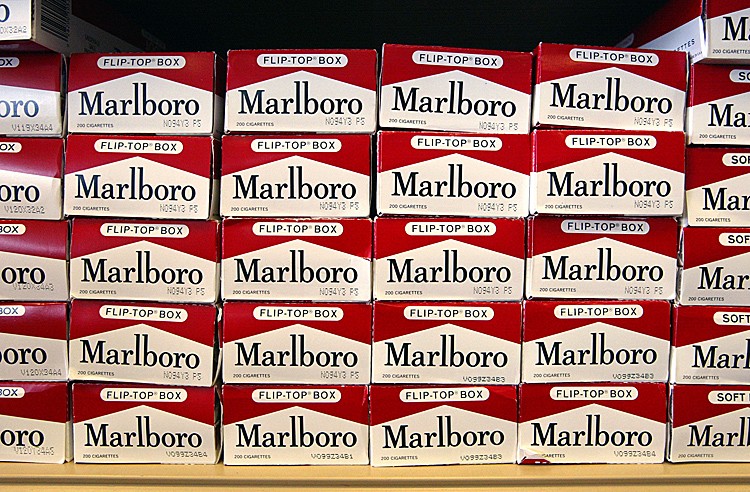
“We have seen three significant drops in the use of tobacco (cigarettes), [and] alcohol especially underage individuals, and methamphetamine,” said Dr. Peter Delany, director of Behavioral Health Statistics & Quality of the Substance Abuse and Mental Health Services Administration (SAMHSA) in a telephone interview.
“A possible approach is that we take a public approach and embrace it as a public health problem and apply it to the challenge of fighting the illicit use of marijuana. It creates physical, social, and community harm, and it is a lot easier to prevent than it is to treat it,” said Delany.
A national survey conducted on Sept. 8 by SAMHSA indicated more Americans used illicit drugs in 2010 than they did in 2008. It found that 22.6 million Americans age 12 or older, or 8.9 percent of the population, used illicit drugs. The rate of use in 2010 was similar to the rate in 2009. The 2008 rate was 8 percent.
In 2010 the survey found 17.4 million Americans were using marijuana compared to 14.4 million in 2007.
As conventional wisdom would suggest, young adults aged 18 to 25 were more likely to use drugs than older people. Youth drug use grew from 19.6 percent in 2008 to 21.2 percent in 2009 to 21.5 percent in 2010.
This 22nd annual National Recovery Month survey reported nonmedical use of prescription drugs, hallucinogens, and inhalants did not grow, staying approximately at the same levels as in 2009 and 2002.
"We stand at a crossroads in our nation’s efforts to prevent substance abuse and addiction," said SAMHSA Administrator Pamela S. Hyde at a press conference. "These statistics represent real lives that are at risk from the harmful and sometimes devastating effects of illicit drug use. … We must do everything we can to effectively promote prevention, treatment, and recovery programs across our country.”
According to Gil Kerlikowske, director of National Drug Control Policy in a press release, “at present the research reveals links between laws that permit access to smoked medical marijuana and higher rates of marijuana use. “In light of what we know regarding the serious harm of illegal drug use, I urge every family—but particularly those in states targeted by pro-drug political campaigns—to redouble their efforts to shield young people from serious harm by educating them about the real health and safety consequences caused by illegal drug use.”
In a piece of good news, the use of methamphetamine decreased by half from 2006 to 2010, according to the survey. In 2006 731,000 people aged 12 and older used meth, but 353,000 used it in 2010. Cocaine use also declined from 2.4 million current users in 2006 to 1.5 million in 2010.
Alcohol use also declined from 14.7 percent in 2009 to 13.6 percent in 2010. Tobacco use rates declined from 11.6 percent to 10.7 percent.
The 2010 NSDUH (National Survey on Drug Use and Health) indicated a big gap between people needing specialized treatment for substance abuse and people who actually received it. The agency reported that 23.1 million Americans aged 12 or older needed specialized treatment for substance abuse, but only 2.6 million received it.
The survey sampled approximately 67,500 people around the country aged 12 and up.
According to SAMSA, “Recovery Month aims to educate the public that behavioral health is essential to overall health, that prevention works, that treatment for substance use and mental health disorders is effective, and that people can and do recover.”