New MetroCard Makes Transferring More Convenient in NYC

February 20, 2013 Updated: September 29, 2015
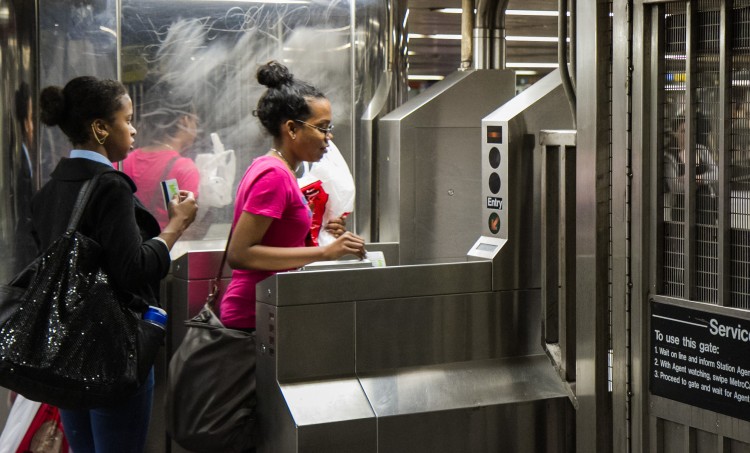
Commuters use there MTA Metro cards at the Harold Square subway station on May 23, 2012 in New York City. New MetroCards now enable straphangers to double up on the way they pay, making it easier to transfer between the subway system and other transit systems in the area.  (Benjamin Chasteen/The Epoch Times)
Commuters use MTA MetroCards at the Harold Square subway station on May 23, 2012 in New York City. New MetroCards now enable straphangers to double up on the way they pay, making it easier to transfer between the subway system and other transit systems in the area. (Benjamin Chasteen/The Epoch Times)

NEW YORK—New MetroCards now enable straphangers to double up on the way they pay, making it easier to transfer between the subway system and other transit systems in the area.

Before today’s public debut of the new MetroCards, subway riders could only refill MetroCards for the specific use they bought them for, such as a 30-day card. Now customers can get any type of fare, whether a single ride, a set of rides, or an unlimited set of time (7-day or 30-day) on their cards.

Also, if a rider is transferring from the Port Authority (PATH) system, a subway system primarily serving New Jersey, to the AirTrain, an automated train that serves John F. Kennedy International Airport, they can use the same card. However, if a rider is using the MetroCard on a system that has an unlimited fare option the card will not work.

A rider can get either a 7-day or 30-day pass and can also load a cash value on their MetroCard. When they exit the subway system and enter the PATH or AirTrain system, or hop on express buses, the card will use the cash. When they get back on the subway system, the card will revert back to an unlimited ride.

Epoch Times Photo
The New York City MTA MetroCard. (Deborah Yun/The Epoch Times)

Furthermore, riders can get an additional refill of unlimited ride time, say 60 days instead of 30 days, so when their first set runs out, it automatically transfers to the next one.

The shift comes in advance of a fare raise set to start in mid-March, which includes a $1 surcharge for new MetroCards.

“This card is the most flexible MetroCard ever offered and the best way to avoid paying the $1 New Card Fee by refilling and reusing your current card,” said Metropolitan Transit Authority (MTA) President and Interim Executive Director Thomas Prendergast in a Feb. 20 press release.

The MTA—which manages the subway system, many of the buses, and the regional rail systems Metro-North and Long Island Rail Road—spends nearly $10 million per year producing almost 160 million MetroCards. The $1 surcharge, and the updated card, is an attempt to cut down on waste, according to the agency.

The updated card comes in lieu of a modernized version, which was delayed recently.

William Henderson, executive director of the Permanent Citizens Advisory Committee—an organization that represents riders of the subways, buses, and rail lines—said that the cards are better than before but leave a lot to be desired. 

“There’s a number of things that could be better,” he said in a phone interview. The goal should be to create a fare media like London’s Oyster Card, which stores bus, rail, and subway passes on a card that gets flashed in front of a digital reader instead of swiped like the MetroCard.

“There’s only so much you can do with a magnetic strip on that card,” said Henderson. 

The MTA said in a January board meeting that they still haven’t seen the type of credit and debit cards they expected to be in wide use by now, which have embedded chips instead of magnetic strips. The new generation of MetroCard, which would be in some ways similar to the Oyster Card, will not be ready until at least 2016.

The Epoch Times publishes in 35 countries and in 21 languages. Subscribe to our e-newsletter.


Follow Zachary on Twitter: @zackstieber