Gov.’s Budget Tackles Gap, Proposes Soda Tax

January 20, 2010 Updated: October 1, 2015

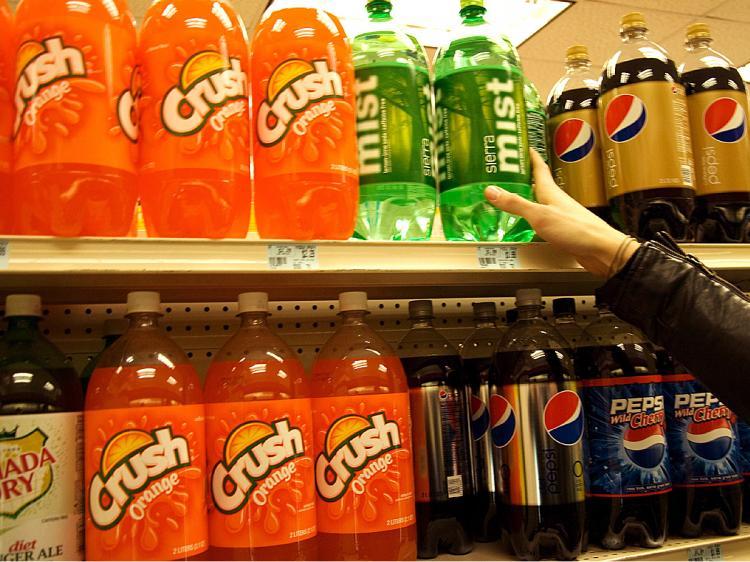
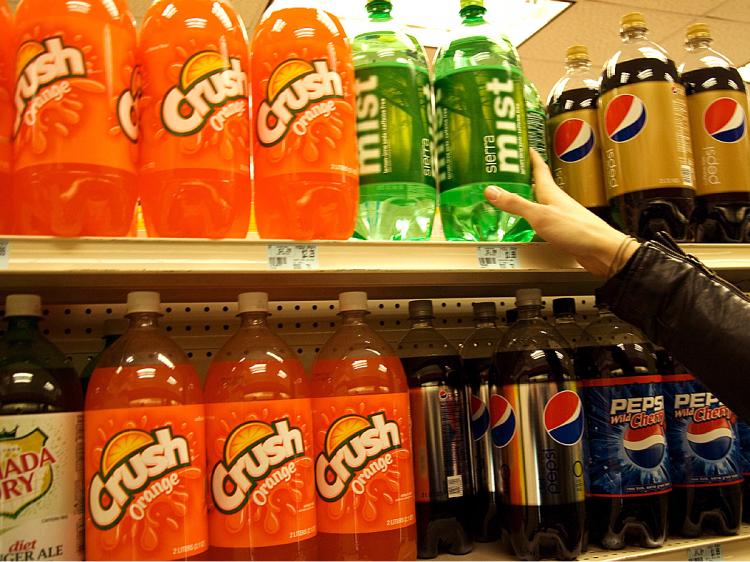
A New Yorker reaches for a bottle of soda at a store in Midtown Manhattan on Tuesday. Governor David Paterson's proposed budget would add a 12 cent tax on cans of soda. (Jack Phillips/The Epoch Times)
NEW YORK—Gov. David Paterson unleashed his record $134 billion budget proposal for 2010-2011 on Tuesday, which proposes sweeping cuts to tackle a $7.4 billion gap. The cuts don’t actually decrease spending compared to the current fiscal year, but would keep New York’s state government from significantly growing its spending and size any more.

About $5.5 billion of the $7.4 billion gap would be paid back via spending reductions in school aid, health care, and across-the-board agency cuts. About $1 billion would be raised via new taxes, including new taxes on soft drinks and cigarettes.

"Since the day I became governor, I have warned that New York is facing an inevitable fiscal reckoning," said Gov. Paterson, who said New York in past years has enjoyed relatively unrestrained spending.

The cuts to school aid and health care will not likely bode well with unions, who strongly influence Democratic state lawmakers. Democrats currently are in the majority in the Legislature.

“Though the governor acknowledges our fiscal difficulties, some components of his proposal clearly need modification,” said Senate Majority Leader John Sampson, in a statement.

The governor and Legislature will now have to work together to pass a budget before the next fiscal year begins April 1.

‘No Easy Answers’

“There are no more easy answers. Avoidance behavior is simply not acceptable. Federal stimulus funding is running dry,” said Paterson. “We have already increased taxes on high-income New Yorkers. And those who have doubted the severity of our financial difficulties were proven wrong time and time again.”

Health care, school aid, and across-the-board agency spending are all to get around $1 billion cut each during the next fiscal year.

Health care programs would get approximately a $1 billion spending cut on top of $923 million in extra taxes and assessments to hospitals and health care facilities.

“Significant spending reductions are necessary if we want to emerge from this crisis and build a strong fiscal and economic recovery,” said the governor, staying optimistic. “Together, through shared sacrifice, we will move forward toward a more hopeful and optimistic future for New York."

Proposed taxes include charging an extra $1 dollar cigarette tax, which would bring the tax up to $3.75 a pack. The new cigarette tax would bring in an estimated $210 million in the next fiscal year. Soft drinks would be taxed 12 cents per can under the new proposal, which would bring in approximately $465 million.

Money accrued via the two excise taxes will go to health care providers to offset the costs for treating health problems related to smoking and obesity. The governor cited reports from the comptroller, which said obesity and smoking health care costs add up to almost $16 billion per year.

In the next fiscal year, school aid is to get a $20.5 billion budget, down $1.1 billion from the previous year. New York spends nearly $6,000 more than the national average per student on education, while New York students do not rank near the top on performance.

State and city universities as well as community colleges will get approximately $208 million cut from their budget, and will be granted the ability to raise tuition fees when they want.

He also proposed to lift the ban on ultimate fighting from coming to New York, as well as allow grocery stores to sell wine, and lessen restrictions on lottery sales and operations. Wine sales could bring in $93 million dollars in the next year and removal of some lotto restrictions could add $78 million to the coffers, according to the governor.

Amidst all the cuts, the governor said that he would minimize state employees layoffs, keeping them to around 600.