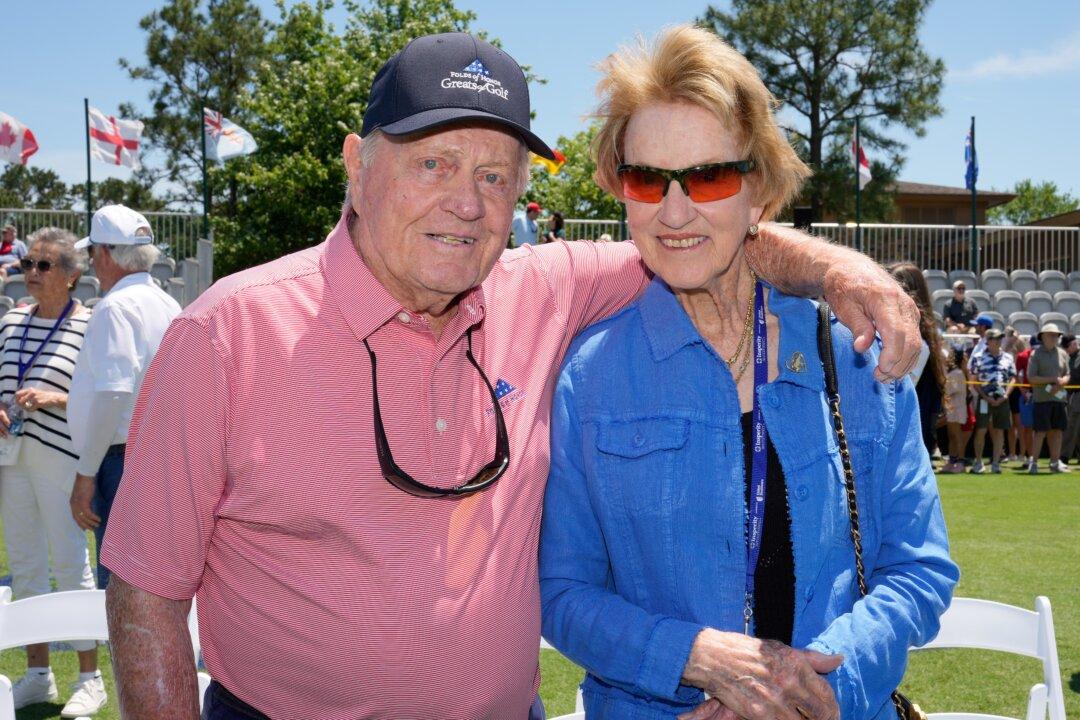
NEW YORK, NY—When Arnold Palmer passed away on September 25 just prior to the start of the Ryder Cup Matches in Minnesota there was much reflection on what “The King” provided golf at the professional level.
Beyond his expansion of golf as a sport on a global basis, Palmer’s most important legacy was opening up the doors to new players -- for too long golf had remained an exclusive elite bastion -- a shutting out of the broader masses. The emergence of Palmer -- in concert with the ascendancy of television -- provided the impetus the sport had never experienced.
Public golf options exploded -- more and more people, beyond the most affluent, sought out the game for their personal enjoyment.
In the era in which Palmer lived -- golf came into public view through his magnetic and charismatic personality. People saw the style that Palmer encapsulated in all elements of his persona and wanted to take up a sport worthy of their time and dedication to play it.
It has been several years since the end of The Great Recession that ended in early ‘09 but the shock waves from that time have pushed to the forefront serious issues impacting golf here in America and internationally. The passing of Palmer cloaked what has been obvious for a number of years now.
Golf participation has moved backwards -- dependent on an ever-aging baby boomer generation nearing an end of its core support in terms of rounds played, equipment purchased and all other related dollar contributions tied to the game.
Golf is now facing an ever hyper world where speed is prized -- the head-scratching five plus hours to play a frustrating game is not resonating with younger audiences looking elsewhere for entertainment and past times better fitted to their respective lifestyles and needs.
WHAT'S NEEDED?
The total supply of golf courses in the USA is roughly 15,372 -- down from 16,052 prior to the start of The Great Recession. The USA accounts for 45% of the world’s supply (34,011) of golf facilities -- with just over 70% of the total number of courses globally are public oriented.