Formula One Gets Four-Cylinder ‘Green’ Motors in 2013

December 10, 2010 Updated: October 1, 2015

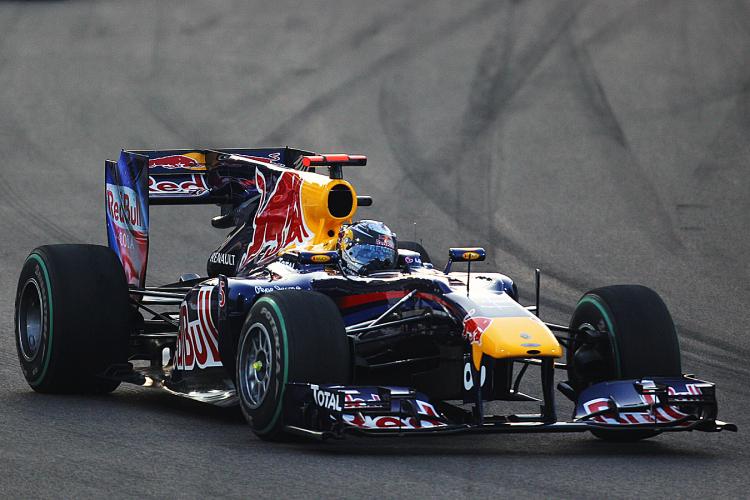
FORMULA ONE GOING GREEN: Formula One World Champion Sebastian Vettel drives during the 2010 Abu Dhabi Formula One Grand Prix. Starting in 2013, his engine will have half as many cylinders. (Paul Gilham/Getty Images)
Formula One is going "green" in 2013, with engines using 35 percent less fuel and energy recovery systems, according to an FIA press release.

The World Motorsports Council today approved the FIA’s proposed rules requiring Formula One teams to use turbocharged 1.6-liter, four-cylinder engines with a 12,000 RPM limit, starting in 2013. The current formula requires a naturally aspirated 2.4-liter V8 turning at a maximum of 18,000 RPM.

The new motors are expected to provide the same power as the current motors (approximately 700 bhp), while offering one-third better fuel economy.

Most auto manufacturers are trying to promote themselves as “green” and more environmentally friendly, while Formula One racing is seen by some as wasteful. By dramatically increasing fuel mileage and by using energy recovery systems, teams will be able to show that they are advancing “green” technology and improving automobile efficiency.

For 2012, F1 will allow fuels made from biomass. The current regulations specify gasoline as the only acceptable fuel.

According to the new regulations, each team will be permitted to use five engines during a season. The current limit is eight. In 2014, the engine limit will drop to four per driver per season.

Rule changes for 2011 and 2012 were also released. The most significant change for 2011 is allowing team orders. Between 2003 and 2010, teams were forbidden to order drivers to cooperate in any way to change the outcome of the race. For example, one driver on a team could not let the other driver pass to gain a better position and more points.

The team orders ban has been highly controversial and highly impractical; teams simply found ways to issue orders secretly. After Ferrari was fined $100,000 for giving fairly obvious team orders at the 2010 Hockenheim race, the FIA agreed to review the rule.