VANCOUVER, Canada—U.S. Olympians make deep sacrifices for their sport. Some forgo cheeseburgers, others miss time with friends. But in the less popular sport of ski jumping, which doesn’t attract sponsorships and is almost ignored by the U.S. Olympic committee, athletes also sacrifice college funds.
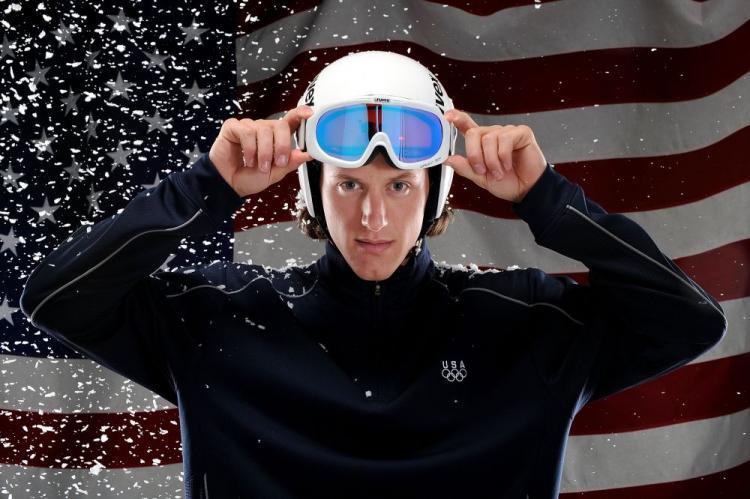
The United States will field three men in this year’s ski jumping competition. While they’re not considered top medal contenders, they have made it to where they are through hard work and the immense help of their parents who paid out of their own pockets. Not even their skis are paid for by sponsors.
“We don’t have the funding that anyone has. I can guarantee you that [we have] the smallest budget of any ski jumping team in the world,” said Anders Johnson of Park City, an Olympic veteran returning for his second games after competing in Turin in 2006.
For Johnson, part of the sacrifice is knowing his dreams are a burden on his family, that every World Cup is a blow to the family finances.
Johnson spoke with The Epoch Times after a media briefing at the Vancouver Olympics media center. He said his parents spend just over $20,000 supporting him as he travels the world competing in events. That’s a shoestring budget, he said, and even now, as they gather in Vancouver to take in the proudest moment in a ski jumper’s career, a part of him is weighed down by all they have given.
“In the back of my mind I always kind of feel, not necessarily guilty but ... it’s kind of a big burden to put on your parents,” he said.
He says his parents are unfailingly supportive and have never made him worry about the money issue, but he can’t ignore that it is there.
For Johnson, ski jumping is in his genes. He first jumped at three when he followed his sister on a 20-meter jump when no one was looking. His father was the head coach of the U.S. ski jumping team in 1995 and his sister Alissa is currently competing in Europe since the Olympics have yet to open themselves to women’s ski jumping.
When he competed in Turin in 2006, Johnson at 16 was the youngest U.S. Olympic ski jumper ever. This year his teammate Peter Frenette of Saranac Lake, has the distinction of being the youngest male member of the U.S. Olympic team in Vancouver.
Frenette snuck into the Olympics after having a surprisingly good year in competition. At 17, he’s still in high school and says he has missed a lot of school to make the games, but will make it up later. His mom made him apply to college he said, but his focus is on ski jumping. He worked at an ice cream stand last summer to help make it happen.
While many people believe U.S. Olympic teams are among the highest funded in the world, Frenette says that certainly is not the case with his sport.
“We actually have very very little support. It is basically put on the back of the parents and ourselves to try and get sponsors.”
“Without my parents, I would in no way be here.”
He said it was hard to compete and grow in the sport with the costs of equipment and plane tickets for five events each winter, but community fundraisers have helped.
“It’s just definitely really hard.”
But, in the end, the sacrifice is worth it, he said.
“I get all the experiences of going to Austria and Germany and Japan and all these places that most people will never go to in their lives. And I am doing it with the sport I love so it’s definitely worth the sacrifice.”
Nick Alexander is the third member of the team and the current American points leader. He’s put aside for now his dream of being a pilot and is washing dishes to supplement the support of his family and community so he can jump. That community, Lebanon, New Hampshire, is a big part of his making the Olympics, he said.
“There is a lot of people there who have helped me out, it’s unbelievable. There is actually a few businesses that have helped me in Lebanon.”
“I really wouldn’t be here if it wasn’t for them.”
New rules might force him to get new skis, which at $700 a pair is a big chunk of money, he said.
“If I didn’t have Lebanon, I wouldn’t have skis.”
But for these athletes, the lack of funding hasn’t changed their drive. And while most people will never remember their names or recognize them on the street, they’ve made it to the top of their sport, putting aside everything to follow a dream and succeed. And then there is the added bonus of doing something most of us can only do in our dreams—fly.
“If you ever had a dream about flying, that is what it is like, pretty much exactly. You actually feel like you are flying, like you can get some lift and just sort of take off,” said Alexander.
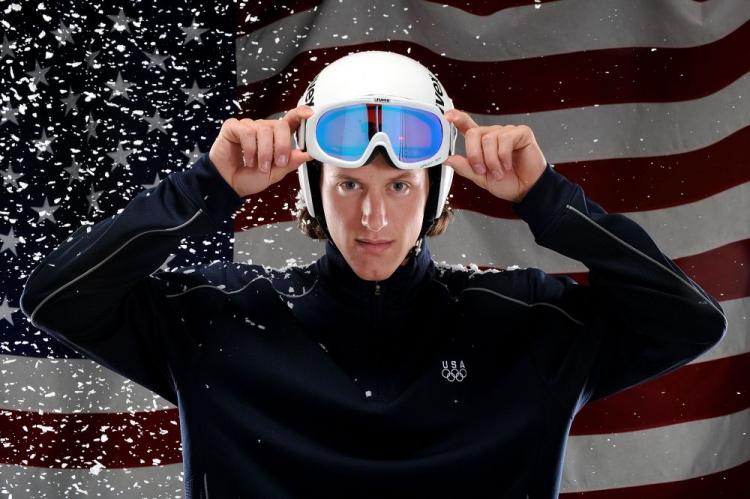
The United States will field three men in this year’s ski jumping competition. While they’re not considered top medal contenders, they have made it to where they are through hard work and the immense help of their parents who paid out of their own pockets. Not even their skis are paid for by sponsors.
“We don’t have the funding that anyone has. I can guarantee you that [we have] the smallest budget of any ski jumping team in the world,” said Anders Johnson of Park City, an Olympic veteran returning for his second games after competing in Turin in 2006.
For Johnson, part of the sacrifice is knowing his dreams are a burden on his family, that every World Cup is a blow to the family finances.
Johnson spoke with The Epoch Times after a media briefing at the Vancouver Olympics media center. He said his parents spend just over $20,000 supporting him as he travels the world competing in events. That’s a shoestring budget, he said, and even now, as they gather in Vancouver to take in the proudest moment in a ski jumper’s career, a part of him is weighed down by all they have given.
“In the back of my mind I always kind of feel, not necessarily guilty but ... it’s kind of a big burden to put on your parents,” he said.
He says his parents are unfailingly supportive and have never made him worry about the money issue, but he can’t ignore that it is there.
For Johnson, ski jumping is in his genes. He first jumped at three when he followed his sister on a 20-meter jump when no one was looking. His father was the head coach of the U.S. ski jumping team in 1995 and his sister Alissa is currently competing in Europe since the Olympics have yet to open themselves to women’s ski jumping.
When he competed in Turin in 2006, Johnson at 16 was the youngest U.S. Olympic ski jumper ever. This year his teammate Peter Frenette of Saranac Lake, has the distinction of being the youngest male member of the U.S. Olympic team in Vancouver.
Frenette snuck into the Olympics after having a surprisingly good year in competition. At 17, he’s still in high school and says he has missed a lot of school to make the games, but will make it up later. His mom made him apply to college he said, but his focus is on ski jumping. He worked at an ice cream stand last summer to help make it happen.
While many people believe U.S. Olympic teams are among the highest funded in the world, Frenette says that certainly is not the case with his sport.
“We actually have very very little support. It is basically put on the back of the parents and ourselves to try and get sponsors.”
“Without my parents, I would in no way be here.”
He said it was hard to compete and grow in the sport with the costs of equipment and plane tickets for five events each winter, but community fundraisers have helped.
“It’s just definitely really hard.”
But, in the end, the sacrifice is worth it, he said.
“I get all the experiences of going to Austria and Germany and Japan and all these places that most people will never go to in their lives. And I am doing it with the sport I love so it’s definitely worth the sacrifice.”
Nick Alexander is the third member of the team and the current American points leader. He’s put aside for now his dream of being a pilot and is washing dishes to supplement the support of his family and community so he can jump. That community, Lebanon, New Hampshire, is a big part of his making the Olympics, he said.
“There is a lot of people there who have helped me out, it’s unbelievable. There is actually a few businesses that have helped me in Lebanon.”
“I really wouldn’t be here if it wasn’t for them.”
New rules might force him to get new skis, which at $700 a pair is a big chunk of money, he said.
“If I didn’t have Lebanon, I wouldn’t have skis.”
But for these athletes, the lack of funding hasn’t changed their drive. And while most people will never remember their names or recognize them on the street, they’ve made it to the top of their sport, putting aside everything to follow a dream and succeed. And then there is the added bonus of doing something most of us can only do in our dreams—fly.
“If you ever had a dream about flying, that is what it is like, pretty much exactly. You actually feel like you are flying, like you can get some lift and just sort of take off,” said Alexander.