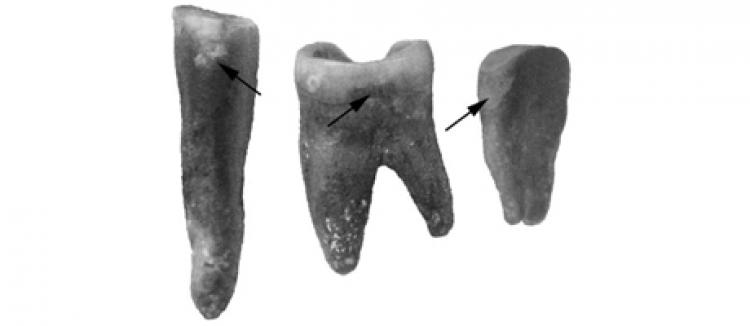
Neanderthals from 36,000 years ago ate a variety of vegetables and even cooked some of them, a recent study found.
The study, published online in PNAS on Dec. 27, analyzed plant matter trapped in the dental calculus of seven teeth from three Neanderthals recovered from Belgium and Iraq. The specimens dated from 36,000 and over 50,000 years ago, respectively.
“Our data show that Neanderthals in both environments included a spectrum of plant foods in their diets, including grass seeds (Triticeae cf. Hordeum), dates (Phoenix), legumes (Faboideae), plant underground storage organs, and other yet-unidentified plants, and that several of the consumed plants had been cooked,” the research paper reads.
“Many of the grass seed starches showed damage that is a distinctive marker of cooking.”
The researchers found that the damage done to these plants matches that of baking or boiling.
Previous research, such as the discovery of hearths and burned material, has suggested that Neanderthals could cook, but this is the first study that has found direct evidence for the behavior.
“Other evidence suggests that Neanderthal foraging patterns were much like those of modern humans, including small game, marine resources, plant foods, similar use of fire, some cooking, and other food processing, and that these behaviors may have extended back in time to the Middle Pleistocene [781,000 to 126,000 years ago],” the researchers said in their paper, citing a 2009 study.