This copy is for your personal, non-commercial use only. Distribution and use of this material are governed by our Subscriber Agreement and by copyright law. For non-personal use or to order multiple copies, please contact The Epoch Times Reprints.

The Epoch Times
The Epoch Times
AD
The Epoch Times
Entertainment News

‘You Should Be Disturbed’: Ralph Fiennes Criticizes Trigger Warnings

Google LogoMark Us Preferred on Google
‘You Should Be Disturbed’: Ralph Fiennes Criticizes Trigger Warnings
Ralph Fiennes attends a press conference for 'The English Patient - Il Paziente Inglese' during the 11th Rome Film Festival at Auditorium Parco Della Musica in Rome, Italy, on Oct. 22, 2016. Ernesto Ruscio/Getty Images
Jessamyn Dodd
Jessamyn Dodd
2/12/2024|Updated: 2/12/2024
0:00

In a recent interview with BBC One’s Sunday with Laura Kuenssberg, Academy Award-nominated actor Ralph Fiennes critiqued the prevalent use of “trigger warnings” in contemporary entertainment.

Emphasizing the transformative power of theater, Mr. Fiennes argued against the necessity of preparing audiences for potentially distressing content, citing the inherent value of experiencing raw emotions and confronting uncomfortable truths within the realm of performance.

Drawing from his extensive experience in theater, Mr. Fiennes reminisced about a time when trigger warnings were nonexistent, reflecting on the impact of unanticipated shock and disturbance on audience members. He highlighted Shakespearean tragedies like “Macbeth” and “King Lear,” replete with scenes of violence and horror, as quintessential examples of theater’s ability to evoke visceral reactions and provoke deep introspection without the need for preemptive alerts.

“Shakespeare’s plays are full of murderers, full of horror. As a young student and lover of the theater, I never experienced trigger warnings telling me: ‘By the way in King Lear, Gloucester is going to have his eyes pulled out.’ Theater has to be alive and connect in the present,” he continued. “It’s the shock, the unexpected, that’s what makes an actor (in) theater so exciting.”

While acknowledging the importance of warnings for physical stimuli that could pose genuine risks, such as strobe effects triggering seizures, Mr. Fiennes contended that the current cultural climate of political correctness has excessively embraced emotional safeguarding, diluting the potency of live performance. He championed the element of surprise and spontaneity as essential components of the theatrical experience, asserting that the absence of trigger warnings fosters a more authentic and immersive engagement with the narrative.
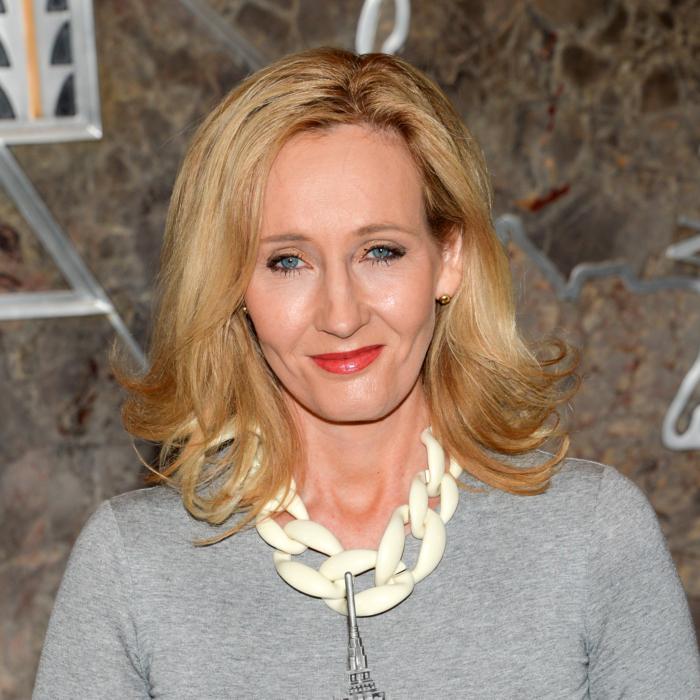
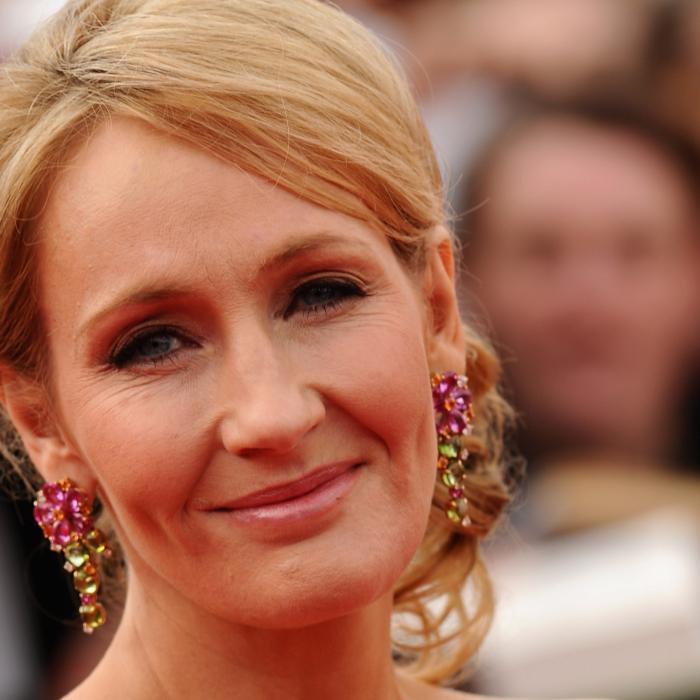
Mr. Fiennes’ remarks underscored a broader critique of what he perceives as an encroachment of “woke culture” into the arts, echoing his previous defense of Harry Potter author J.K. Rowling amidst controversies surrounding her pro-women views on transgender issues. Unwavering in his support for Ms. Rowling’s freedom of expression, Mr. Fiennes, who plays the role of Lord Voldemort in the film series, condemned the vitriolic attacks directed at her, emphasizing the importance of respectful dialogue and tolerance for differing perspectives within the public discourse, telling The New York Times that the “verbal abuse directed at her is disgusting.”
Related Stories
The Epoch Times
JK Rowling Criticises Australian Judge for Using Gender Pronouns in Court
The Epoch Times
Author J.K. Rowling Comes Out Swinging Against Transgender Language

In contrast to some of his “Harry Potter” co-stars, who have publicly denounced Ms. Rowling’s statements, Mr. Fiennes emerged as a steadfast advocate for intellectual diversity and the right to dissent, reaffirming his commitment to upholding principles of free speech and artistic integrity.

“It’s just a woman saying, ‘I’m a woman and I feel I’m a woman and I want to be able to say that I’m a woman.’ And I understand where she’s coming from even though I’m not a woman.”

Daniel Radcliff, Emma Watson, Rupert Grint, and Eddie Redmayne have made statements in support of the trans community following Ms. Rowling’s posts.

Ms. Rowling has come under fire in the past for social media posts. On June 6, 2020, Rowling shared a repost of an op-ed that referred to “people who menstruate,” expressing apparent discomfort with the omission of the word “women.” She commented, “‘People who menstruate.’ I’m sure there used to be a word for those people. Someone help me out. Wumben? Wimpund? Woomud?”
In a 2020 essay published on her website, J.K. Rowling expressed concerns about the implications of opening women’s bathrooms and change rooms to individuals who identify as transgender.

She stated, “When you throw open the doors of bathrooms and changing rooms to any man who believes or feels he’s a woman … you open the door to any and all men who wish to come inside.”

This viewpoint sparked controversy and accusations of transphobia, leading to calls for boycotts of the Harry Potter franchise, including its books, movies, and the upcoming video game Hogwarts Legacy.

Google LogoMark Us Preferred on Google
Jessamyn Dodd
Jessamyn Dodd
Author
Jessamyn Dodd is an experienced TV news anchor, reporter, and digital journalist covering entertainment, politics, and crime.
Author’s Selected Articles
‘This Old House’ Star Roger Cook Dead at 70 After Battle With Illness
Aug 26, 2024
‘This Old House’ Star Roger Cook Dead at 70 After Battle With Illness
‘Reagan’ Premiers in Hollywood: A Cinematic Tribute to a President
Aug 22, 2024
‘Reagan’ Premiers in Hollywood: A Cinematic Tribute to a President
Kimberly Williams-Paisley Opens Up About Vocal Cord Surgery
Aug 20, 2024
Kimberly Williams-Paisley Opens Up About Vocal Cord Surgery
NBA Star Jonathan Isaac Talks Faith and Breaking the Mental Health Stigma
Aug 16, 2024
NBA Star Jonathan Isaac Talks Faith and Breaking the Mental Health Stigma
Related Topics
JK Rowling
Harry Potter
Ralph Fiennes
AD
Add to My List
Save
The Epoch Times
Copyright © 2000 - 2026 The Epoch Times Association Inc. All Rights Reserved.