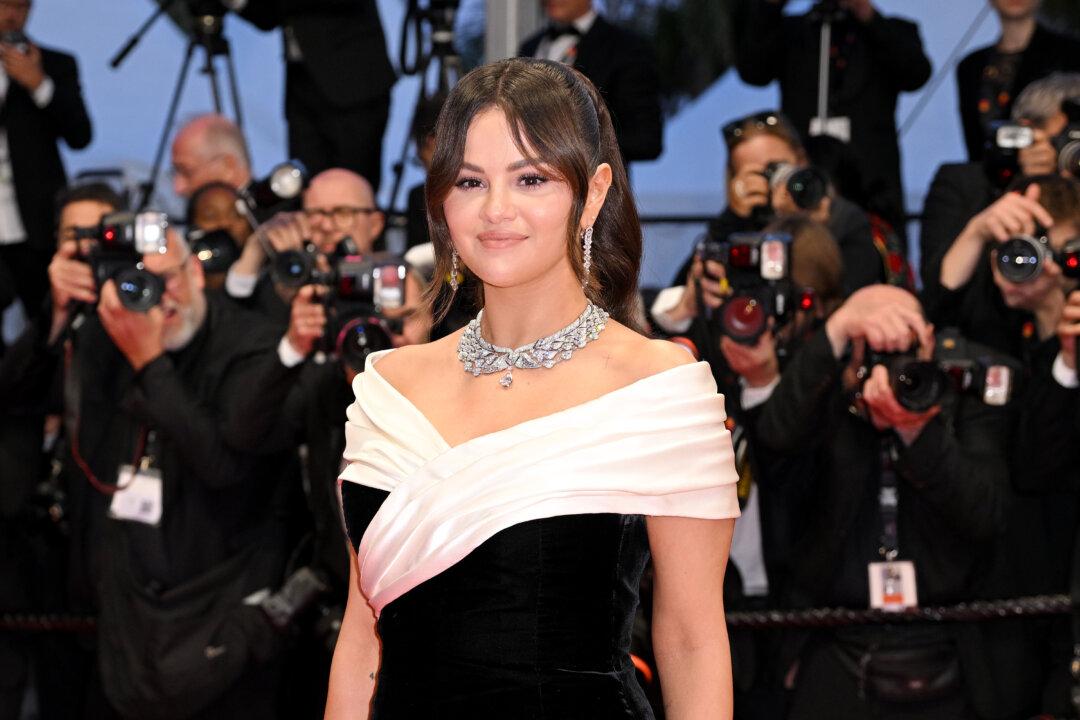
Taylor Swift’s company has filed applications to trademark the singer’s voice and physical likeness as a means of protecting against the rise of AI-generated deepfakes and unauthorized digital clones.
The filings, which were submitted April 24 through TAS Rights Management, include two sound trademarks featuring Swift speaking the phrases, “Hey, it’s Taylor Swift” and “Hey, it’s Taylor,” as well as one for her visual likeness.
The U.S. Patent and Trademark Office has not yet approved the applications, which could take months, and could be opposed by third parties.
The new filings arrive amid ongoing discussions in Congress and state legislatures about regulating nonconsensual deepfake content, particularly material that exploits minors or inflicts reputational harm.
Taylor Swift also faces a trademark infringement lawsuit filed by a Las Vegas performer on March 30.

“Both share the same structure, the same dominant phrase, and the same overall commercial impression,” the lawsuit reads. “Both are used in overlapping markets and are directed at the same consumers.”
Wade describes herself as a singer, writer, and stage performer.
“All the times I was [this] close, reaching out for it, only for it to fall through,” she wrote in a letter on her website. “I almost stopped thinking it could ever happen, after 20 years of having the carrot dangled then yanked away. But that’s all in the past now.”
“This is very alarming. And so, we’re going to do what we can to deal with this issue,” press secretary Karine Jean-Pierre said during a news briefing. She called for legislative action by Congress to address lax enforcement against false images, particularly those potentially generated by artificial intelligence, noting the disproportionate impact on women.
“This is a temporary action and done with an abundance of caution as we prioritize safety on this issue,” Joe Benarroch, head of business operations at X, told news outlets in a statement.