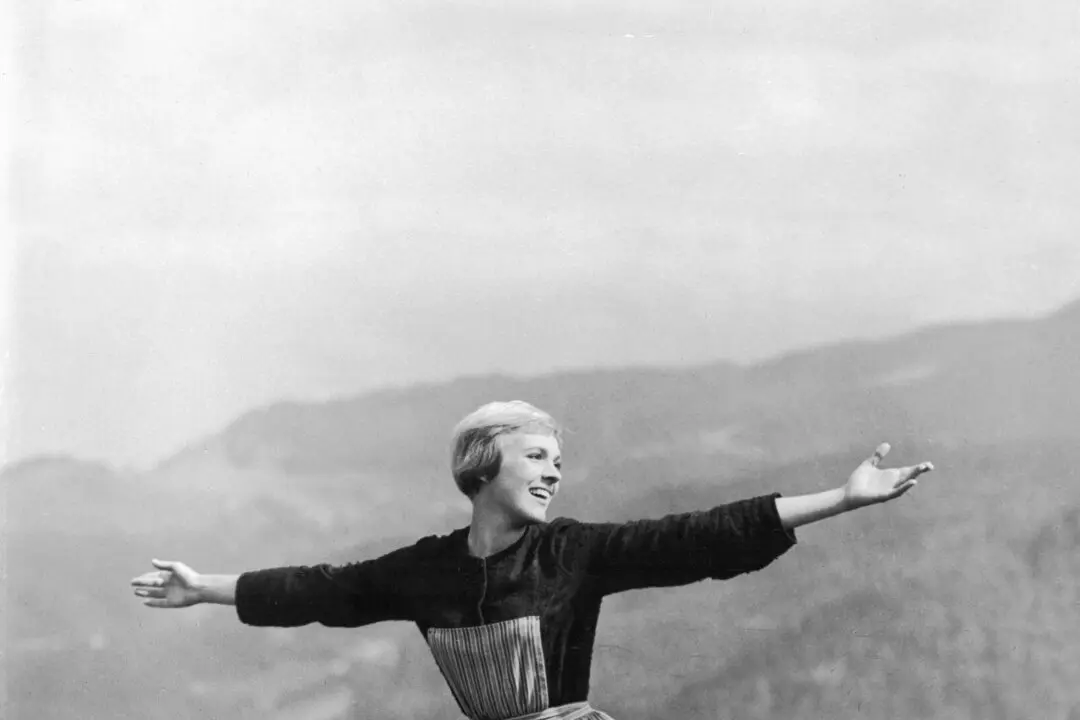
Four-time Grammy Award-winner Keith Urban, who chose a path to sobriety nearly two decades ago, reflects on the long-lasting impact that decision has had both on and off-stage.
“You’re either gonna choose to get out of this [expletive] or you’re never gonna get out of it,” he said.
“That day is gonna come, and it won’t be like, well, if you mess it up this time, maybe next time. There won’t be a next time. And you'll know when it comes. This went on for years.”

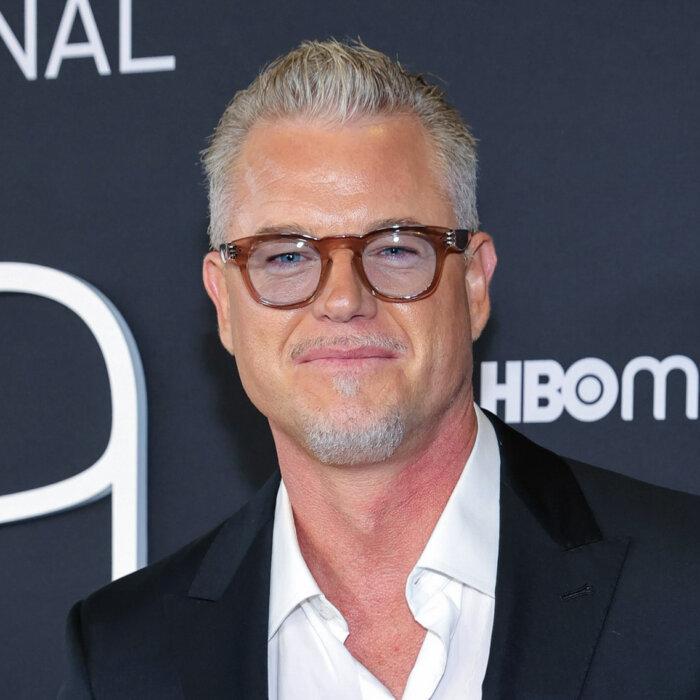
“I didn’t come to America for that,” Urban said. “I came to America to make music and record and tour, and grow as an artist and as a human being. I didn’t come to America to end up in rehab and courthouses. ... That’s not why I came here, so I’m like, ‘What am I doing?’”
The country music star previously said that his struggle began while growing up with an alcoholic father, along with deeply rooted insecurity issues. Onstage, he felt as if he belonged, whereas off-stage, he questioned what more he had to offer.
It wasn’t until Urban met his wife, Academy Award-winning actress Nicole Kidman, that he hit a turning point. The two tied the knot in 2006, shortly after Kidman led an intervention that led to rehab.
“In 2006, when that happened, my wife called an intervention on me, I knew that was it,” the singer recalled. “I’m like, ‘oh, this is that fork in the road. Here it is.’”
Country stars, including Tim McGraw, Brantley Gilbert, and Trace Adkins, are just some of the other big-name musicians who continue to advocate for sobriety and the positive impact it leaves on their careers and home lives.
Similarly to Urban, McGraw credits his wife, Faith Hill, for helping him turn to sobriety, and continued support through his journey.