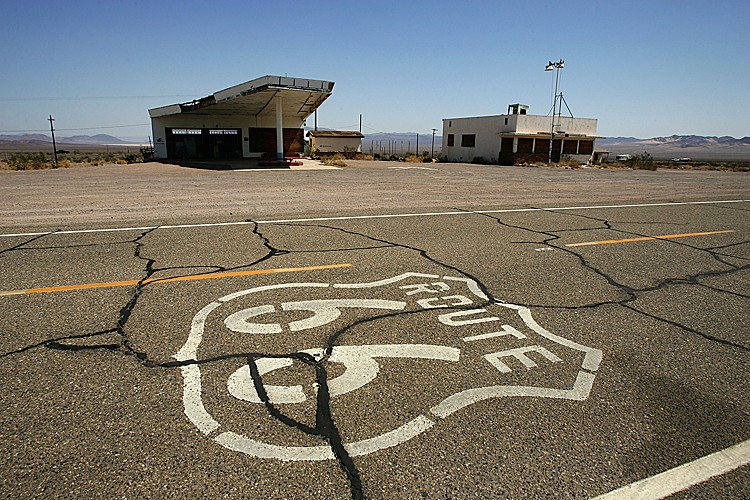
Deteriorating conditions of rural roads and bridges in the U.S. has contributed to a fatality rate that triples the national average for highways, according to a recent study.
The authors, Associated General Contractors (AGC) of America, advocate putting a halt to legislation that would eliminate federal funding for infrastructure. AGC believes eliminating such funding would further cripple the economy and compromise safety.
“The best way to boost our economy, support private sector growth, and cut unemployment is to pass a new surface transportation bill,” said Stephen E. Sandherr, chief executive officer of AGC, in a press release. “Killing funding for our aging roads and bridges would be tantamount to economic malpractice.”
The fatality rate on rural roads is 2.31 deaths for every 100 million vehicle miles of travel—three times the fatality rate on all other roads, according to AGC’s “Rural Connections: Challenges and Opportunities in America Heartland” study.
Fifty-five percent of national rural roads were rated poor, mediocre, or fair. Almost a quarter (23 percent) of rural bridges were deemed either structurally deficient or functionally obsolete, the report states.
South Carolina and Florida have the highest rural road fatality rates, according to a national transportation research group called TRIP. Vermont and Idaho have the highest percentage of rural roads in poor condition, and Pennsylvania and Rhode Island take the lead in deficient rural bridges.
Rural roads serve as systems to transport produce and goods, and TRIP is concerned that some legislators in Washington have called for transportation cuts, while others are advocating the termination of federal transportation funding. Rural roads are generally maintained by the state and local government
“American’s are frustrated and have called for lower taxes because they see the growing federal government but they don’t see any type of returns in their investments,” said Frank Moretti, TRIP director of research and policy in a conference call.
“Currently the U.S. has dropped to number 16 in a world survey in terms of its national infrastructure system. This sort of underscores our discussion about our ability to compete internationally.”
Those in the business and transportation industry stressed that employers rely on rural roads to ship much of the national goods and cautioned that cuts in government funding will deprive resources they need to improve road conditions, repair bridges, and keep the roads safe.
AGC’s Sandherr is urging Congress to quickly pass long term legislation that would help reconstruct aging back roads and bridges.
“Rural America plays a vital role in the U.S., is home to about 50 million people and much of the nations natural resources, and is a primary source nationally of the energy, food, and fiber,” said Moretti. “These are sectors of the economy that highly rely on the transportation system—particularly rural roads, bridges, and highways which supply the first and last link to the markets in America.”
He said the rural roads in Wyoming, North Dakota, and Montana are under the most pressure.