


In 2009, Clayton Homes, the largest home builder in the United States, released the i-house—their first green, prefabricated home to come factory made, constructed to deliver onsite, with all the perks of modern finishes and energy efficiency.
With satisfied owners saying, “I’m off the charts about it,” and “I love, love, love my i-house,” Clayton decided to look into further possibilities by running a large-scale survey requesting feedback from the public to help guide i-house architects in creating future models.
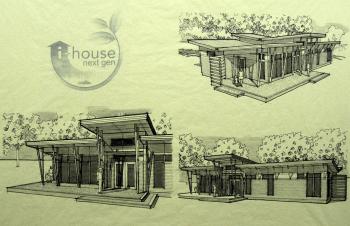
The feedback is in, and Clayton has just released their concept for the i-house 2.0.
Brandon O’Connor, i-house product manager, said, “The home is still in concept form and we are hoping those that are interested will log onto the i-house website and provide feedback.”
The i-house 2.0 holds true to the principles of sustainable building practices and the use of energy efficient features used in the original i-house. The 2.0 will also keep some of the distinguishing features included in the original, such as the butterfly roof and the flex house options.
The i-house 2.0 is a new home, not meant to replace the original i-house, and should be considered a “complementing design alternative.”
With satisfied owners saying, “I’m off the charts about it,” and “I love, love, love my i-house,” Clayton decided to look into further possibilities by running a large-scale survey requesting feedback from the public to help guide i-house architects in creating future models.
The feedback is in, and Clayton has just released their concept for the i-house 2.0.
Brandon O’Connor, i-house product manager, said, “The home is still in concept form and we are hoping those that are interested will log onto the i-house website and provide feedback.”
The i-house 2.0 holds true to the principles of sustainable building practices and the use of energy efficient features used in the original i-house. The 2.0 will also keep some of the distinguishing features included in the original, such as the butterfly roof and the flex house options.
The i-house 2.0 is a new home, not meant to replace the original i-house, and should be considered a “complementing design alternative.”


