Land disputes have resulted in a violent clash between residents and Chinese authorities in Hainan, after the Chinese regime designated the southern island province as a free trade port (FTP).
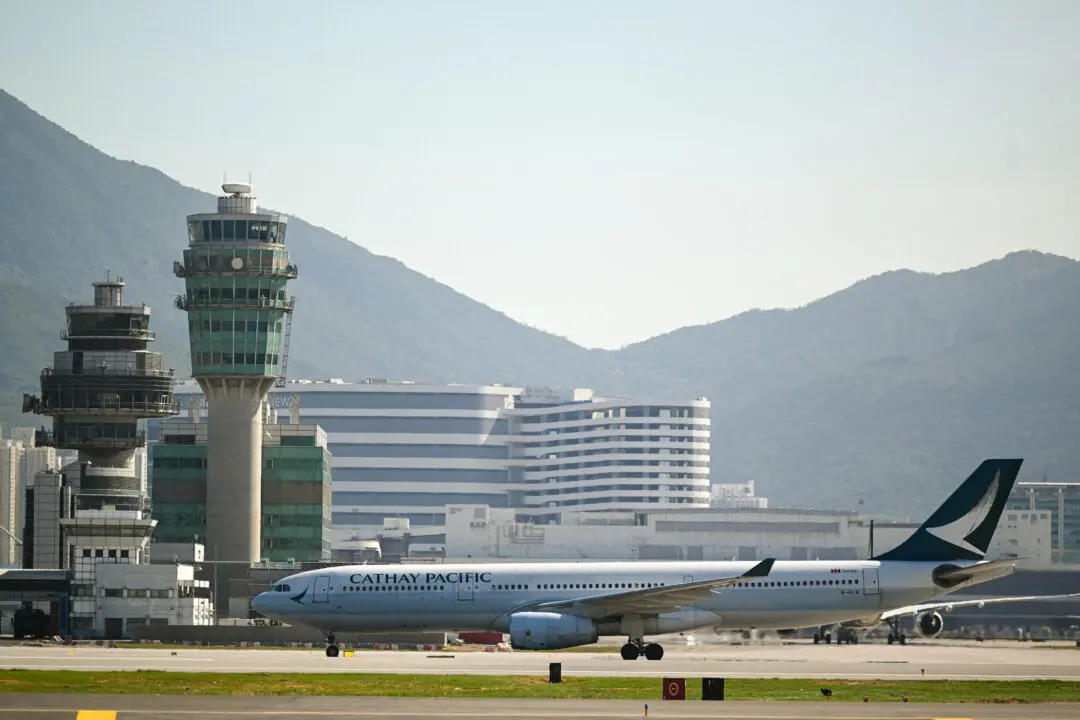
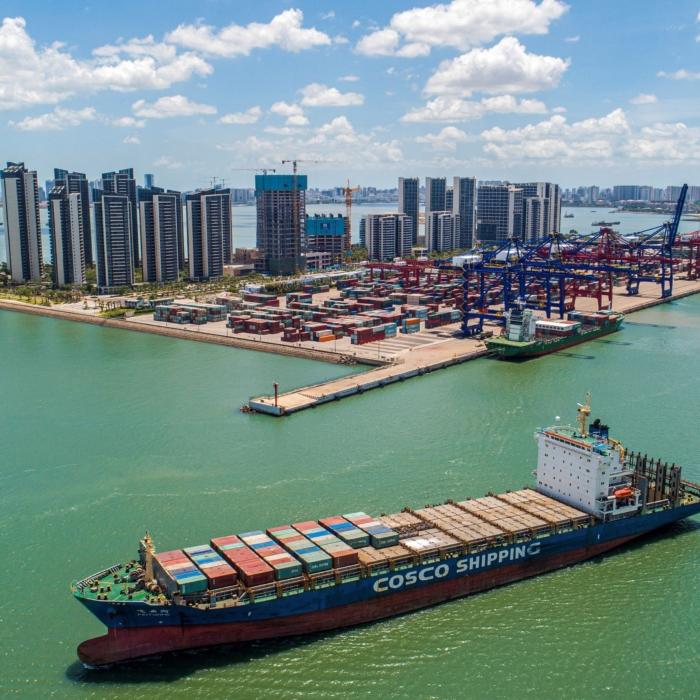
The action—which officially made Hainan Province a duty-free zone on Dec. 18, 2025—was an attempt by the Chinese Communist Party (CCP) to attract foreign investment amid a wave of withdrawals of foreign companies from China. The Hainan FTP is open to the outside world but closed off by a tariff barrier from other regions within China.
The most recent violent clash between villagers and police in the province occurred on Feb. 1 in the village of Daya in Lingao County.
A video of the conflict posted on a nonprofit rights website called Yesterday, which records group protests in China, shows riot police beating villagers with batons and shields and spraying them with pepper spray. Villagers respond by picking up stones and bricks. Amid the resulting chaos, several villagers can be seen suffering injuries and falling to the ground.
According to residents who spoke to The Epoch Times under condition of anonymity due to fear of reprisal, the villagers had staged a protest over the local government’s long-standing practices of forced demolitions, corruption, and unfair elections. After protesters intercepted a government vehicle to demand answers, authorities quickly dispatched a large number of police officers, special police, and government staff to the scene, triggering a conflict.
“[CCP officials] demolished houses without compensation. [They] forced villagers to sign blank contracts, and then demolished their houses,” said one local villager, who used the pseudonym Li Feng.
Similar violent clashes over land disputes and forced demolition have occurred several times in recent years.
Land Disputes
Li said that almost all conflicts and disputes in Hainan Province revolve around land. “We can tolerate anything, but land is truly the bottom line,“ he said. ”Now, collective land has been taken back by the state. Are we supposed to live in the street?”He said that Hainan’s management is chaotic, with village chiefs colluding with others—such as outside businesses and government officials from the mainland—to arbitrarily take away villagers’ land.
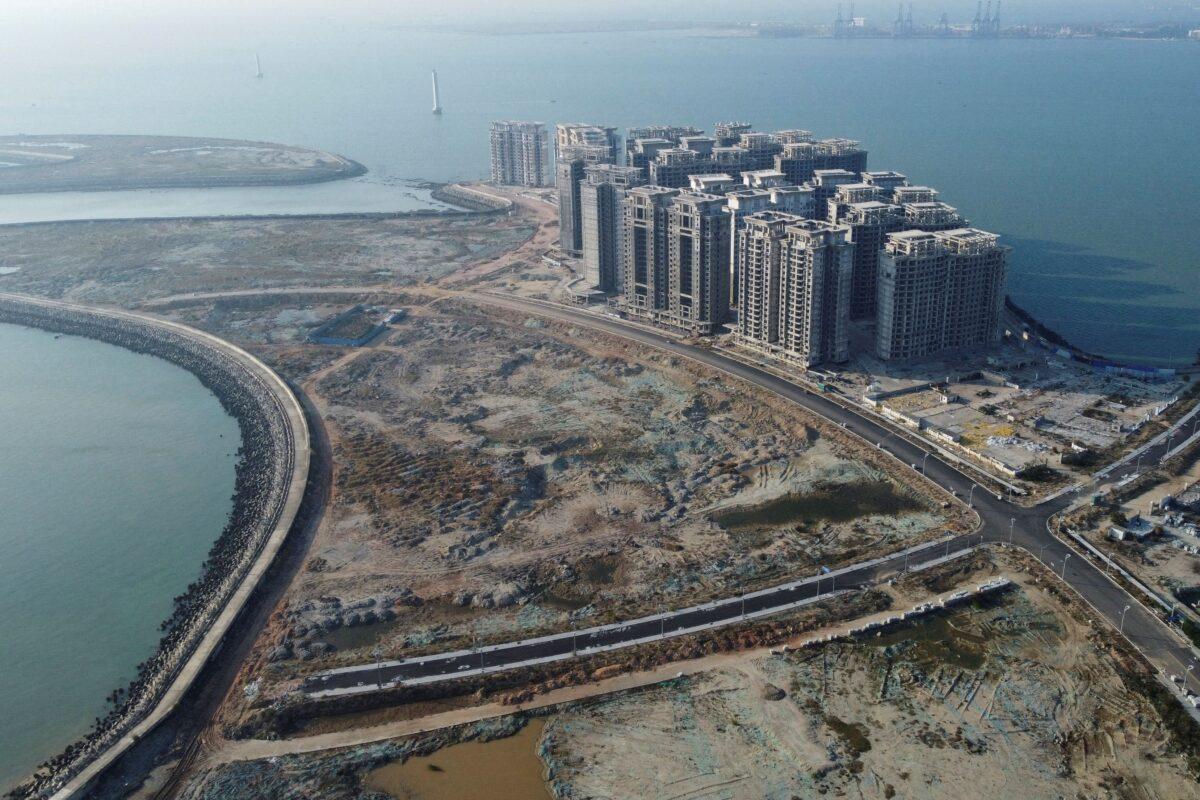
“Authorities are gradually tightening land policies. We can’t even apply for building permits for our own houses. Isn’t that considered land grabbing?” Li said. “Our ancestors worked so hard to reclaim the land, and now it has all gone to the state to develop and make money. We’re left to starve.”
Since the entire island of Hainan was designated an FTP in December, villagers have faced increased unemployment and higher living costs, he said.
“Now that it’s become a free trade port, there are many bandits coming to seize farmers’ land,” Li said, referring to CCP officials as bandits.
“Only when it’s become an FTP, the land becomes valuable. ... They take land from farmers and don’t allow them to build their houses.
“They are driving up prices, but the economy isn’t developing. Prices are high, jobs are hard to find, wages are low, rent is expensive, and life is stressful and tough.”
If the Chinese regime continues to treat people this way, Li said, the people will resent it, especially because the local population doesn’t have a strong sense of belonging to the Chinese mainland.
“If someone organizes a movement one day, the whole population will probably agree to kick the [Chinese communist] government off the island,” he said.