Rhinovirus infections have increased significantly in mainland China in recent weeks, among multiple viruses that have been causing respiratory illnesses across the country.
For a second week, rhinovirus has ranked among the top three viruses causing infections in the country, according to a weekly report on national acute respiratory infectious diseases released by China’s Center for Disease Control and Prevention on Jan. 15.
In a reminder posted on Jan. 7 on its official social media account, China’s CDC warned that the rhinovirus positive rate is rising, and there is no specific treatment or vaccine.
On Jan. 9, the country’s CDC issued a notice on how to prevent rhinovirus infection and how to differentiate it from flu.
Local health authorities, especially in southern China, such as Guangdong Province, have also issued rhinovirus warnings.
The core symptoms are nasal congestion, runny nose, sneezing, and fever.
A small number of patients may also experience tearing, photophobia, eyelid swelling, and conjunctival congestion, or pink eye. Some individuals may develop sinusitis or otitis media. Children in particular may experience more severe symptoms than adults, and may also have vomiting and diarrhea.
Currently, there are no specific medications or vaccines for rhinovirus infections; the primary focus is on nonpharmacological prevention.
Reinfection or New Virus?
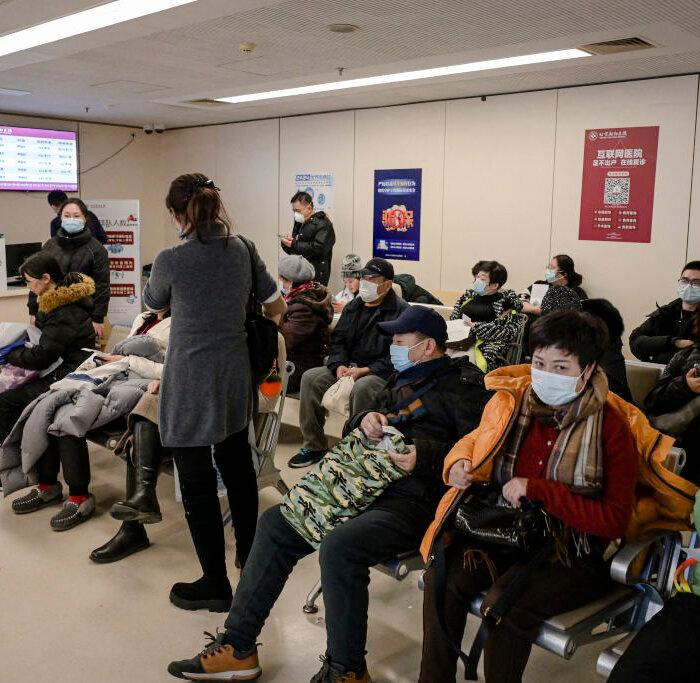
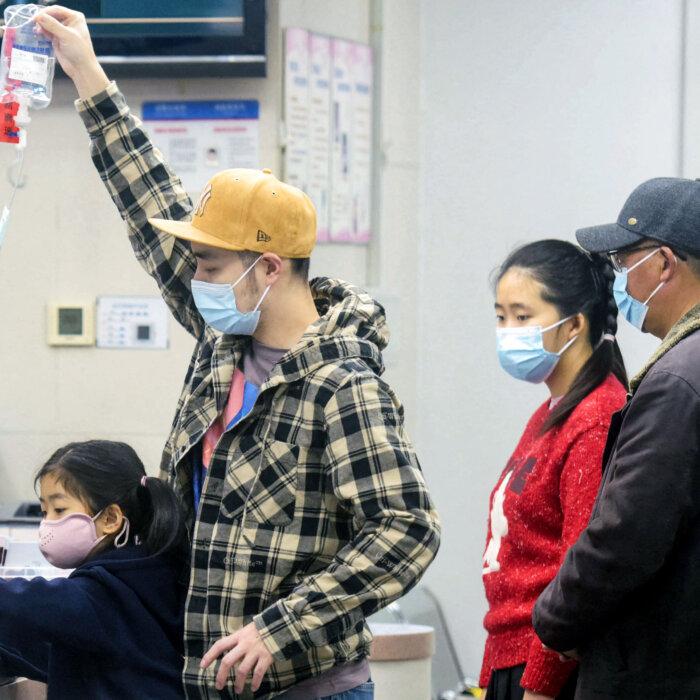
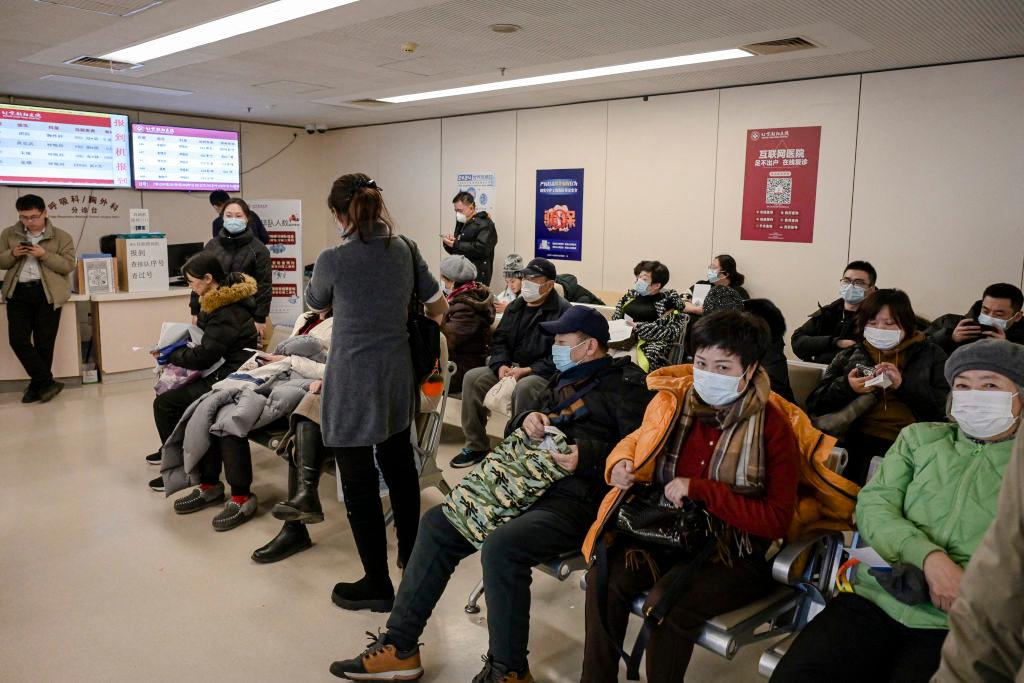
Since November, respiratory infectious diseases have been prevalent in mainland China, with patients packing hospitals.Multiple viruses that cause respiratory illnesses have been circulating simultaneously in mainland China, including H3N2 influenza virus, respiratory syncytial virus, rhinovirus, human metapneumovirus, and COVID-19, according to health authorities.
Many social media users have reported experiencing flu symptoms but are unsure which virus they have contracted.
One post said that “just after recovering from the flu in less than two weeks, I got the rhinovirus, with my nose totally congested, I couldn’t breathe.”
Another resident posted: “I have had a high fever for four days, reaching 39.5 degrees [103.1 Fahrenheit]. I tested positive for rhinovirus.”
Another post said, “I have had a running nose for four days and took medicine for flu, but it didn’t work. Is it a new virus circulating?”
Regarding the people suspecting reinfection, Dr. Hu Yang, associate chief physician of the Department of Respiratory and Critical Care Medicine at Shanghai Pulmonary Hospital, told state-owned Chinese media People’s Daily that the patients may have been infected with two viruses, and there are also some patients in the ward who are simultaneously infected with influenza A and COVID-19, all of whom may exhibit symptoms similar to “reinfection.”
Rhinovirus Impact
Rhinoviruses do not have the genetic structure of influenza, which is prone to significant mutations, nor do they exhibit the cross-species variability between humans and animals, unlike coronaviruses, Dr. Cheng Yuan-yu, a respiratory disease specialist at Shangwen Clinic in Kaohsiung, Taiwan, told The Epoch Times. “There have been no major outbreaks of rhinoviruses in history.”Since there is no specific drug for treatment, Cheng said that treatment focuses on symptoms and managing complications, such as bacterial pneumonia. There is currently no vaccine for rhinovirus, so prevention methods are the same as for other respiratory infectious diseases: maintain a healthy immune system, keep hands clean, and wear a mask, Cheng said.

Dr. Jonathan Liu, a professor at Canada Public College and director of Liu’s Wisdom Healing Center, told The Epoch Times that the sharp increase of rhinovirus infections along with other respiratory illnesses is “the result of the COVID-19 pandemic, which has weakened the human upper respiratory tract.”
He cautioned about the overuse of antiviral drugs or antibiotics in treating rhinovirus infections, since there are currently no specific effective medications.