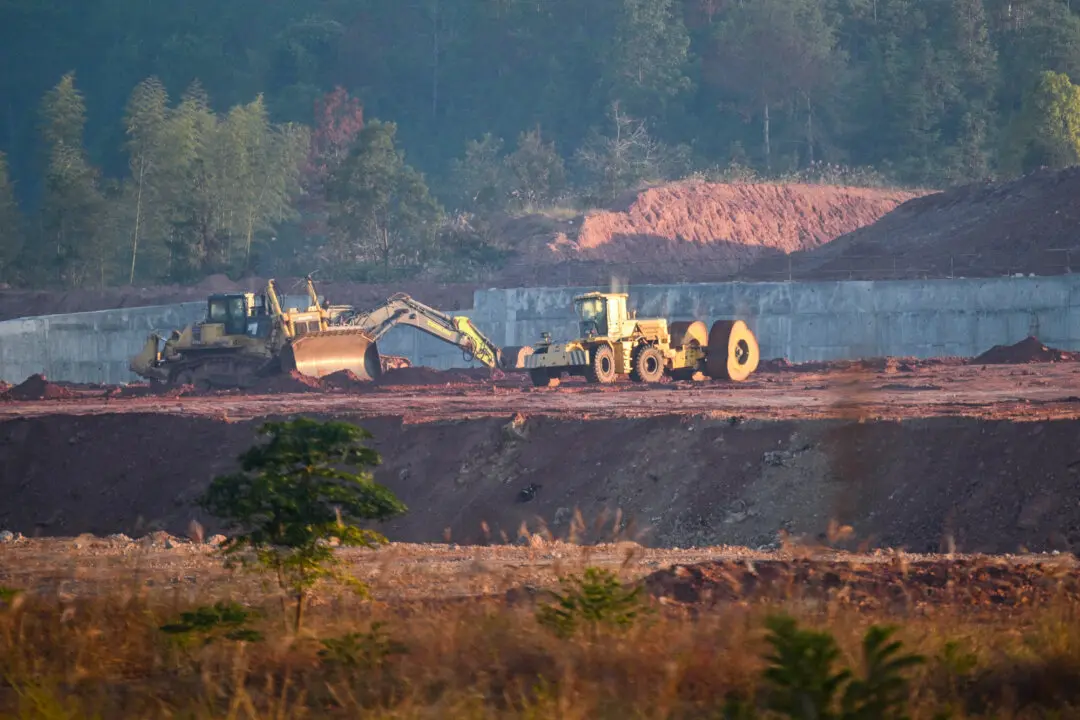
Amid China’s persistently sluggish economy, Zhejiang Province, a major production and industrial base in eastern China, is seeing a decline in trade orders as private enterprises struggle to stay afloat, according to industry professionals who spoke with The Epoch Times.
As the “hollowing out” of the private sector economy in mainland China intensifies, profit margins for industrial enterprises in Zhejiang have been under pressure since 2024, local industry insiders say.
The coastal province bordering the megacity of Shanghai is an economic powerhouse for China. It ranked fourth nationwide in gross domestic product last year, with its capital city of Hangzhou being the primary economic driver, along with other well-known commercial cities in the province such as Ningbo and Wenzhou, according to official data.
However, a large number of family-run export enterprises, which had previously served as pillars of the local county-level economies within the provinces, have had to cease operations in the face of shifting supply chains and shrinking orders over the past few years, according to Huang, an insider in Zhejiang’s textile industry who gave only her last name out of fear of reprisal from the Chinese regime.
“Profits have now dwindled to below 3 percent,” she told The Epoch Times. “Most garment factories are either operating at a loss or have gone under.”
The situation in Zhejiang has changed, Huang said.
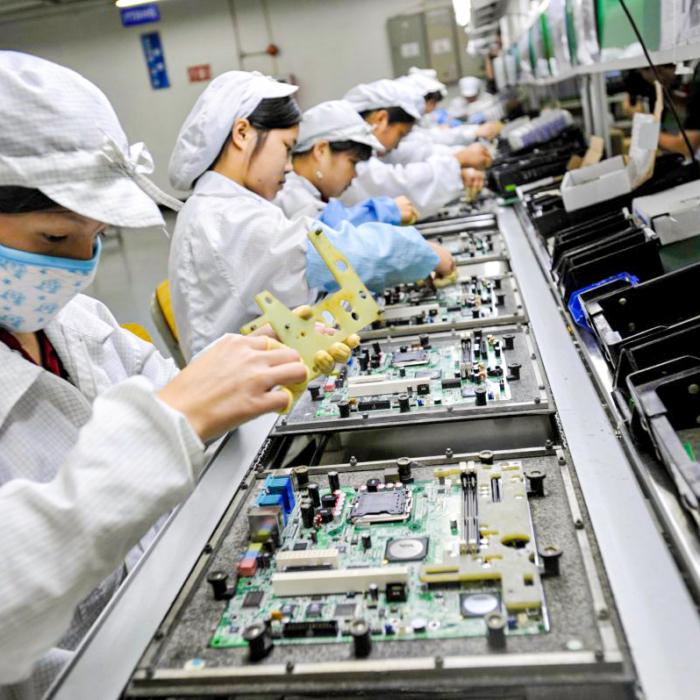

“It is no longer the profitable place it once was,“ she said. ”For many enterprises, the issue isn’t merely low profit margins—they are actually reaching their breaking point.
“Private enterprises in the Jiangsu–Zhejiang region have long been regarded as a barometer of the economy.
Inflated Economic Data
Although Zhejiang’s GDP growth rate appears relatively stable, “the reality is that fabricated data mask the grim operational realities faced by businesses on the ground,” Liu Mao, a businessman in Wenzhou who used a pseudonym out of fear of reprisal, told The Epoch Times.“Foreign-invested enterprises in China face an operating environment constrained by hostility from authorities. Meanwhile, private domestic enterprises are subjected to tax audits and heavy fines. Under such layers of systematic exploitation, it is nearly impossible for any business—regardless of its nature—to survive.”
According to official data released by Hangzhou Customs, the total value of goods trade imports and exports in Zhejiang Province reached 1.38 trillion yuan (about $201.83 billion) in the first quarter of 2026, a year-on-year increase of 7.1 percent, marking the fourth consecutive quarter in which both imports and exports have registered positive growth.
However, Liu noted that the province’s export trade figures are heavily inflated.
“According to internal data I obtained from friends within the system, this year’s export volume actually declined compared to last year,“ he said. ”It certainly did not grow by 7.1 percent.
“My friends told me that the public export data reported by various localities is rife with fraud. Some regions engage in double-reporting or filing false tax returns to swindle government subsidies, while those in higher positions turn a blind eye. This country is beyond saving.”
Layoffs and Lowered Wages
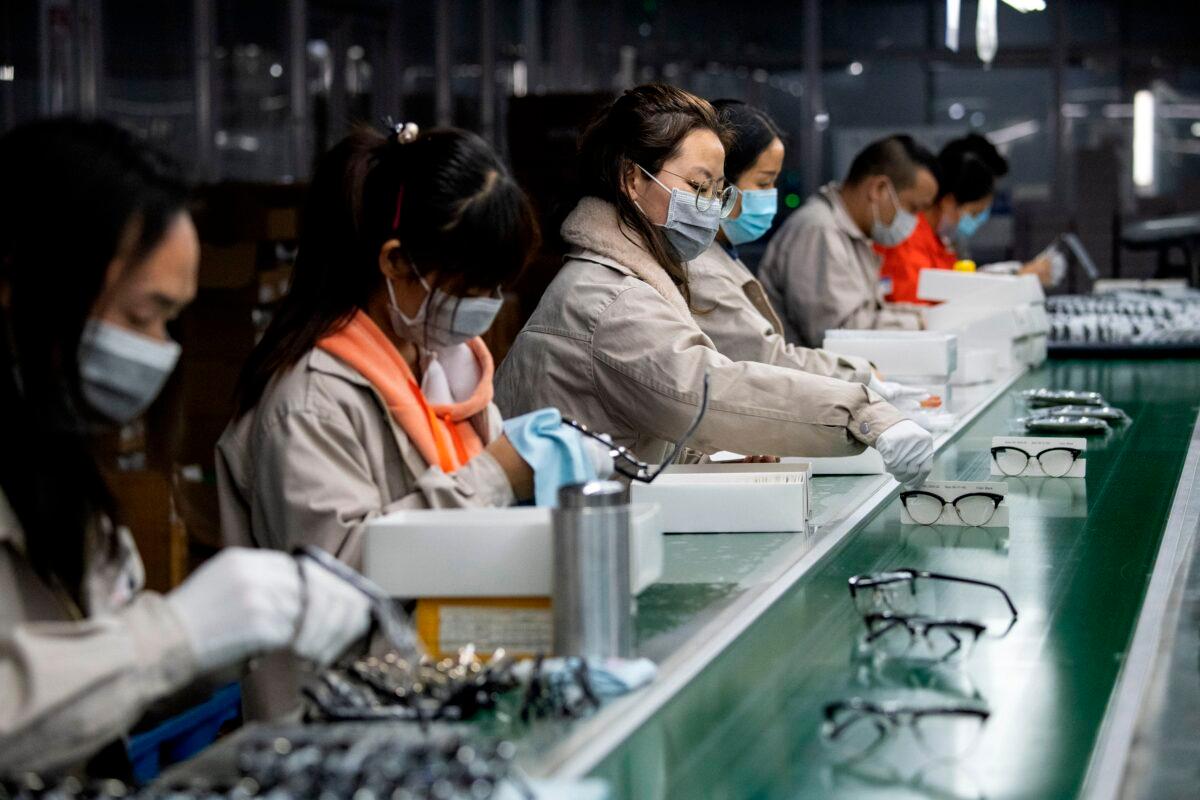
As businesses continue to struggle, workers are facing layoffs along with increasing difficulties in finding other jobs, according to local industry professionals.An Zhiqiang, who works in the electronics business in Hangzhou, told The Epoch Times that local private enterprises are all downsizing and laying off staff.
“Locals are unable to find work, making it even more difficult for people from other provinces,” he said.
“Since the spring, many of our local factories have had to halt production due to a lack of orders, and quite a few foreign-funded enterprises have pulled out as well.
“For instance, a Scandinavian company here that manufactures feed processing equipment has downsized its workforce from 80 employees to just 29, and further layoffs are expected.”
Amid the economic downturn characterized by reduced consumption and diminished purchasing power, the livestock industry’s demand for feed is also declining, resulting in sluggish sales for related equipment, according to An.
“Right now, industries across the board are downsizing,“ he said. ”The only places still hiring are essentially large foreign-funded enterprises—for instance, Japanese companies in Hangzhou. But they only recruit new staff to replace those who retire; consequently, only young applicants who aren’t afraid of hard work stand a chance.”
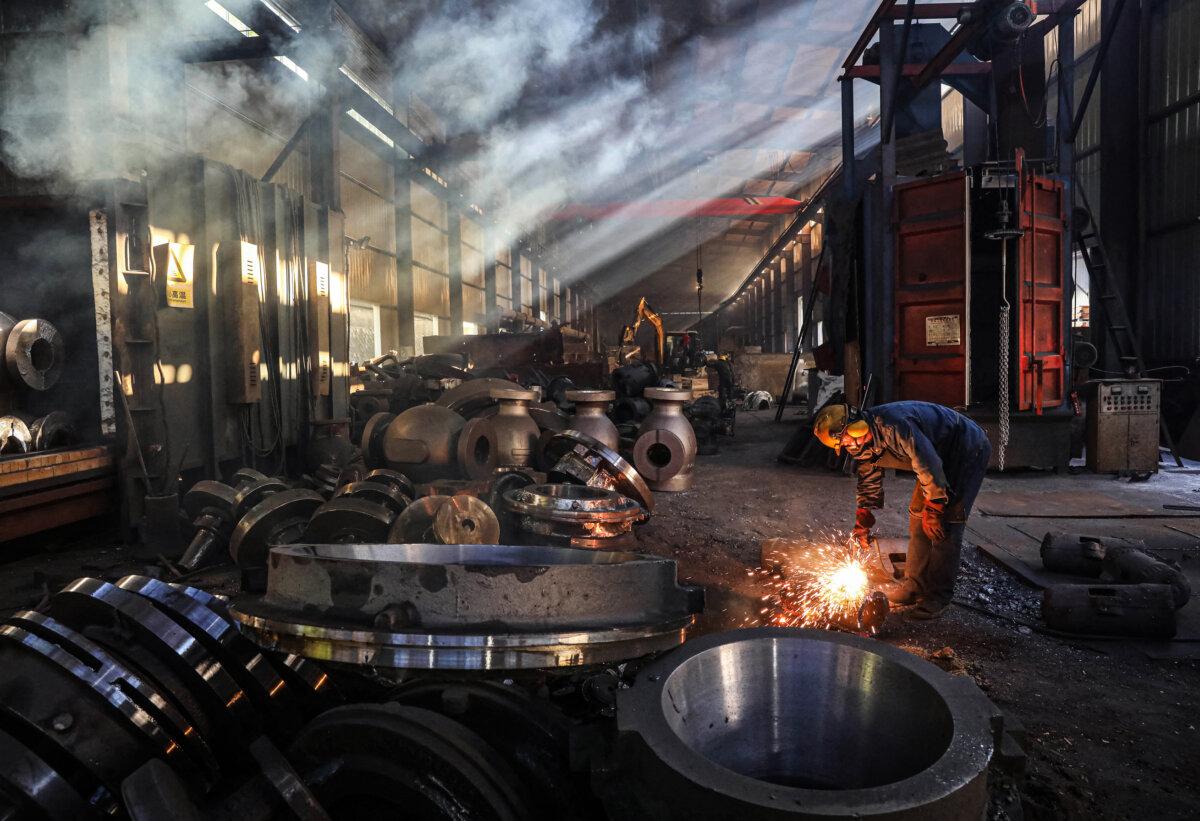
Currently, temporary workers are being paid 13 yuan ($1.91) per hour, whereas the government-mandated rate is 25 yuan ($3.66) per hour, he said.
“Although in the suburban districts of Tonglu and Chun'an, hourly rates of 22 yuan [$3.22] can still be found,” he said.
According to the latest official standards released in February, the minimum hourly wage in Hangzhou is 25 yuan ($3.66).
The current issue is not merely a shortage of jobs in Hangzhou, Liu said, “but rather that [all of] mainland China is undergoing a phase of accelerating economic downturn.”