Japan labeled China as “the greatest strategic challenge” since World War II in its 2025 defense white paper, highlighting geopolitical flashpoints as the rationale behind remilitarizing the nation.
The report covers China’s increasing military activity near Japan, reflecting broader concerns regarding Beijing’s assertive regional posture. Growing China–Russia cooperation, tensions in the Taiwan Strait, and frequent airspace and maritime incursions have motivated Japan to sound its defensive alarm.
The government report, titled “Defense of Japan 2025,” outlined the country’s national security environment and is published annually by the Ministry of Defense and submitted to the Cabinet.
According to the report, the Chinese regime has expanded its defense budget for more than 30 years “without transparency,” thereby boosting its nuclear, missile, and naval capabilities.
Chinese military activity increased near Japan, including around the “Senkaku Islands, the Sea of Japan, and the western Pacific Ocean, extending beyond the so-called ... first island chain to the second island chain,” the report states.


In August 2024, a Chinese military aircraft was recorded “intruding into Japan’s territorial airspace,” and a Navy aircraft carrier came close to breaching domestic waters in September.
Another incident in May 2025, detailed in the report, involved a helicopter that “intruded Japan’s territorial airspace after taking off from a China Coast Guard vessel ... near the Senkaku Islands.”
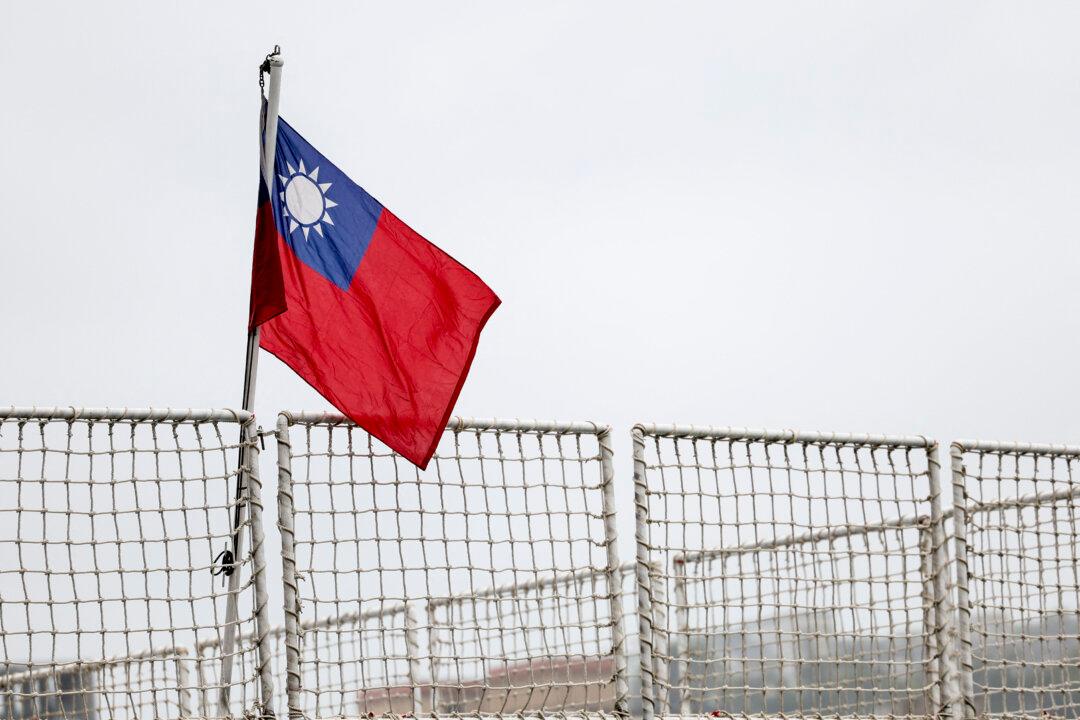
Japan believes that these activities are an attempt to normalize pressure by forcefully challenging the status quo. In Taiwan, Beijing continues high-frequency military drills, steadily ramping up cross-strait tensions toward the democratically ruled island the Chinese regime claims as its own territory.
The Chinese regime criticized the defense report, accusing Japan of promoting a false narrative.
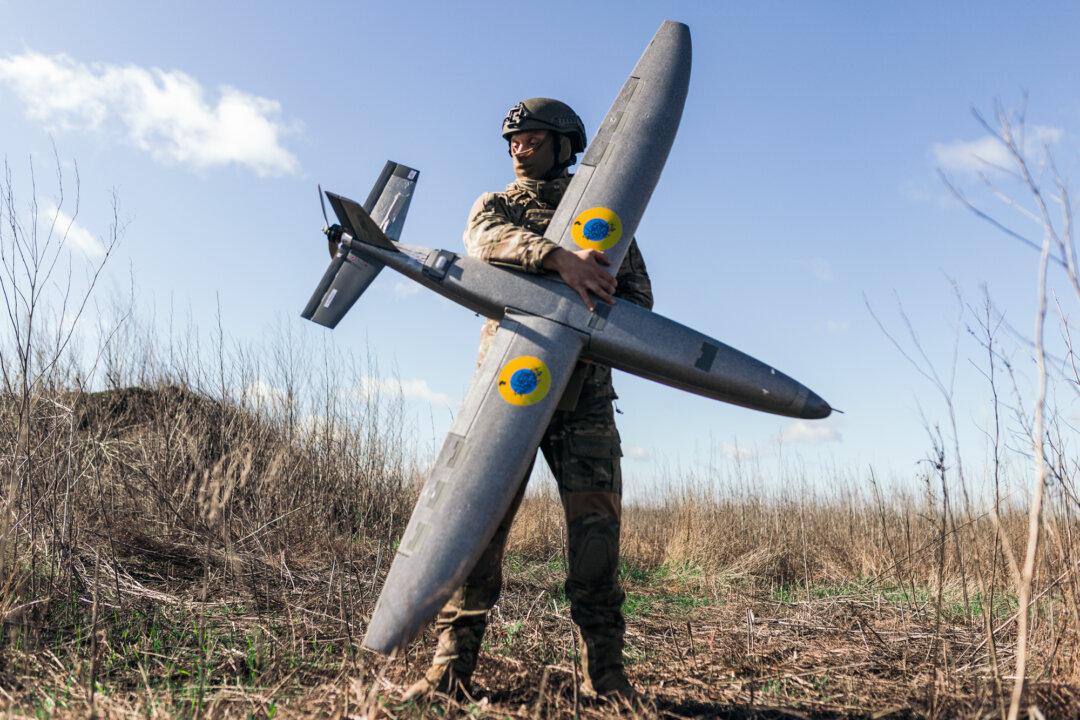
Japan is boosting its defense across seven key areas, including missile interception, cross-domain operations, and unmanned systems. A new Joint Operations Command will unify land, sea, and air forces.
The 2025 defense budget hits 9.9 trillion yen ($69 billion), 1.8 percent of GDP, with plans to reach 2 percent by 2027. Japan expressed its commitment to deepen U.S. alliance cooperation and expand defense ties with India, the Philippines, and Indonesia.
The report points to regional security threats, noting that China’s unlawful maritime claims in the South China Sea threaten freedom of navigation and pose a direct risk to Japan’s security. It also draws attention to North Korea’s missile programs and Russia’s military activity in the region, including a violation of Japanese airspace in September.
Reflecting on these challenges, Kawai Junya, a councilor of the Embassy of Japan in the United States, said, “I have come to understand firsthand the high expectations for Japan in respect of peace and stability in the Indo-Pacific region, and I am keenly aware of the enormity of Japan’s responsibility as part of the international community,” according to the defense report.
“Facing the turbulent U.S. at the front lines, I would like to do my utmost, however minor, toward achieving a ‘new golden age of Japan–U.S. relations,” he said.