Iran’s crude oil exports in May fell to a six-year low because of the U.S. blockade, while China’s imports of Iranian oil dropped to their lowest level since January 2025, according to the latest international shipping data. Meanwhile, Russia has tried to attract Chinese buyers amid a sluggish Chinese domestic economy.
Analysts told The Epoch Times that China’s consumption of oil stockpiles and oil at sea will not last, which may prompt the Chinese regime to take a more proactive stance on the Iran issue. Meanwhile, sanctions on Iranian and Russian oil may spur these two countries to take more actions that would further complicate global geopolitics.
Kpler data show that Iran’s crude exports in May were at 260,000 barrels per day (bpd), the lowest level since the period between late 2019 and early 2020, while OilX data show Iran’s crude oil exports at 350,000 bpd in May, compared with the 2025 average of 1.7 million.
China’s Iranian crude imports in May fell to 1.1 million bpd, the lowest level since January 2025, while imports of Russian crude hit 1.04 million bpd, the lowest level since August, according to Kpler data.
Iranian oil on water outside the blockade zone has fallen to about 79 million barrels from about 130 million barrels in mid-April when the U.S. blockade began, according to Kpler.
Hsieh Pei-Shiue, associate research fellow at Taiwan’s Institute for National Defense and Security Research, said two sets of data that show the difference between Iran’s oil exports and China’s imports reflect a time lag between “departure from the port of origin—and crude oil imports arriving at the buyer’s port, as well as differences in inventory.”
In May, Iran’s exports plummeted to 209,000 bpd, a figure referring to the volume of oil loaded onto tankers departing from Iranian ports. China’s imports remained at approximately 1.1 million barrels per day, likely coming from “floating storage inventories” that were shipped before the U.S. blockade and still at sea, Hsieh told The Epoch Times.
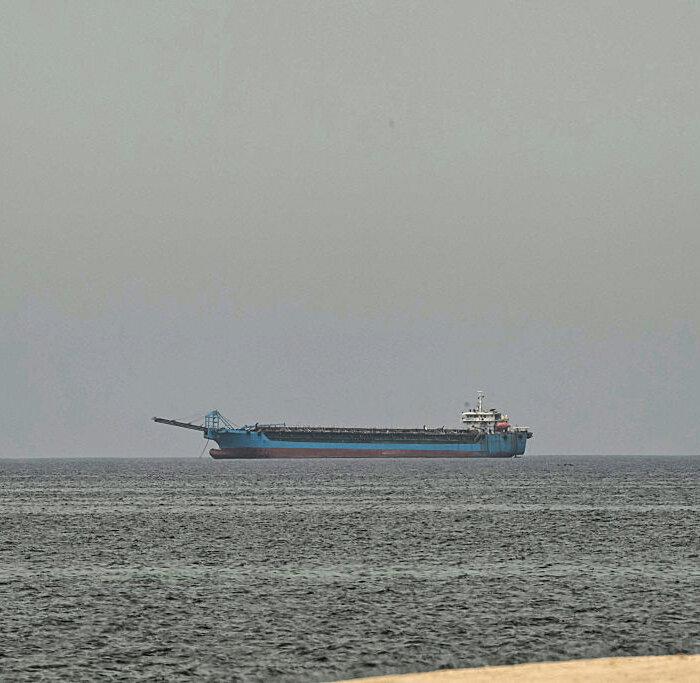
“Prior to the U.S. blockade, Iran’s ‘shadow fleet’ had already pre-positioned between 79 million and 130 million barrels of crude oil at sea, specifically off the coast of Malaysia and in waters surrounding China,” he said.
The 1.1 million bpd of Iranian crude oil that China imported in May could include cargoes loaded earlier, oil already “on water,” ship-to-ship transfers, floating storage, and cargoes relabeled as Malaysian or Indonesian, Sun Kuo-hsiang, a professor of international affairs and business at Nanhua University in Taiwan, told The Epoch Times.
China’s Teapot Refiners Cut Output
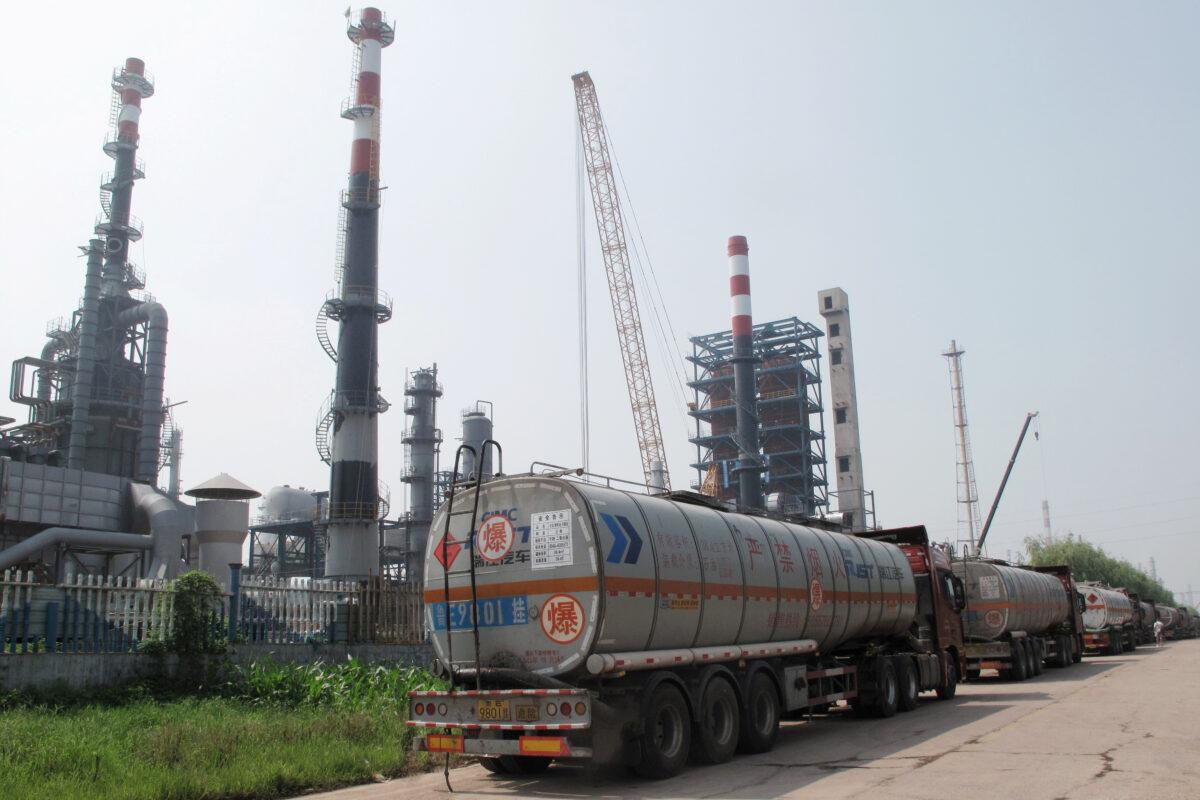
China buys 80 percent of sanctioned Iranian oil, according to public data. Specifically, the independent refiners—also known as teapot refineries—concentrated in Shandong Province in eastern China, are the main consumers of the sanctioned oil.China’s independent refineries have begun reducing output amid a persistent sluggish economy, so they are not eager to buy more oil despite the lower price and tighter supplies, according to Xu Muyu, Kpler’s senior crude oil analyst.
Meanwhile, China’s seaborne imports of crude oil slumped to their lowest level in almost 10 years in May, according to Kpler.
The primary reasons why China’s teapot refineries are currently cutting output are sluggish domestic demand and worsening margins, which are not direct results of the Iran war, Hsieh said.
“Global oil prices remain at relatively high levels due to the blockade of the Strait of Hormuz,” Hsieh said.
At the same time, Chinese authorities set price caps on domestic refined oil products, such as gasoline and diesel, he added.
“This means that independent refineries purchase relatively expensive raw materials but are forced to sell the finished products at lower prices,“ he said. ”In other words, they actually incur a loss for every ton of crude oil processed.”
In addition, China’s domestic logistics and infrastructure investment recovery remains slow, and refined oil inventories are still at high levels, Hsieh said.
“Refineries will be forced to reduce capacity utilization to below 60 percent and begin to consume the huge stockpiles built before the U.S. blockade, rather than purchasing new crude oil,” he said.
Sun summarized that China’s independent teapot refiners in Shandong Province have cut run rates not simply because “China’s economy is collapsing,” but rather because of “a combination of weak domestic oil-product demand, refinery losses, inventory strategy, and higher transport/sanctions risk.”
China is actually in a rather difficult strategic position, Hsieh noted.
“Although it benefits from discounted oil prices in the short term, its reliance on floating storage off the coast of Malaysia is not a sustainable long-term supply model,“ he said. ”Once the floating inventory that has already reached Asian waters is exhausted, China will face the risk of a supply cutoff.”
Russian Oil and Geopolitics
Meanwhile, prices of Russian ESPO, another popular grade for the Chinese independent refiners, have also lowered to a premium of about $3 to $4 per barrel to ICE Brent for June delivery, down from $4 to $5 in May, according to anonymous trading sources cited by Reuters.Since Russia’s war against Ukraine began in 2022, the European Union has banned most seaborne Russian crude and petroleum product imports, while the G7 group of leading industrial nations, the EU, and Australia have imposed a price cap mechanism that limits access to Western shipping.
The United States currently enforces a comprehensive ban on the import of Russian crude oil, petroleum products, and liquefied natural gas, but the Trump administration has issued a waiver allowing purchases of Russian seaborne oil to aid “energy-vulnerable” countries hit by the Iran war.
Russia can still export oil, but it must often offer discounts and rely more heavily on non-Western buyers, alternative insurers, and shadow fleet tankers, Sun said.
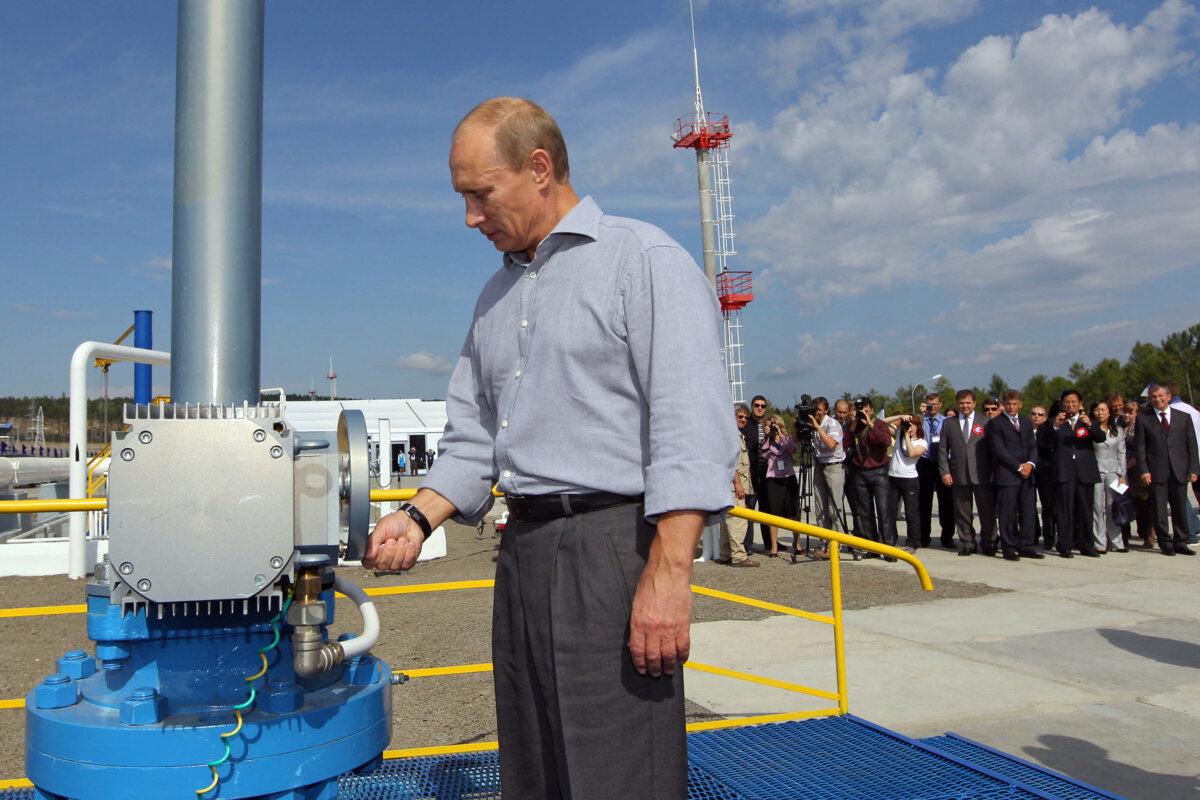
Chinese refiners can still buy Russian crude, he said.
“However, sanctions raise transaction costs, complicate shipping and insurance, and increase legal and reputational risks,“ he said. ”This is why Russia has often had to sell oil to China and India at discounted prices.”
Russian crude is attractive because it is geographically closer, cheaper under sanctions, and useful for reducing dependence on Middle Eastern supply routes and the Malacca Strait, Sun added.
For key buyers such as China, significant discounts often have to be offered to stimulate purchasing interest, Hsieh said.
As the world’s manufacturing hub and one of the largest buyers of raw materials, China naturally needs relatively cheap Russian crude oil to lower energy costs, he said.
“However, import demand remains suppressed due to the weak domestic economy,” he said.
When Chinese domestic demand is weak, refining margins are poor, and inventories are high, even discounted Russian oil may not be enough to trigger a major buying surge, Sun said.
The Japanese government had already resumed some imports of Russian crude oil in May, Hsieh noted.
“This is because the closure of the Strait of Hormuz deals a far heavier blow to Asian economies than it does to the United States,” he said. “After all, the U.S. possesses significant domestic energy production capacity.”
This compels countries such as Japan and South Korea to consider options such as purchasing Russian crude oil, Hsieh said.
“Consequently, this effectively undermines the financial sanctions the West has imposed on Russia,” he said.
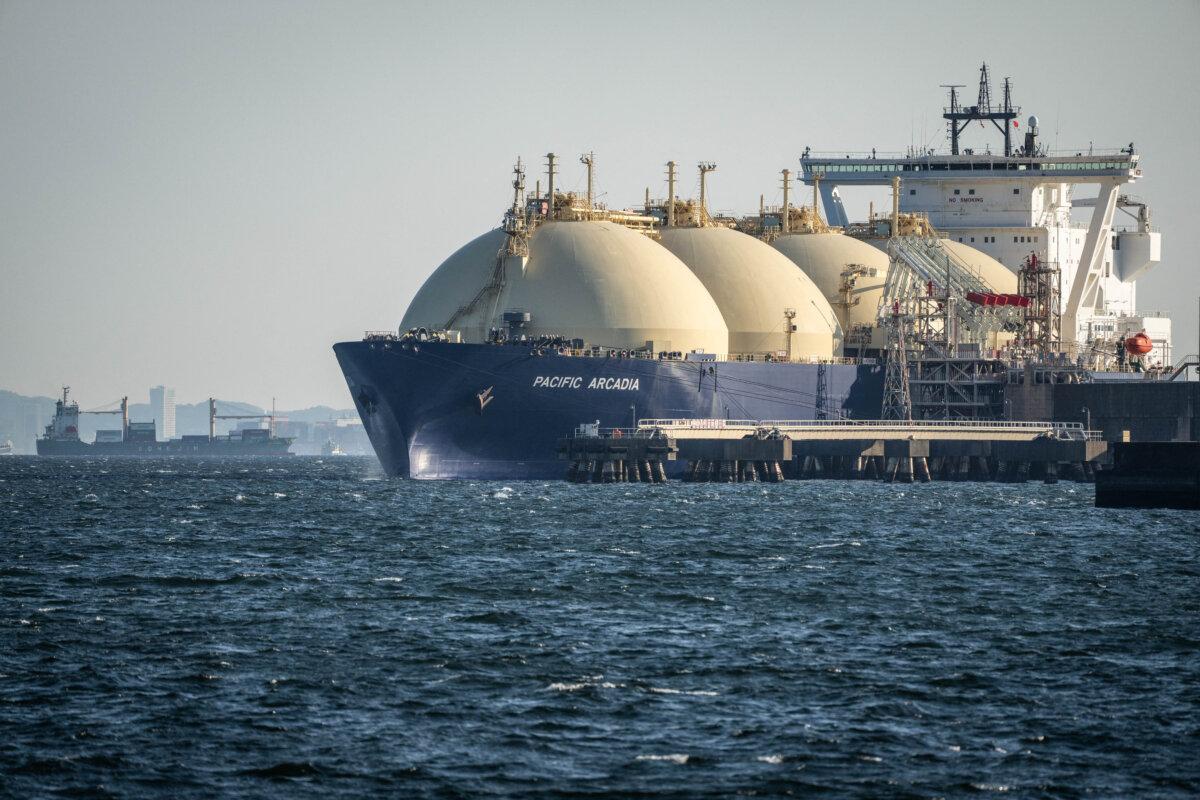
However, as a G7 member and close U.S. ally, Japan is politically constrained from returning to large-scale purchases of Russian oil, Sun said.
“Even if Middle East tensions threaten Japan’s energy security, Tokyo is unlikely to treat Russian crude as China or India do,” he said.
For international security, the danger is that lower oil income may not automatically make Iran or Russia more moderate—it can also make them more risk-acceptant, Sun warned.
“Iran, in particular, may try to compensate for economic pressure by escalating in the Gulf, using proxy forces, threatening maritime routes, or raising the diplomatic cost of U.S. and allied pressure,“ he said. ”The Strait of Hormuz becomes especially sensitive.”