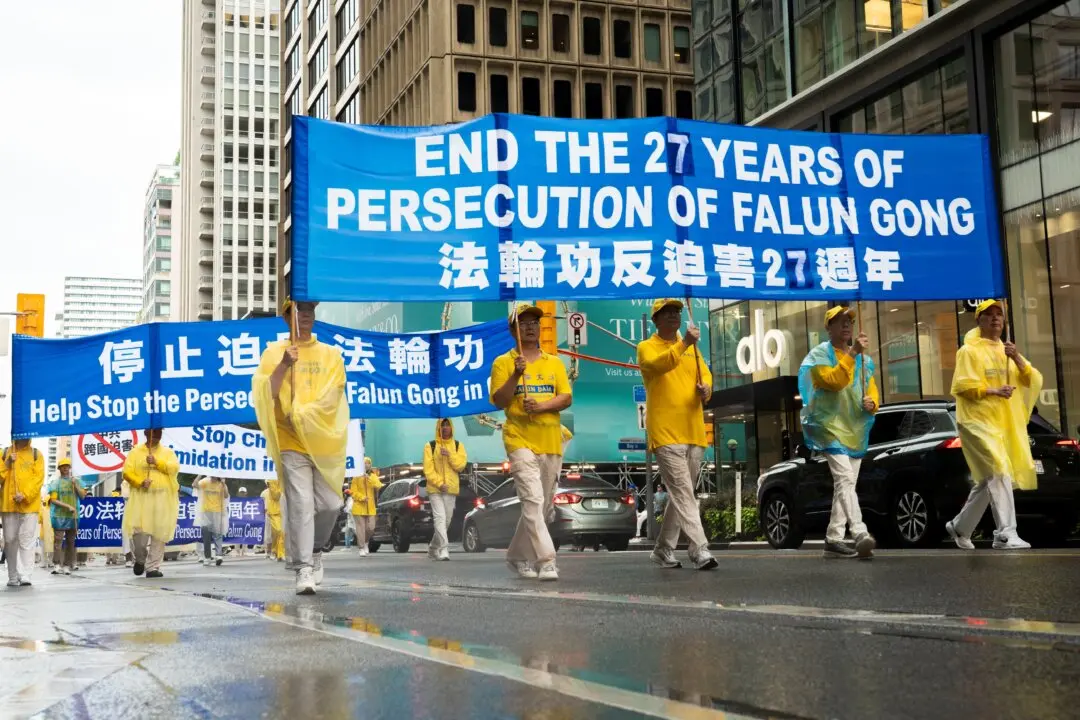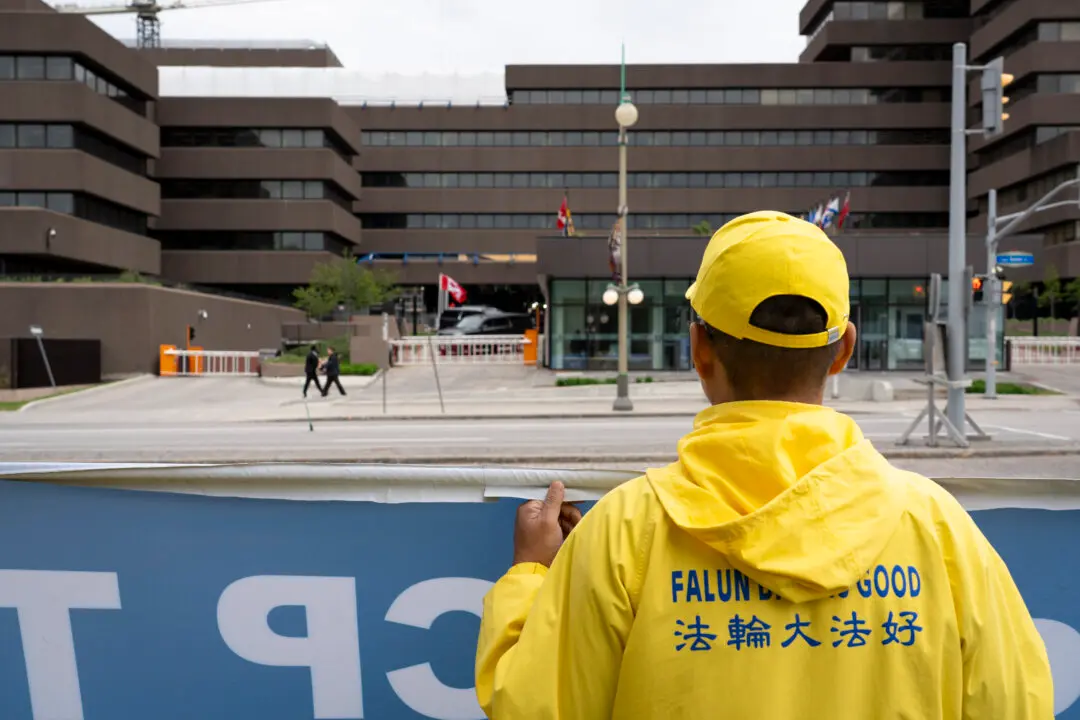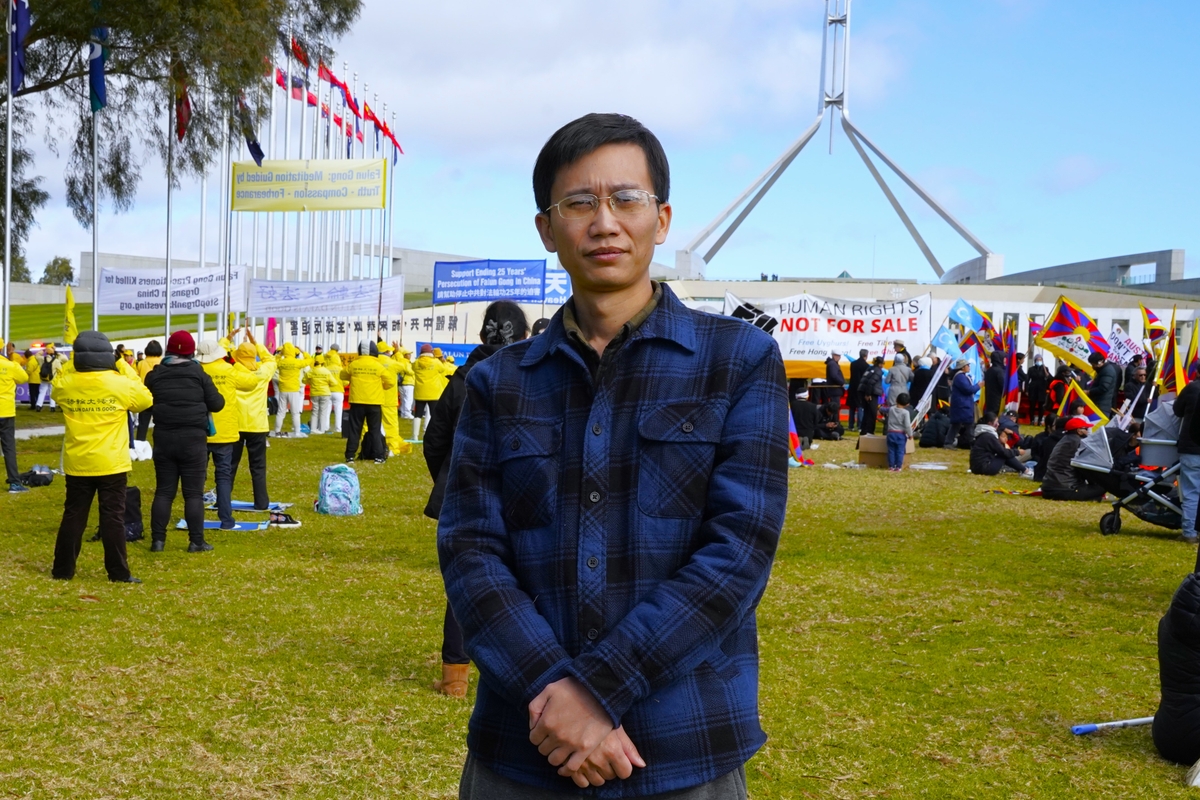

A former Chinese spy who defected to Australia says the Chinese Communist Party (CCP) continues to consider Falun Gong a priority target overseas and allocates substantial resources to monitoring and suppressing practitioners of the spiritual discipline.
The former agent, who was also in charge of monitoring a Falun Gong practitioner, defected to Australia in 2023 and goes by the pseudonym “Eric” for fear of reprisals from Beijing. He told The Epoch Times that the Chinese regime views Falun Gong as a threat to its power and spends a great deal of resources attempting to infiltrate and gather information on practitioners of the discipline.
“The CCP sees them as a major threat and devotes substantial effort to monitoring and suppressing them,” Eric told The Epoch Times in Chinese. “The CCP treats them as a priority target for infiltration and repression.”
Eric worked for China’s Ministry of Public Security for more than 10 years—from 2008 until 2022, when he was recalled to China. He says he was a pro-democracy activist and was forced to work for the Chinese regime after the CCP found out he had joined the China Social Democratic Party. Eric said he defected to Australia when the conditions allowed.

Top Target
Chen Yonglin, another former Chinese spy, and Hao Fengjing, a former officer with China’s security apparatus, said in 2005 there are 1,000 Chinese espionage operatives in Canada, and that they are primarily engaged in harassing Falun Gong practitioners and stealing commercial secrets. Both Chen and Hao have defected to Australia.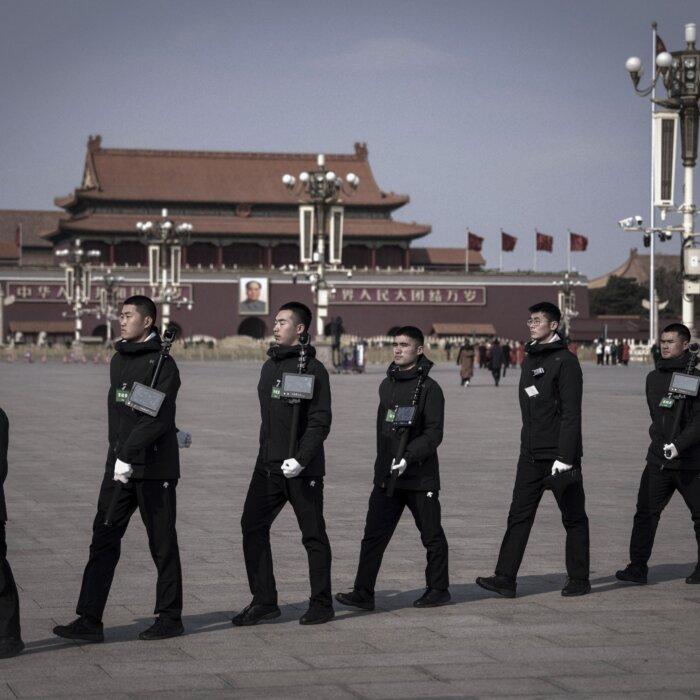

Chen testified before a subcommittee of the U.S. Congress in 2005 and said the “war against Falun Gong is one of the main tasks of the Chinese missions overseas” and the “priority” task of the Chinese consulate.
The Falun Dafa Infocenter says practitioners within China distribute informational materials, document and relay accounts of abuses to contacts overseas, and pursue petitions and legal complaints despite the risks involved.

Wide Reach
Eric said his monitoring of Falun Gong practitioner Li’s case deepened his understanding of the CCP’s efforts to persecute Falun Gong practitioners overseas. As an example, he noted that Li possessed sensitive materials, including photographs, that had been shared with very few people, if any, but CCP agents were somehow able to obtain them.“That shows the CCP’s suppression of Falun Gong remains quite severe, and that its penetration into Falun Gong circles on platforms such as Twitter is quite deep—whether through technical means or by sending infiltrators to embed themselves,” Eric said, adding that the CCP’s ability to infiltrate the lives of dissidents like Falun Gong practitioners is “a serious situation.”
Eric said that while it’s hard to know exactly how many overseas dissidents, including Falun Gong practitioners, the CCP is monitoring through its global espionage network, their objective is to reach every dissident.
“They can’t possibly monitor everyone. But their objective—in their own words—is to make the Party’s ‘eyes’ reach every overseas Chinese individual,” he said, adding that there are “very few gaps” when it comes to monitoring those the CCP deems important or “worth monitoring.”