Chinese internet users are increasingly turning to social media platforms outside China to document violent attacks and public disturbances that are quickly censored by the Chinese Communist Party’s (CCP) strict online censorship regime, according to observers who spoke to The Epoch Times.
Censorship Pushes Information Overseas
One Chinese emigrant told The Epoch Times that the growing migration of information to non-Chinese platforms indicates both growing public frustration and the limits of Beijing’s censorship.“[The regime] keeps deleting posts and banning accounts, but more people are now sending information directly overseas,” said Wang Zhouxiang, a retired expat living in Europe.
The phenomenon became particularly evident after China’s May Day holiday, as a surge of videos capturing public disturbances started appearing on X and Telegram.
Wang said that many Chinese netizens have developed ways to bypass censorship by sharing information with overseas independent content creators who are not controlled by the CCP.

Signs of economic stress and emotional strain have also surfaced in viral videos unrelated to violence.
On the same day as the Zhejiang incident, another video from Sichuan Province circulated widely on X. It shows a rural Chinese migrant worker sitting on the street, breaking down in tears, and repeatedly saying, “I really have no money, not a single cent left.”
Another video, filmed in Jiangsu Province, shows a young man dressed as Zhang Jue—the leader of the ancient Yellow Turban Rebellion, a massive peasant uprising against the Eastern Han Dynasty, fueled by famine, high taxes, and corruption—shouting slogans associated with rebellion and dynastic collapse.
Economic Pressures Fuel Online Anger
A Chinese scholar, speaking to The Epoch Times on condition of anonymity for fear of reprisal, said that many young people in China are struggling to find work, while unemployment among middle-aged workers has become increasingly severe, even though state media attempt to downplay the situation with limited coverage of the topic.“When people share these videos online, they are often venting their dissatisfaction,” the scholar said. “But those emotions are not allowed to be expressed publicly. If people suppress anger for too long, problems eventually emerge.”
He said tighter censorship may actually heighten public interest in such sensitive incidents.
“The more information is blocked, the more people want to share it,” the scholar said.
Another case that gained attention online involved the death of a 15-year-old girl in Chengdu city, Sichuan Province.
On May 5, posts circulating on X claim that the teenager had been forced to accompany regime officials to an event arranged by a school principal, after which she was allegedly drugged and sexually abused before falling to her death from a 34-story building.
Chat logs, videos, and online allegations related to the case spread rapidly on X, while searches for the incident returned no results on Chinese social media.
An online activist in China, who also spoke to The Epoch Times on condition of anonymity, said the CCP has intensified censorship in recent years, including deleting accounts, tightening VPN restrictions, and expanding controls over online discussion.
“Anything that could trigger public anger, panic, or discussion about reality is removed quickly,” he said.
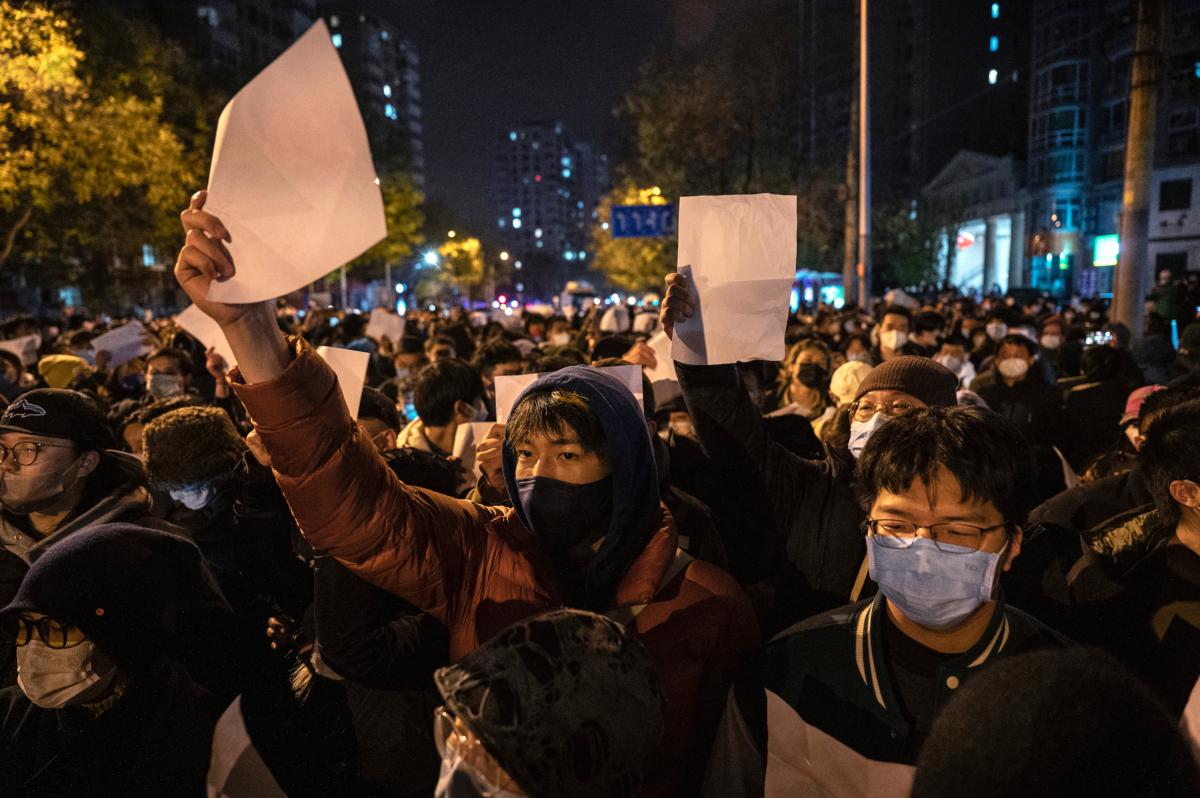
According to the activist, many Chinese netizens and online activists post videos on X and Telegram channels to tell the world what is really happening in China.