The scale and depth of the clampdown are unprecedented in modern China, suggesting a crisis that goes well beyond routine anti-corruption efforts.
At the center of the academic fallout are China’s two most prestigious scientific bodies—the Chinese Academy of Sciences (CAS) and the Chinese Academy of Engineering (CAE)—whose members hold lifetime appointments considered the country’s highest scholarly honor.
Typically, such titles are revoked only in cases of serious criminal wrongdoing or academic misconduct. Over the past three years, at least ten academics with backgrounds in defense research have been removed.

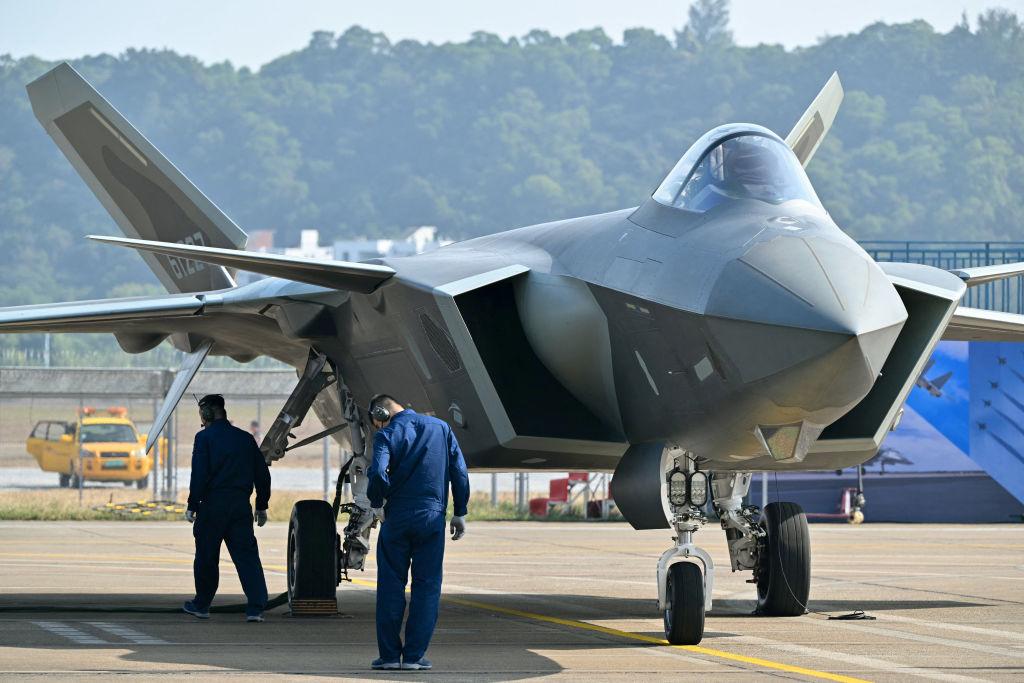
Those ousted include prominent figures tied to some of China’s most sensitive weapons programs, such as nuclear arms development, advanced conventional weapons, missile systems, and stealth fighter technology.
Many of these individuals held senior roles in major state-owned defense conglomerates, underscoring the close integration of China’s military, industrial, and research sectors.
The Chinese Communist Party’s (CCP) anti-corruption campaigns also rocked the regime’s sprawling network of state-owned defense contractors, which dominate sectors ranging from nuclear technology to aerospace, shipbuilding, and military electronics.
The purge has not been limited to defense firm executives.
Concerns Over Military Capabilities
This wave of military purges started from the Chinese military’s Rocket Force, which manages the regime’s nuclear and conventional missile arsenal.Despite the purges, analysts say it fails to root out corruption within the CCP’s system.
Hsieh Pei-Shiue, a research fellow at Taiwan’s Institute for National Defense and Security Research (INDSR), told The Epoch Times that removing military leaders and defense firm executives is unlikely to resolve the regime’s systemic corruption.
“State-owned enterprises monopolize all military contracts. There is no competitive mechanism, no independent oversight of procurement, and the system operates in a highly closed environment,” he said. “No matter how many people are replaced, the problems remain. China’s defense industry is caught in a vicious cycle.”
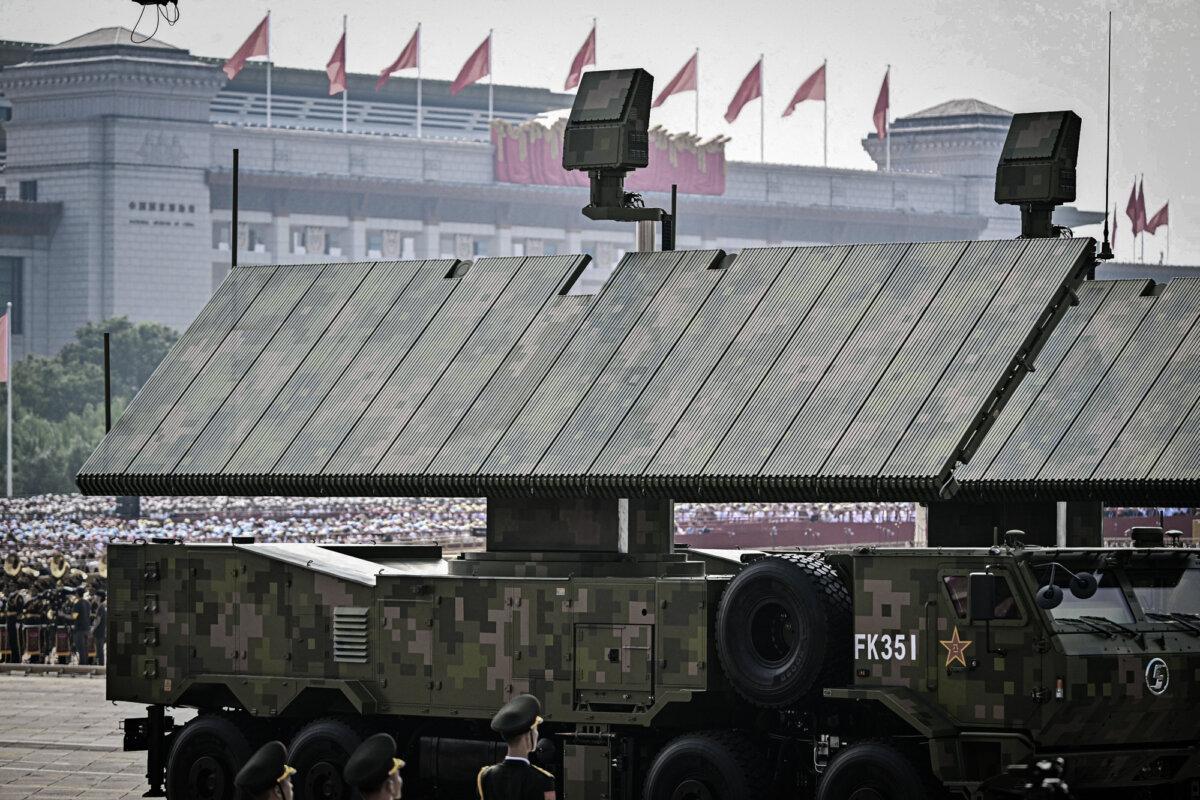
Beyond corruption, some analysts suggest the crackdown may reflect an effort to address operational weaknesses stemming from the underwhelming performance of Chinese-made weapons systems overseas.
Analysts say such incidents could have prompted the CCP to reassess the reliability of its defense technology and hold manufacturers accountable.
Shen Ming-shih, another researcher at the INDSR, told The Epoch Times that recent events—including the U.S. operation earlier this year to arrest then-Venezuelan leader Nicolás Maduro and the more recent joint U.S.–Israeli strikes on Iran—suggest that Chinese-made air defense systems have failed to perform effectively.
He said the CCP may now be tracing responsibility back through the defense sector, a move that could further expand the ongoing purge of the military-industrial complex.