A widening anti-graft crackdown on Chinese state bankers threatens to collapse Beijing’s Belt and Road Initiative (BRI) and worsen the country’s already grim economic outlook, experts warn.
Ouyang Weimin, former president of the China Development Bank (CDB), is under investigation, China’s Central Commission for Discipline Inspection and the National Commission of Supervision announced on July 19.
Ouyang is suspected of “severe disciplinary and legal violations,” the Chinese regime’s two main anti-corruption bodies said.
The agencies did not disclose details of his alleged offenses.
Ouyang worked at the People’s Bank of China from 1991 to 2011, according to the official mouthpiece of the Chinese Communist Party (CCP), People’s Daily Online.
He later served as vice governor of Guangdong before joining CDB in 2019 as president and deputy party secretary, posts he held until 2023.
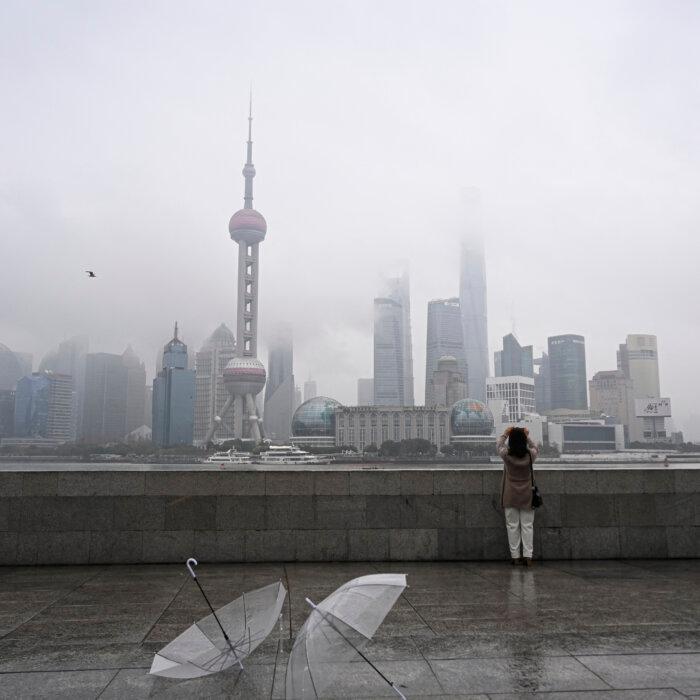
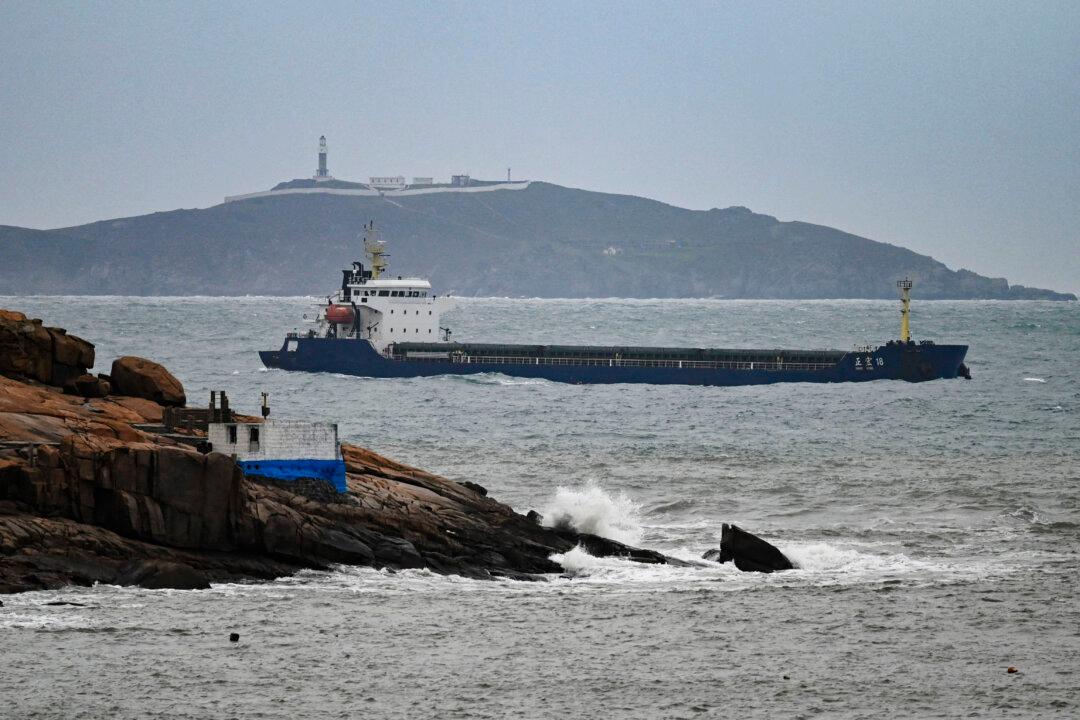
The CDB is a core financier of China’s BRI—largely a trade and investment bloc designed to counterbalance Western economic dominance—and overseas infrastructure projects, per Chinese state media outlet Xinhua News Agency.
Multiple bank executives at CDB have come under scrutiny over the past year, including Wang Xuedong, a former senior expert placed under investigation in October, and Qin Mengzheng, a former executive committee member and senior expert expelled from the party in November.
‘High-Risk Industry’
Wang Guo-chen, an associate research fellow at Taiwan’s Chung-Hua Institution for Economic Research, said the sweeping purge of executives at CDB exposes a massive crisis in China’s financial sector.
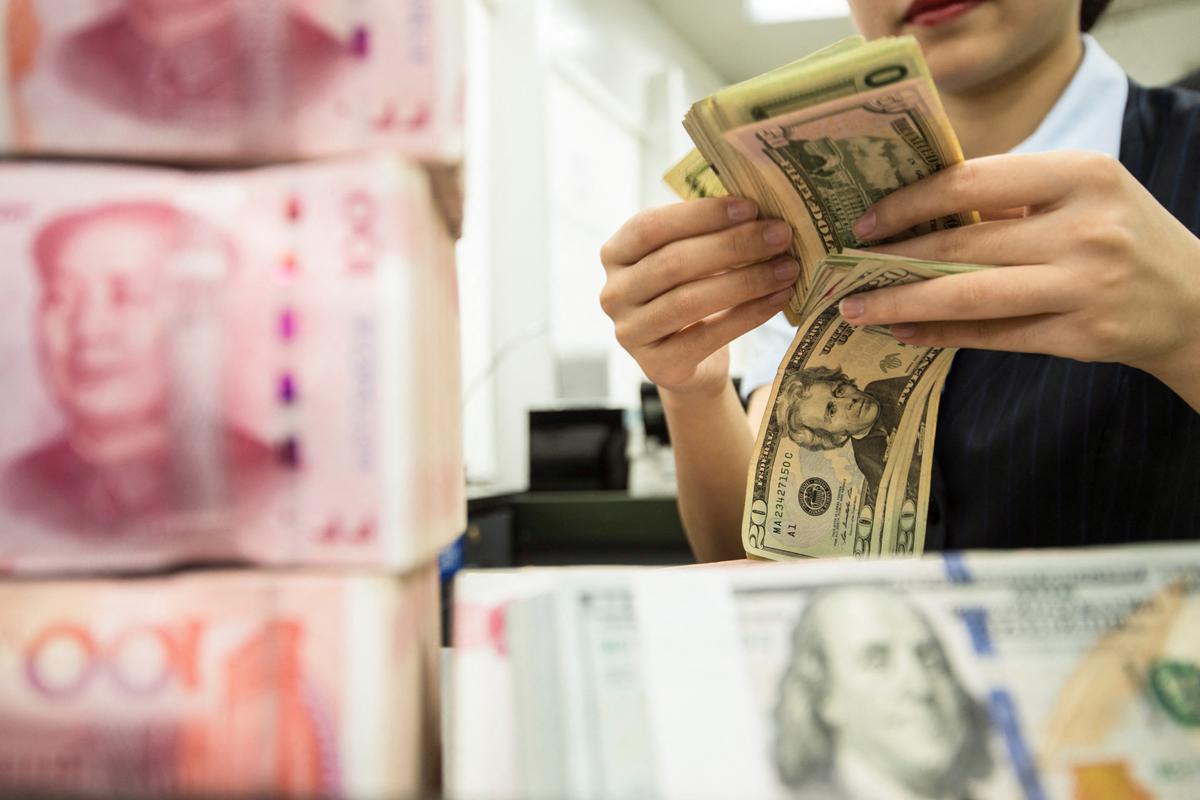
“China’s consumer loan defaults have soared to record highs, reflecting the sheer scale of the country’s bad debt,” Wang told The Epoch Times.
“Beijing’s move against financial officials appears aimed at addressing these defaults, but the approach could trigger further instability.”
Wang said that China’s leadership forces bankers to keep failing companies afloat, yet targets them when those mandated loans inevitably go sour.
These “contradictory demands make the Chinese financial sector a high-risk industry,” he said.
“Political rivals can weaponize these lending records at any time to remove opponents.”
BRI Crisis Deepens
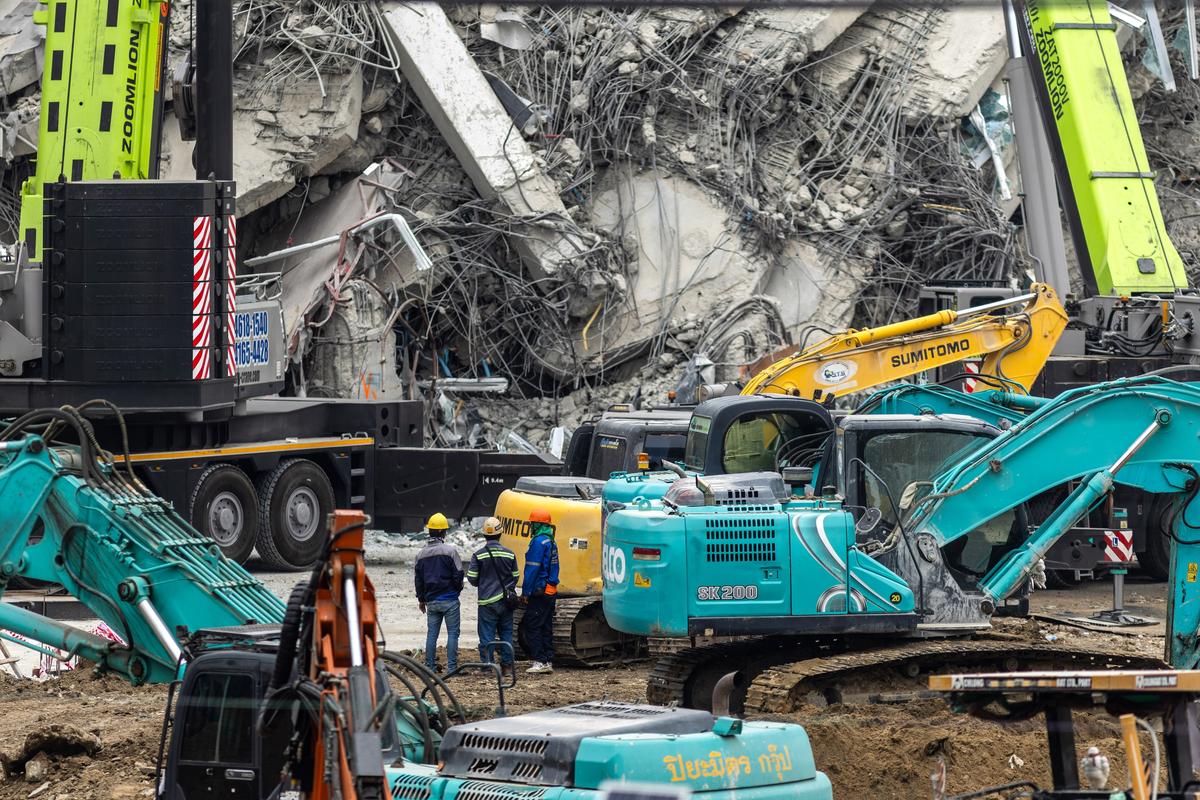
“Beijing probably discovered severe corruption, prompting the ongoing investigation into overseas investments and projects,” Wang said.
Wang said the crackdown is linked to the bleak state of China’s economy and the government’s attempt to confiscate illicit income.
“China can no longer afford to fund projects that merely enrich crooked officials, so it is scrutinizing these ventures to claw back the money, stop the bleeding, and cut losses,” he said.
Antonio Graceffo, an Epoch Times contributor and author of “Beyond the Belt and Road: China’s Global Economic Expansion,” said that with BRI loans already in distress, the ongoing anti-graft campaign will only accelerate the initiative’s collapse.
“Fifty to 70 percent of BRI projects never generated revenue, so then the borrowers are not able to pay them back,” Graceffo told The Epoch Times.
“This [crackdown] just adds to that, so you wind up with a country with a half-built highway or a dam.”
Over the long term, Graceffo said the clampdown will only deepen these existing troubles, leaving the BRI falling far short of the success Beijing claims and driving it toward outright failure.
“The BRI will never be completed in any reasonable fashion,” he said.
“China can claim success anytime, but reality is money is basically wasted.”
Sluggish Economy
Graceffo said the mounting investigations create a severe chilling effect for Chinese financial executives, adding a layer of political uncertainty that is ultimately driving away foreign capital in China.
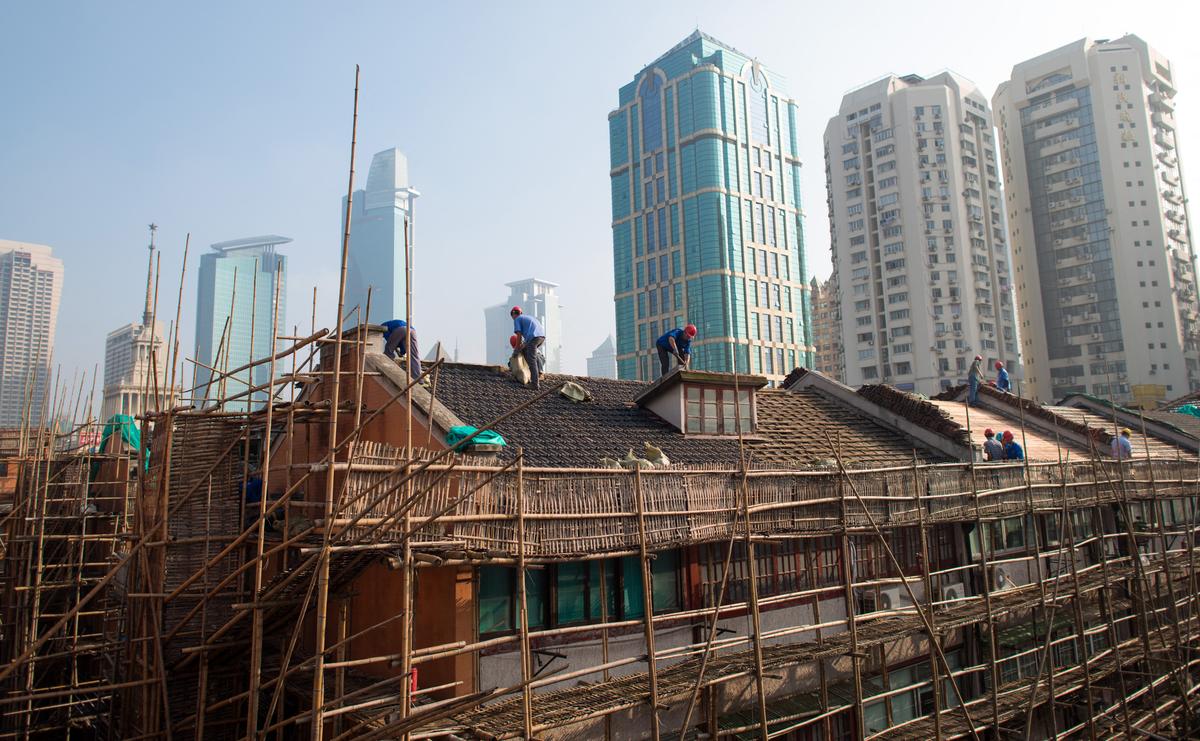
“When foreign investors assess risk in China, they really have to consider now this is one more risk,” Graceffo said.
“Loans are given but they can’t be recovered, or the person who gets the loan gets arrested.”
China’s foreign direct investment fell 8.6 percent year on year to 327.29 billion yuan ($48.03 billion) from January to May in 2026, according to China’s Ministry of Commerce.
Wang said the ongoing ousters will drive state financial leaders to avoid taking risks, further paralyzing the banking sector’s role in propping up growth.
“Bank executives have long served as scapegoats for state-mandated lending, a problem that has persisted for years,” he said.
“Under these circumstances, Chinese financial institutions will carry out Beijing’s demands at the bare minimum, leaving the financial picture grim.”
“Since Xi is unlikely to name a successor, promotion prospects for key bank executives remain stalled, so they have little incentive to push stronger fiscal policies,” he said.
“With these executives feigning compliance, the effectiveness of China’s stimulus measures will be undermined.”
Wang said the regime’s expanding demands on banks are dragging on the country’s broader economic prospects.
“This vicious cycle will trigger acute problems in China’s monetary liquidity, fiscal health, and overall economy,” he said.