The UK’s recent nationalization of Chinese-owned British Steel could trigger a Western domino effect to safeguard critical supply chains and slash economic reliance on China, experts say.
British Steel’s former parent company, Jingye Group, a Chinese steel conglomerate with close ties to Beijing, claimed in a July 19 statement that the British government “unlawfully expropriated Jingye’s assets.”
The company demanded that London “provide prompt, adequate and effective compensation for all losses suffered by Jingye in respect of its investment.”
China’s Ministry of Commerce weighed in on July 17, stating it supports Jingye using legal channels to defend its rights.
It said that Beijing will “take robust measures to firmly safeguard the interests of Chinese enterprises.”
The pushback follows London’s July 16 announcement that it has taken British Steel into public ownership.
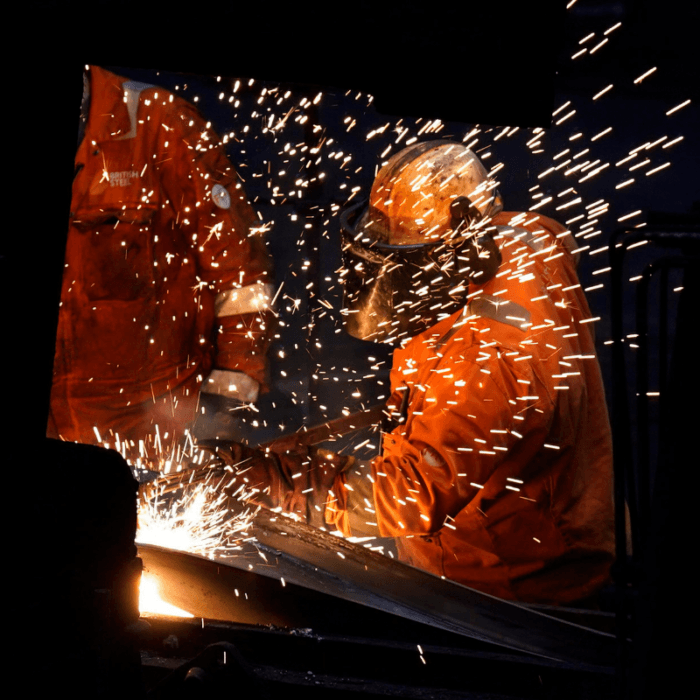

The decision will help to “safeguard supply chains, major infrastructure projects and national security,” the UK government said in a statement.
In May 2019, British Steel was forced into bankruptcy because of its financial challenges, according to a government announcement.
Jingye acquired the company in March 2020.
By the end of 2023, British Steel reported 1.04 billion pounds ($1.39 billion) in liabilities, with 736 million pounds ($984 million) owed to its Chinese parent company, per a UK Parliament briefing.
‘Domino Effect’
Lin Tzuli, director of the Center for China and Regional Development at Taiwan’s Tunghai University, said the nationalization reflects a broader shift in British and European policy toward the Chinese regime.
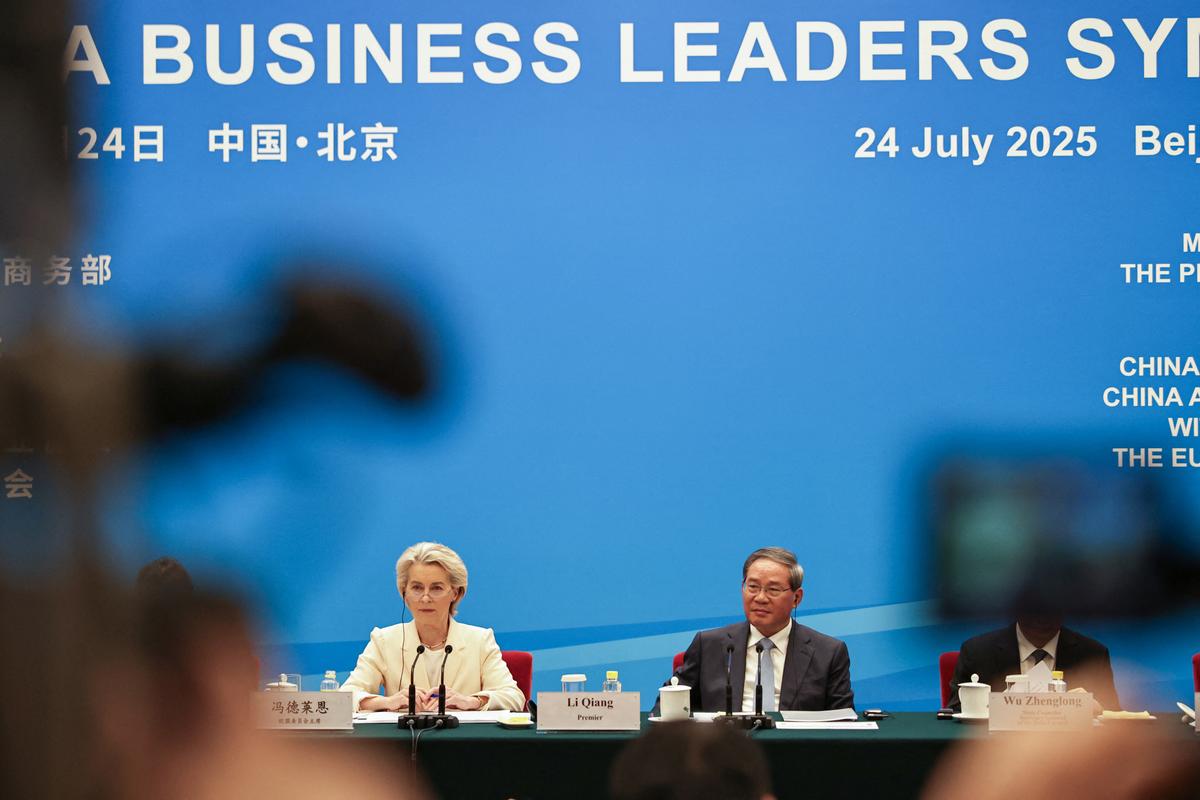
“From Beijing’s perspective, if more European countries restrict Chinese investments over national security, it could disrupt Chinese companies’ long-term expansion in Europe,” Lin told The Epoch Times.
Lin said the steel industry carries strategic weight far beyond ordinary commodity trade, given its role in underpinning national defense, infrastructure, and energy facilities.
“China’s biggest fear is that the UK’s intervention to reclaim a Chinese-controlled company will trigger a domino effect,” he said.
Shen Ming-shih, research fellow at Taiwan’s Institute for National Defense and Security Research, said Beijing sought to leverage the company to overcome its own industrial shortcomings and broaden its global footprint.
“British steel technology is highly mature and serves as a crucial material for manufacturing advanced weapons,” Shen told The Epoch Times.
“If China secures this critical know-how, it could not only destabilize the UK market through massive dumping, but also squeeze the high-end supply chains of other nations.”
Retaliation
Shen said London is unlikely to reverse its decision, a stance that could provoke a severe backlash from Beijing.
“China is already imposing export controls on rare earths in various countries, and it could level similar measures against the UK,” Shen said.
“Because rare earths are critical to manufacturing high-tech weaponry, such restrictions could deal a severe blow to Britain.”

“Even under new leadership, the UK’s move to nationalize the Chinese-owned steelmaker will stand,” Shen said.
“London will likely unite with Western nations to minimize the impact of any Chinese countermeasures.”
“The UK is no longer as important to China as it was about a decade ago,” Lin said.
“Beijing might summon the UK ambassador and issue public condemnations through its foreign ministry, or it could suspend high-level visits and economic dialogues.”
Lin said any retaliatory moves by the Chinese regime would be largely performative, aimed at driving a global narrative.
“Once the Chinese Communist Party (CCP) believes its propaganda goals are met, it can resume bilateral engagements at any time based on mutual interests,” he said.
Economic Security
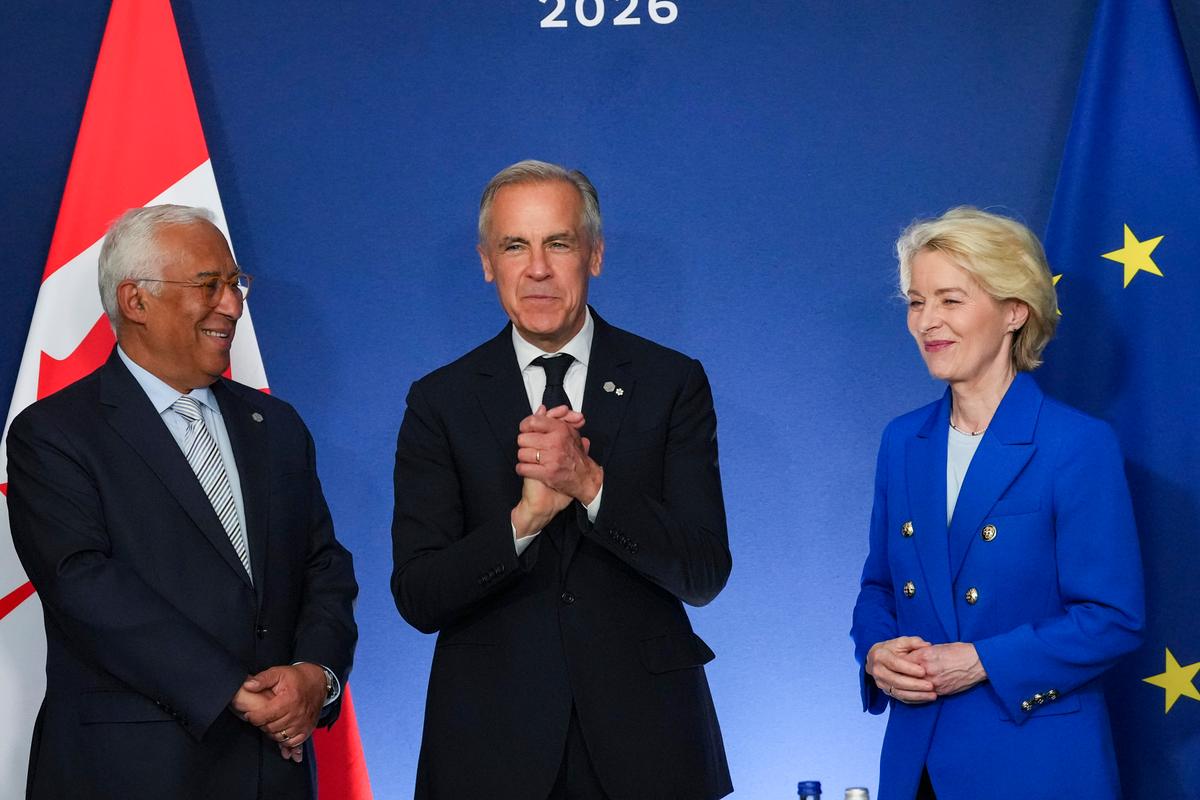
“Since the early 2000s, China has used its ‘going global’ industrial strategy to systematically displace competitors and squeeze foreign markets,” Shen said.
“More countries are finally recognizing the severity of this threat and will use nationalization or export controls to protect their advanced industries.”
Lin said the UK’s decision demonstrates that governments must step in when market forces clash with national security.
“Western nations must reassess their industrial competitiveness,” Lin said.
“In fact, the latest pledge by Germany and France shows the European Union is seeking to form a unified economic and trade stance toward Beijing.”
French President Emmanuel Macron and German Chancellor Friedrich Merz on July 17 agreed to draft a joint “roadmap” by September to address the Chinese regime’s unfair trade practices.
Lin said Brussels’s future policymaking is crucial as China’s widening trade surplus with the EU and a severely undervalued yuan pose an existential threat to European manufacturing.
“Driven by the need for industrial survival, a fundamentally new Western policy toward the Chinese market is already in motion,” Lin said.
“Prioritizing economic security and reducing reliance on China is now a reality.”