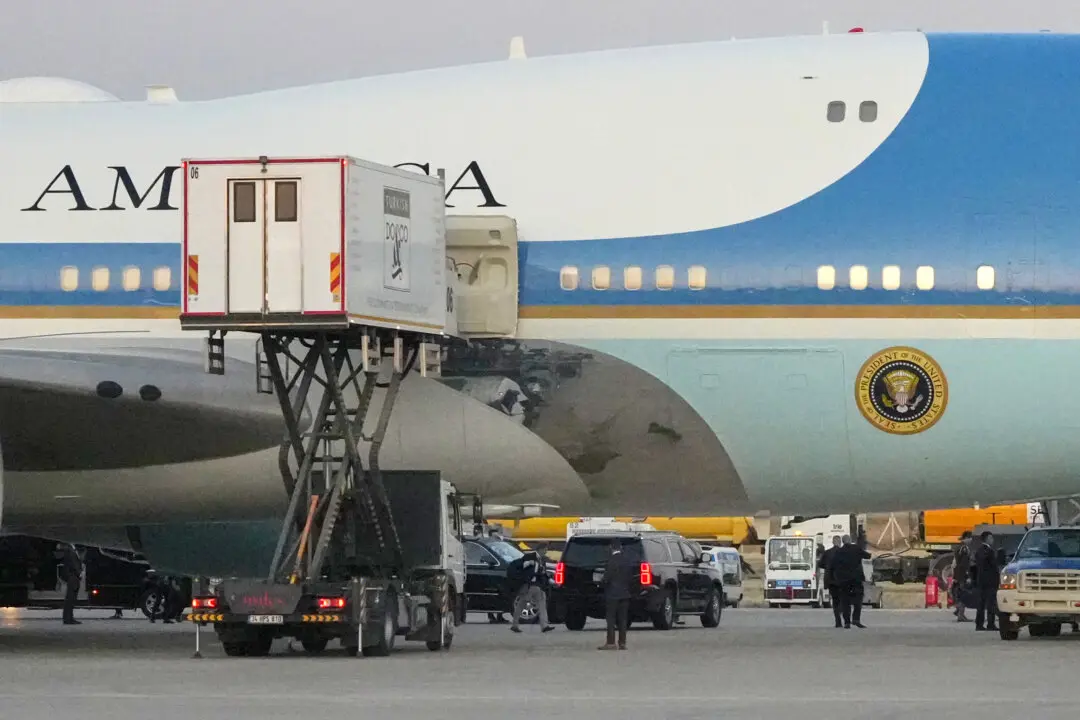
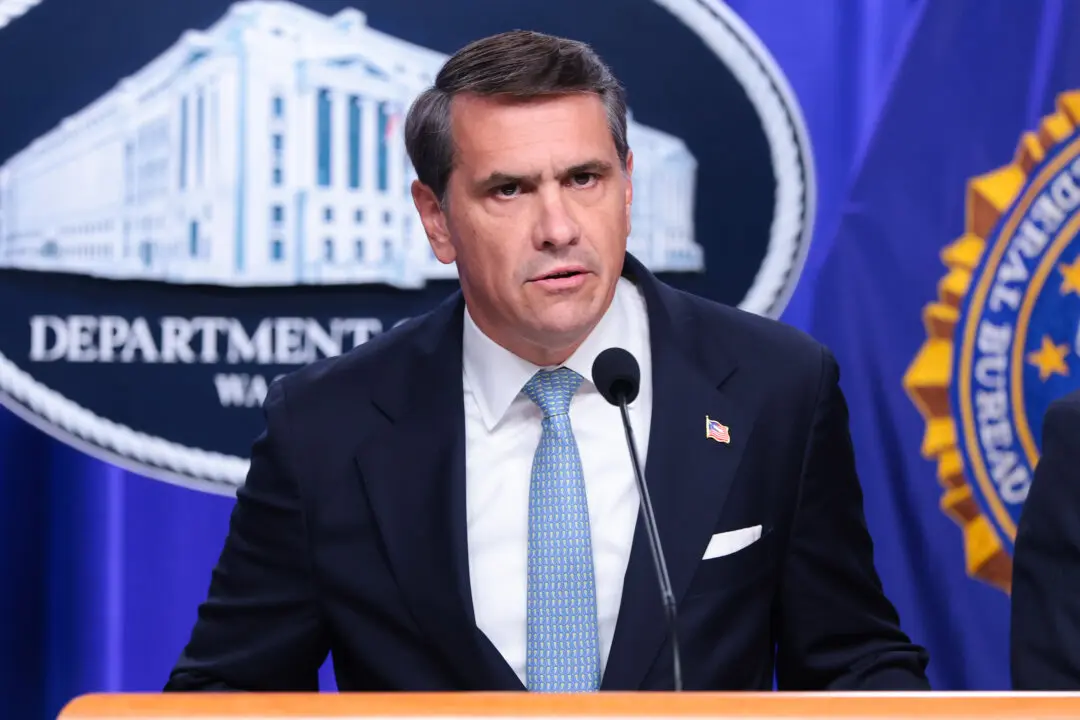
U.S. Treasury Secretary Scott Bessent held a closed-door meeting with Chinese Vice Premier He Lifeng shortly after they arrived in South Korea on May 13 for trade negotiations.
The meeting lasted three hours and was held under tight security at a VIP lounge at Incheon International Airport in Seoul after their respective meetings with South Korean President Lee Jae Myung.
Neither the United States nor China provided details of the talks, though the meeting was widely seen as laying the groundwork for the high-stakes summit between U.S. President Donald Trump and Chinese leader Xi Jinping in China.
A spokesperson for South Korea’s president told reporters that Lee and Bessent discussed supply chains and critical minerals.
In a separate meeting with He, the South Korean president said it was in the interests of both his country and the international community to maintain stable U.S.–China relations, according to the spokesperson.
The meeting between Bessent and He took place just one day before the leaders’ summit in China scheduled for May 14, which Bessent is also expected to attend.

Bessent later said in a post on X that he spoke with the Chinese vice premier on the upcoming leaders’ summit in China.
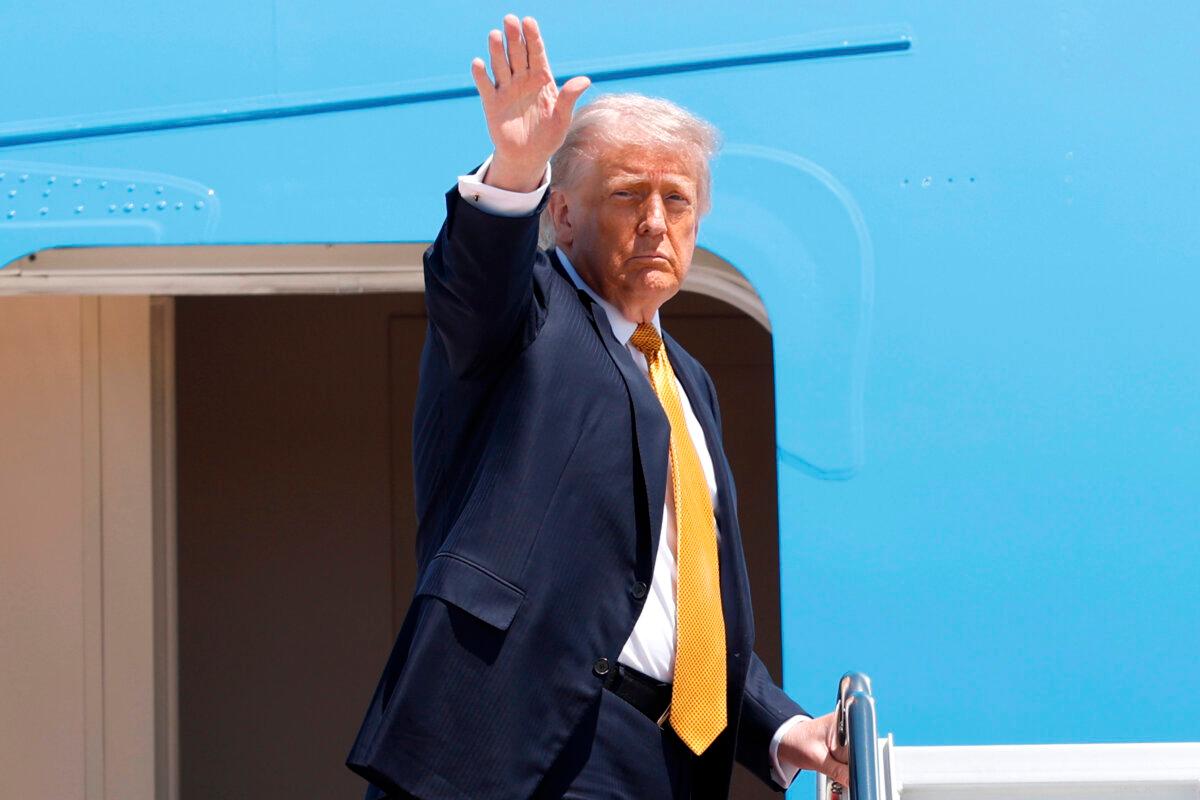
“I don’t think we need any help with Iran. We’ll win it one way or the other. We’ll win it peacefully or otherwise,” he told reporters.
China is the biggest buyer of Iran’s sanctioned crude oil.
Trump said that China is far more dependent on the Strait of Hormuz for oil shipments than the United States, which has its own oil resources, though he believes the talks with Xi will yield good results.
“They get a lot of their oil from that area. We’ve had no problem,” he said. “[Xi has] been somebody that we get along with. And I think you’re going to see that good things are going to happen.”
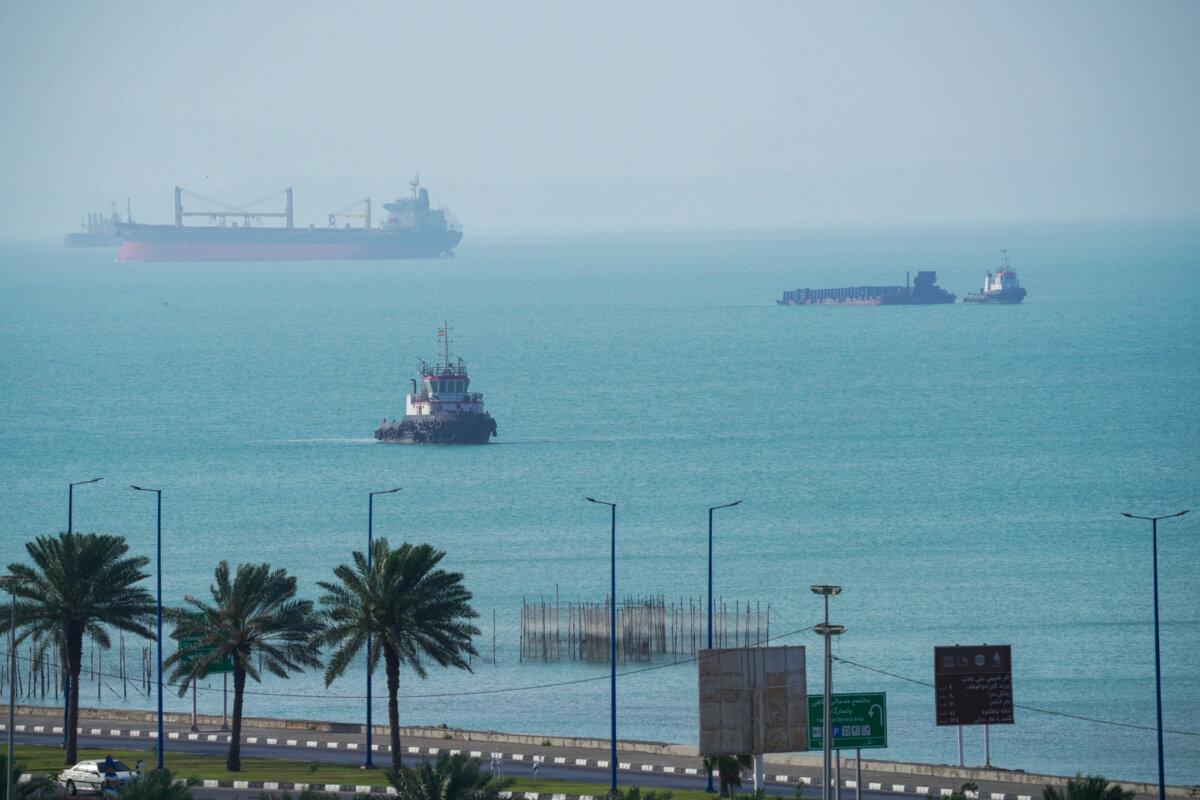
The strait is one of the world’s most critical energy chokepoints, with about 20 percent of global oil supplies passing through the waterway, but shipping traffic has been disrupted by Iran in response to U.S. and Israeli attacks on its nuclear and military sites beginning in late February.