U.S. Treasury Secretary Scott Bessent said China had been an “unreliable global partner” during the war in Iran, citing the communist regime’s hoarding of oil supplies and limits on certain exports.
“I think the message for the visit is stability. We’ve had great stability in the relationship since last summer; that emanates from the top down,” Bessent said. “I think that communication is the key.”
The price of a barrel of Brent crude oil rose above $100 in March and early April. It has now dipped below $100 and hovered at around $95.
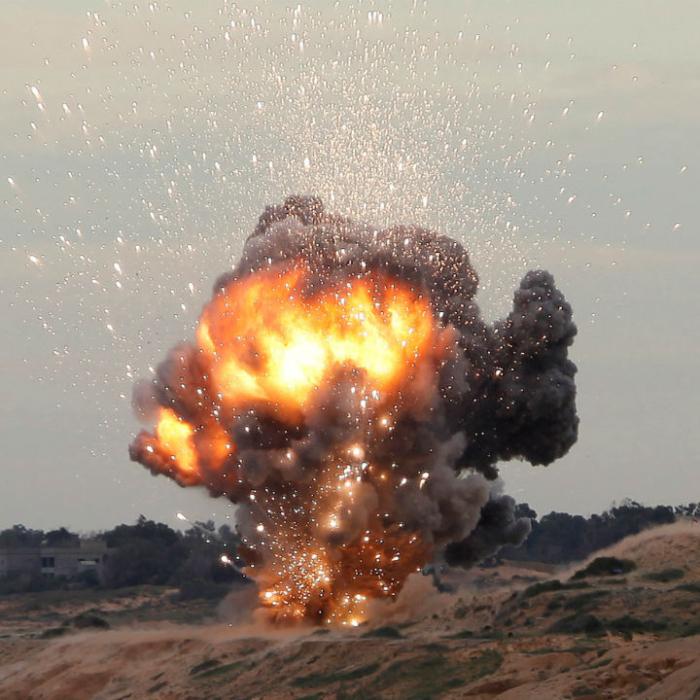
Bessent said China had been stockpiling oil rather than helping ease global shortages triggered by Iran’s closure of the Strait of Hormuz, through which about 20 percent of global liquefied natural gas and oil trade passes annually.
In March, Washington-based think tank the Atlantic Council reported that China held approximately 1.2 billion barrels of onshore crude stockpiles as of January, citing Kpler data.
“They continued buying, and they’ve been hoarding, and they have cut off exports of many products,” Bessent said.
At a regular briefing on April 15, Guo Jiakun, spokesperson for the Chinese regime’s foreign ministry, said Beijing and Washington remain in communication regarding Trump’s China trip, in response to a question about Bessent’s remarks, according to Chinese state media.
Bessent’s remarks on China’s stockpiling of health care products mirror concerns previously raised by other U.S. officials.
The U.S. Department of Homeland Security, in an intelligence report dated May 1, 2020, said China “stockpiled medical supplies by both increasing imports and decreasing exports” in early January 2020, and tried to cover up actions by “denying there were export restrictions and obfuscating and delaying provision of its trade data.”
“We have moderate confidence in this assessment because trade data shows that China likely stockpiled medical supplies for domestic use before its official notification to the World Health Organization (WHO) that COVID-19 was contagious,” the report reads.
Then-Missouri Attorney General Eric Schmitt filed a COVID-19-related lawsuit against the Chinese Communist Party, the Chinese city of Wuhan, the Wuhan Institute of Virology, and several other Chinese entities in April 2020. The lawsuit accused China of running an “appalling campaign of deceit, concealment, misfeasance, and inaction” during the initial outbreak, while also alleging that it hoarded personal protective equipment and restricted its exports.
The International Monetary Fund, World Bank, and International Energy Agency on April 13 urged countries to refrain from hoarding energy supplies and enforcing export restrictions that could worsen what they described as the biggest shock in the history of the global energy market. The three organizations did not name specific countries.
“So they’re not going to be able to get their oil. They can get oil. Not Iranian oil,” Bessent said, noting that China accounts for more than 90 percent of Iran’s oil exports, which made up approximately 8 percent of its oil imports annually.