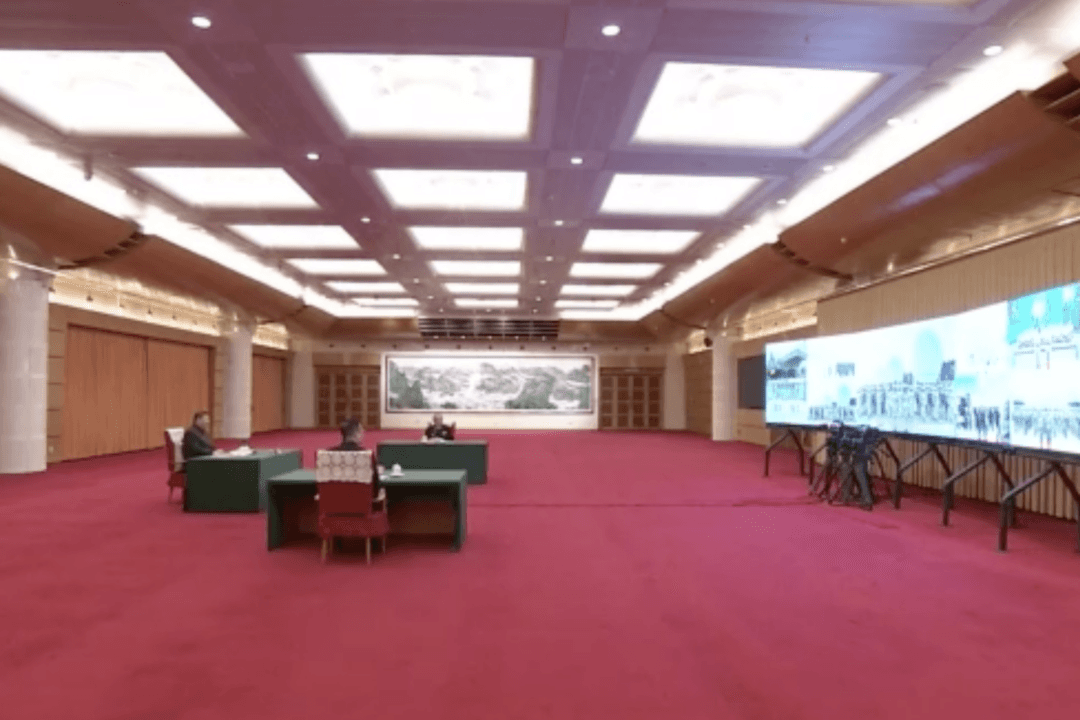
Belarusian President Alexander Lukashenko visited Beijing on June 29 to meet with Chinese Communist Party (CCP) leader Xi Jinping, after meeting Russian President Vladimir Putin in Moscow to discuss the Russian-Ukrainian war during the weekend.
Xi told Lukashenko that China supports Belarus in safeguarding its national sovereignty, independence, and territorial integrity, according to the Chinese regime’s foreign ministry. Xi also said that China stands ready to continue providing assistance within its capabilities for Belarus’s development and nation-building.
Lukashenko stated that he is willing to continue maintaining close coordination with China on international and regional affairs.
As a close ally of Putin, Lukashenko made the state visits as the Russian-Ukrainian war entered its fifth year since Russia launched the invasion in February 2022. The Russian offensive has slowed this year, met with Ukrainian troops’ strong resistance. Amid the stalemate in ceasefire negotiations, Putin suggested that Lukashenko—with whom he held two days of talks last weekend—might help facilitate peace negotiations.
Both Belarus under Lukashenko and Putin’s Russia are viewed by the international community as authoritarian regimes.
Sun Kuo-hsiang, a professor of international affairs and business at Nanhua University in Taiwan, said that in Beijing and Minsk’s view, the “threat” to Belarus’s sovereignty is primarily the West/NATO and Western-backed democratic opposition: sanctions, election legitimacy challenges, human-rights pressure, and fear of a “color revolution.”
Leveraging China to Offset Russian Pressure?
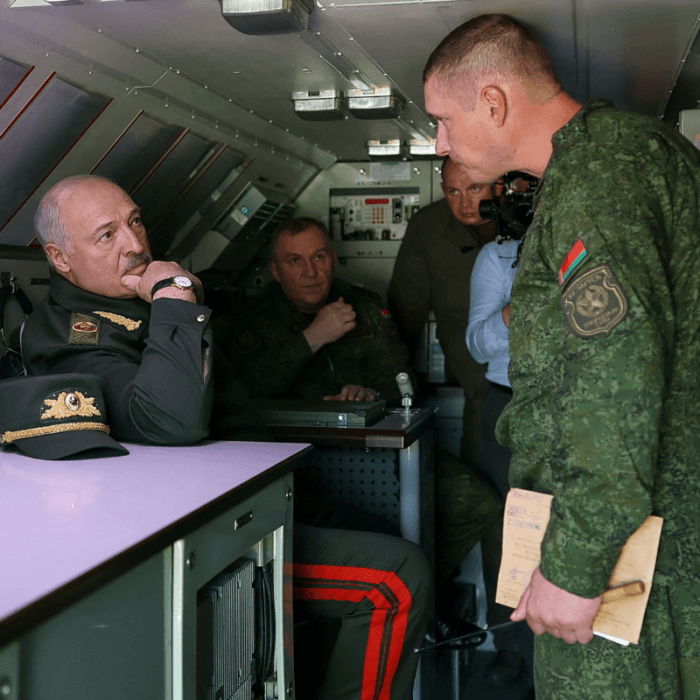
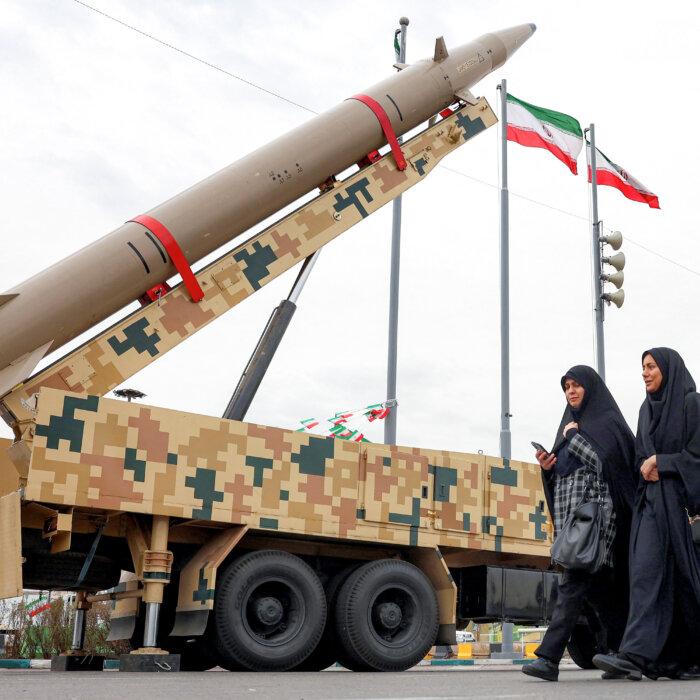
Belarus amended its constitution in February 2022 to allow Russia to deploy nuclear weapons on Belarusian territory when Russia started a full-on invasion of Ukraine.However, as the war drags on and Russia has met with series setbacks on the battlefield, there have been signs that Lukashenko has started distancing himself from Putin, such as avoiding direct military involvement in the war, shutting down Russian signal relay stations on Belarusian territory in response to a Ukrainian ultimatum, and apologizing to Ukrainian President Volodymyr Zelenskyy and reversing his previous predictions of an inevitable Russian victory.
Meanwhile, media reports suggest Moscow may want Belarus to play a larger role in the war, but the Kremlin denies pressuring Minsk.
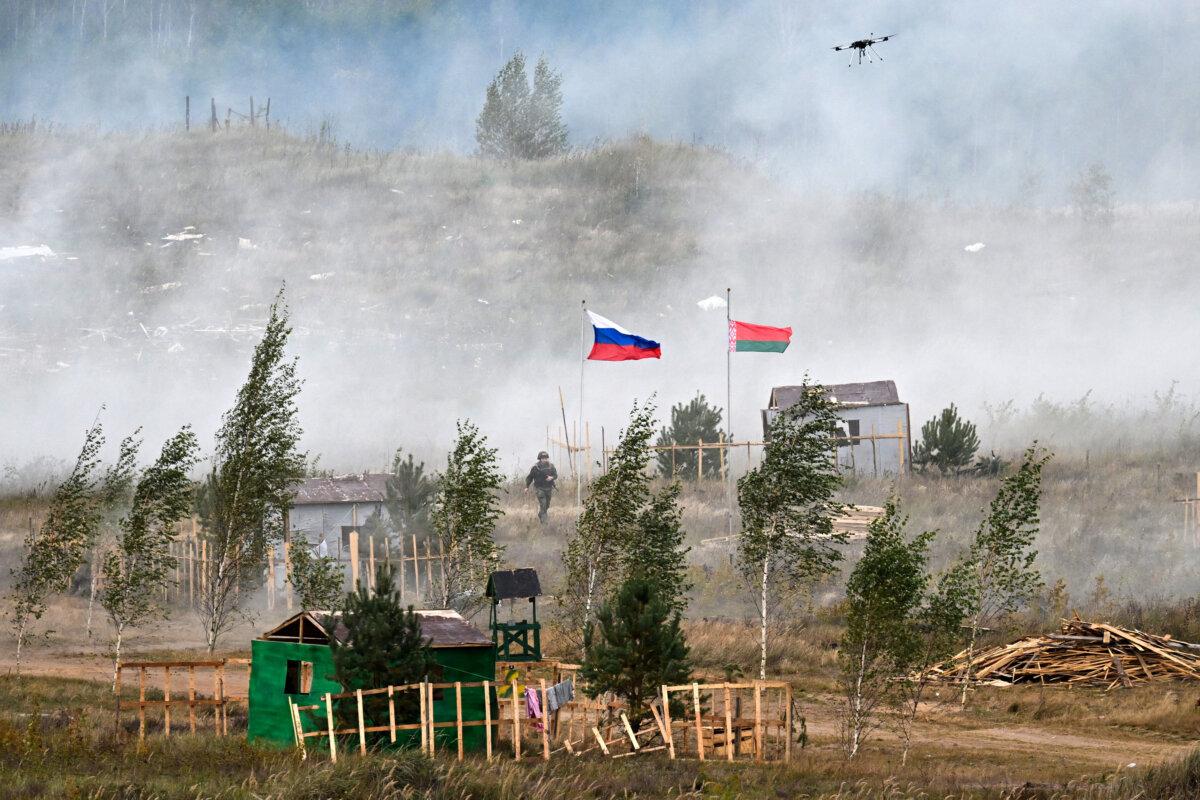
Lukashenko’s visit to China was likely prompted by the pressure he had been feeling from Russia and Putin, Shen Ming-shih, research fellow at the Division of National Security Research at Taiwan’s Institute for National Defense and Security Research, told The Epoch Times. “Putin wanted Belarus to provide assistance to Russia or to authorize the deployment of Russian troops within Belarusian territory. However, Lukashenko’s attitude makes it clear that he has no desire to do so.”
So, given that less than a year has passed since Lukashenko’s last visit to China, this trip is primarily about balancing relations between Russia and China, or seeking China’s assistance to gain more leverage and a stronger position from which to counter Russia, Shen said.
He noted that Belarus shares a long border with Russia, both nations are essentially considered undemocratic, authoritarian states, and they share common goals.
“However, Russia has failed to achieve significant results on the battlefield in Ukraine, and a ceasefire is a possibility. Faced with this disadvantageous situation, Belarus must also look out for its own interests,” Shen said.
Belarus’s recent overtures toward Ukraine show that it no longer wishes to take sides in the conflict, he said. “In fact, it leans toward improving relations with Ukraine—a neighbor with which it also shares a very long land border.”
Consequently, it has recently begun to keep Russia at arm’s length and to show signs of restoring friendly ties with NATO countries and Ukraine, Shen said.
Geopolitical Impact of China–Belarus Cooperation
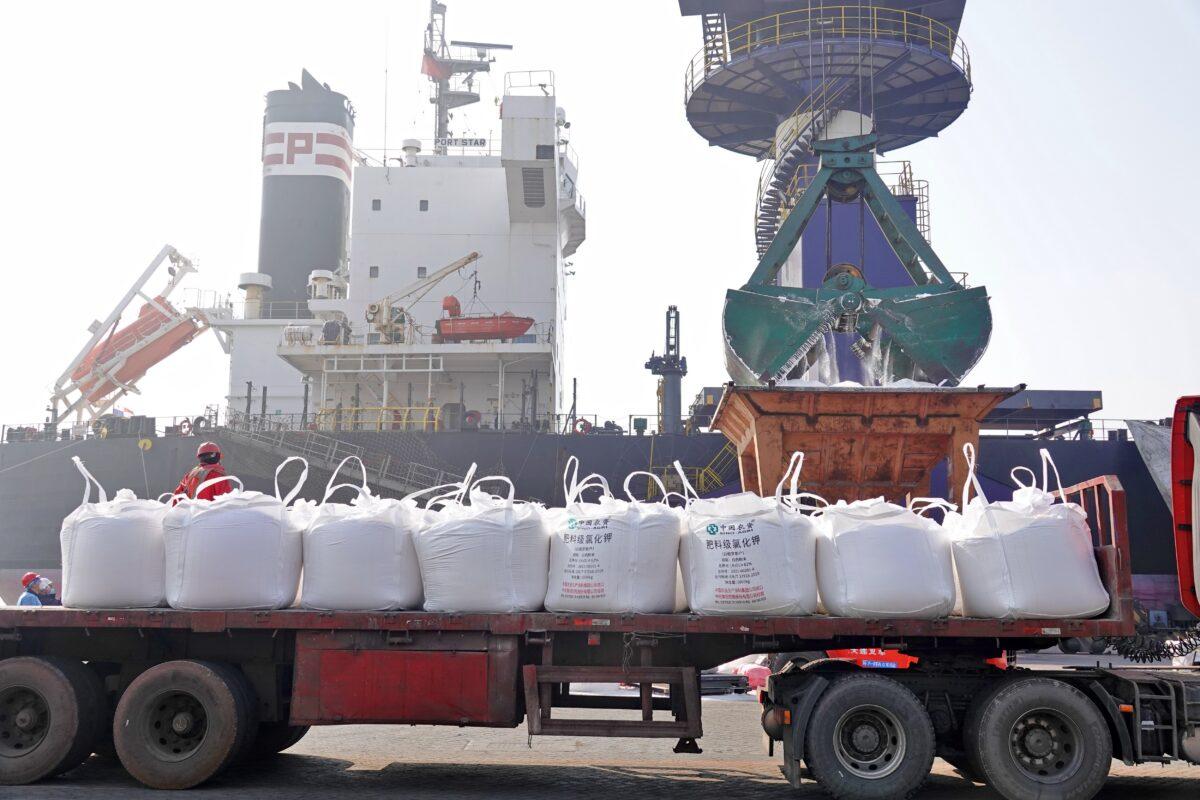
Beijing has been the main backer of Putin’s war against Ukraine, providing Russia with economic aid, diplomatic support, and civil-military dual-use equipment. Meanwhile, Belarus is a participant country of Beijing’s Belt and Road Initiative–the Chinese regime’s global economic and political scheme to extend its influence through investment in participating countries’ high-cost infrastructure projects. Beijing views Belarus as a gateway to Europe.If there is to be cooperation between Belarus and China, “it will likely be on economics or trade, but it is unlikely to extend to strengthened military or security cooperation,” Shen said.
Strengthening military cooperation with China could lead to the formation of another “axis of evil”—akin to Iran or North Korea—making Belarus a target for the West, which Belarus would not want, he said.
On the other hand, China has no desire to shoulder the geopolitical and strategic responsibilities or burdens associated with Belarus in Eastern Europe, according to Shen.
“However, if Russia becomes unable to continue supplying arms to Belarus, China might step in to fill the void—either by supplying weaponry itself or by helping to enhance the capabilities of the Belarusian military,” Shen said.
Meanwhile, Lukashenko is unlikely to truly move toward NATO or the West in the near term, Sun stated. “He may use limited contacts with the United States or Europe to bargain for sanctions relief and gain leverage against Moscow, but Belarus remains deeply dependent on Russia for security, energy, markets, and regime protection.”
Belarusian democratic opposition could, in theory, turn Belarus toward Europe if it came to power, Sun said. “So the most likely scenario is: Lukashenko continues hedging between Russia, China, and limited Western contact; a democratic Belarus would be more pro-European, but NATO alignment would be gradual and cautious.”
If Belarus deepens its alliance with China, the main impact is that Europe’s eastern frontier would become more directly connected to China’s Eurasian strategy, Sun said.
“But this does not mean Belarus becomes a Chinese military proxy. Russia remains the dominant security actor in Belarus. China’s role is more likely to be economic, diplomatic, technological, and logistical,” he said. “A China–Belarus alignment would tighten the China-Russia-Belarus axis, weaken Western leverage, and turn Belarus into a more important bridge between the European and Asian theaters.”