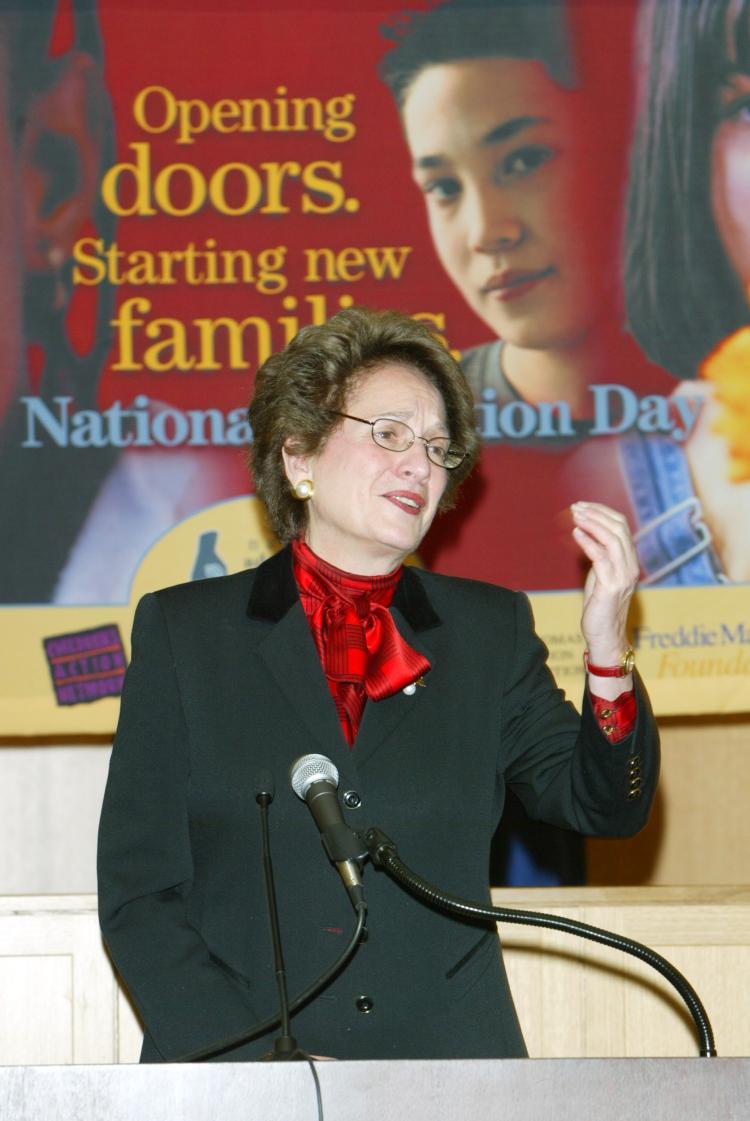
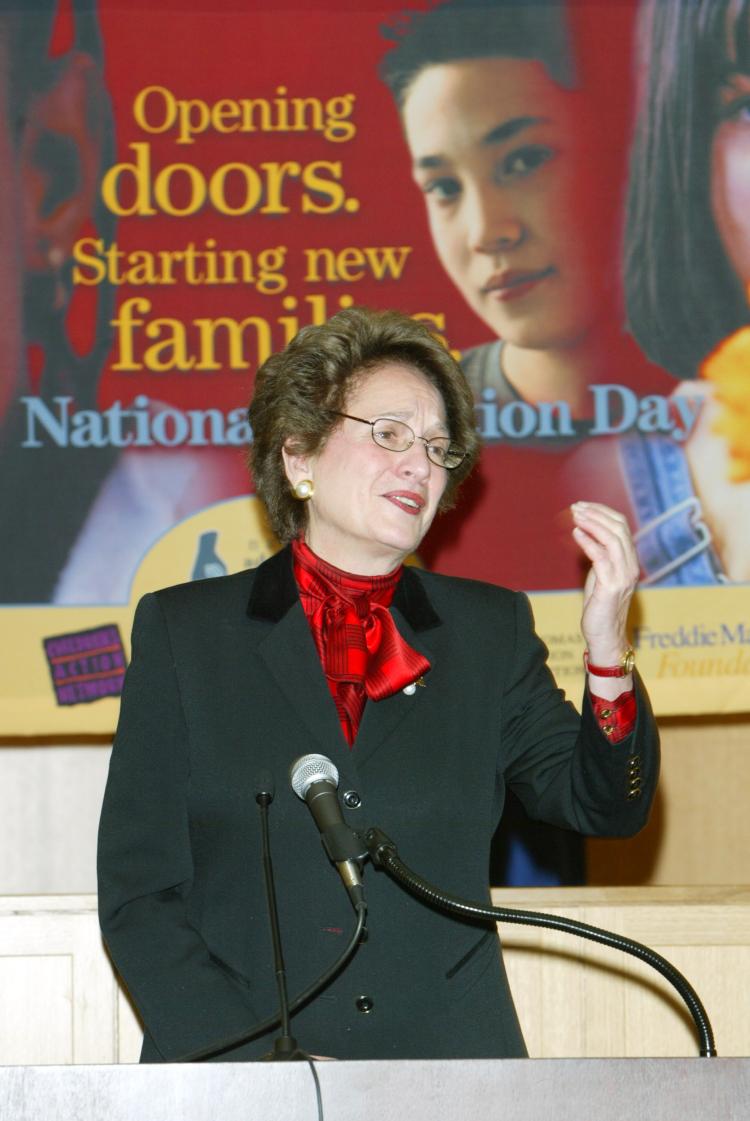
Her address is unseasonal—due to a lawsuit against the State for lack of pay raises for over a decade, Kaye delayed the address, which is usually given in the beginning of the year.
Kaye was joined on stage with several judges and justices from the State courts as she spoke on current and future work of the judiciary in a few key areas.
Family Justice
Last year, 700,000 new family court cases were filed. Projections for this year were at 728,000 cases. “What’s more, in the past year, abuse and neglect filings are way up—they have more than doubled in New York City alone,” said Kayes. Last year the courts asked the State to increase the number of family court judges from the 47 set by State law to meet increased demands.Kayes spoke of the transition to more youth participation in court. Under the leadership of the Permanent Judicial Commission on Justice for Children, the courts have begun to encourage young people in family court to talk about their concerns and to participate in their own permanency hearings, according to Kayes. In addition, family courts are remodeling their waiting rooms to including “age-appropriate resources for teenagers” The first “Teen Space” will open next Tuesday, Nov. 18 in Queens County Family Court.
Meeting the Foreclosures Challenge
Kayes highlighted the housing courts as an area that will need increased attention given the market situation. “One deeply troubling aspect of the dramatic upheavals in our economy has been a nationwide surge in residential mortgage foreclosure cases,” Kayes said. “In some counties, like Queens and Suffolk, filings have risen about 200 percent in the past few years.” New York is one of the States where foreclosures could be done in-court or out-of-court, but in-court proceedings are more common.
To encourage borrowers facing foreclosure to seek resolution out-of-court, the courts have sent out information on legal service providers and mortgage counselors. The initiative is part of a Queens-based pilot project that began in April.
Community and Problem Solving
According to Kayes, one of the big successes of the courts is the pairing of courts and substance abuse help. Many repeat offenders enter the cycle of crime and punishment due to drug and alcohol abuse. To put an end to this vicious cycle that benefits neither the offender nor the courts, community and drug courts were established in the 90s to require such individuals to enter drug programs.
Other initiatives include a reduction of the court system’s environmental impact created by its paper-heavy operations. The New York court system already has the most comprehensive websites among the nation’s courts.
Kayes began her service as Chief Judge in1993, making her the first Chief Judge to complete a full 14-year term and the first woman ever to hold the position.
Her successor will be appointed by Governor David Paterson and approved by the State Senate early next year.