Authorities arrested four employees of the Burr Oak Cemetery of Alsip on Thursday for digging up bodies in order to resell burial plots.
Police found over 100 remains located in an inacessible portion of the cemetery, said County Sheriff Tom Dart, according to media reports.
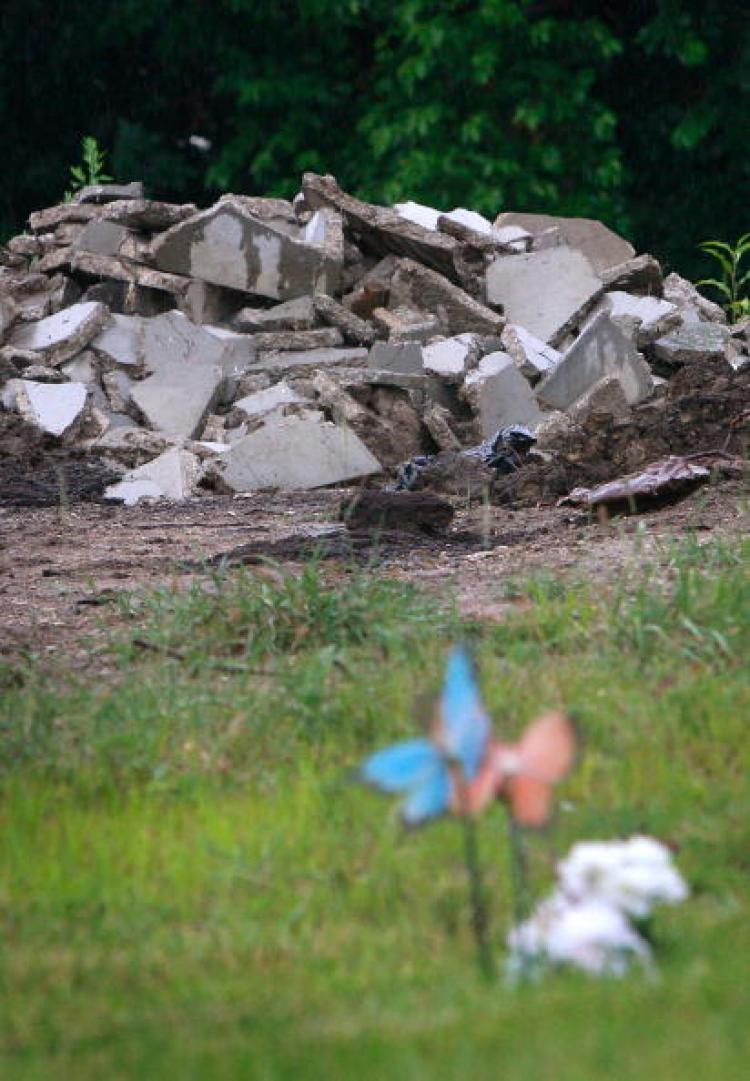
Those involved in the scam were said to have excavated even the concrete burial vaults, which were dumped and smashed.
Police believe older graves were reused to lessen the chances of being caught.
Burr Oak is the Chicago area’s first African American cemetery and contains the remains of historic African American figures, such as blues music legend Willie Dixon. Emmett Till is also buried there.
In 1955, Till was only 14 years old and was murdered in Mississippi. The outrage from his death helped propel the civil rights movement forward.
Police found over 100 remains located in an inacessible portion of the cemetery, said County Sheriff Tom Dart, according to media reports.
Those involved in the scam were said to have excavated even the concrete burial vaults, which were dumped and smashed.
Police believe older graves were reused to lessen the chances of being caught.
Burr Oak is the Chicago area’s first African American cemetery and contains the remains of historic African American figures, such as blues music legend Willie Dixon. Emmett Till is also buried there.
In 1955, Till was only 14 years old and was murdered in Mississippi. The outrage from his death helped propel the civil rights movement forward.