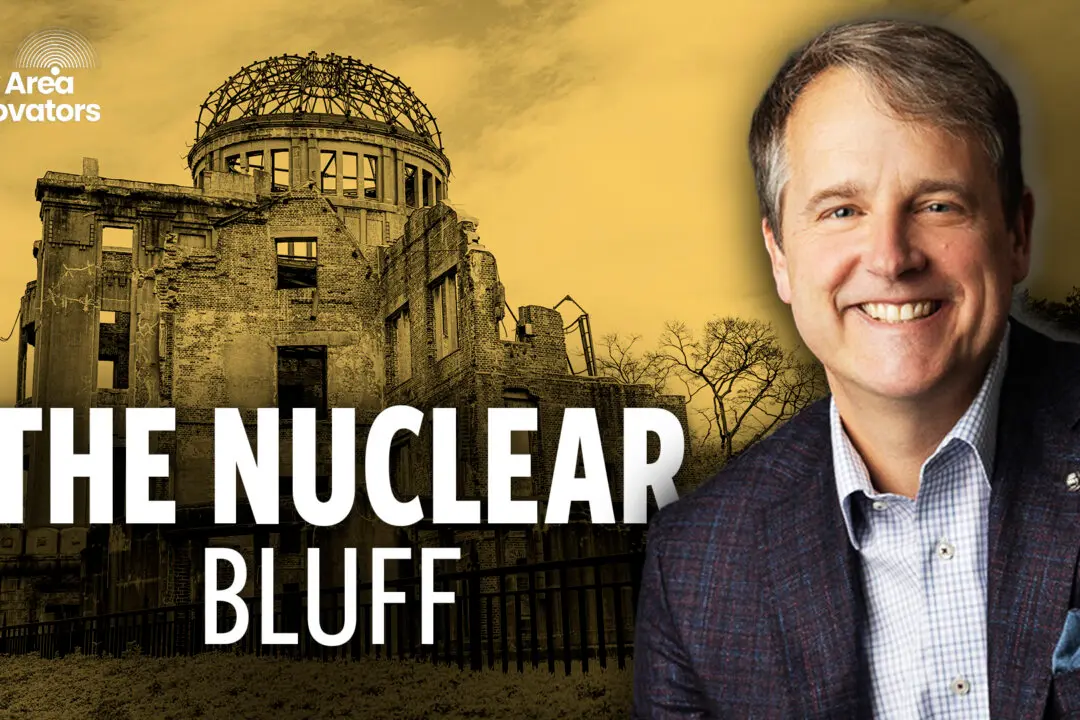
Hiroshima, Nagasaki, and the atomic bomb decision that ended World War II remain among the most debated choices in modern history. Was dropping the atomic bombs in August 1945 necessary, or a moral line the world should never have crossed?
In this episode of Bay Area Innovators, host Steve Ispas sits down with James Scott, Pulitzer Prize finalist, bestselling historian of the Pacific War, and author of “Empire of Ashes,” to examine the final months of World War II, the pressures facing new President Harry Truman, Emperor Hirohito’s role in Japan’s surrender, and what that decision means 81 years later.
It opens with a question many people get wrong. How many assembled atomic bombs did the United States actually have at the time? Two. Japan’s militarists suspected the United States had even fewer, arguing after Hiroshima that America could not possibly have more than one, so the regime was intact, and Japan could keep fighting. Scott explains why dropping the second bomb 75 hours later collapsed that reasoning, convincing Japan the Americans might have a hundred and might never need to invade at all.
The episode also covers Truman learning about the Manhattan Project in a single one-hour briefing, invasion projections running into millions of casualties, and why the Pacific islands that were fought over eight decades ago are being rebuilt today as tensions with China rise.