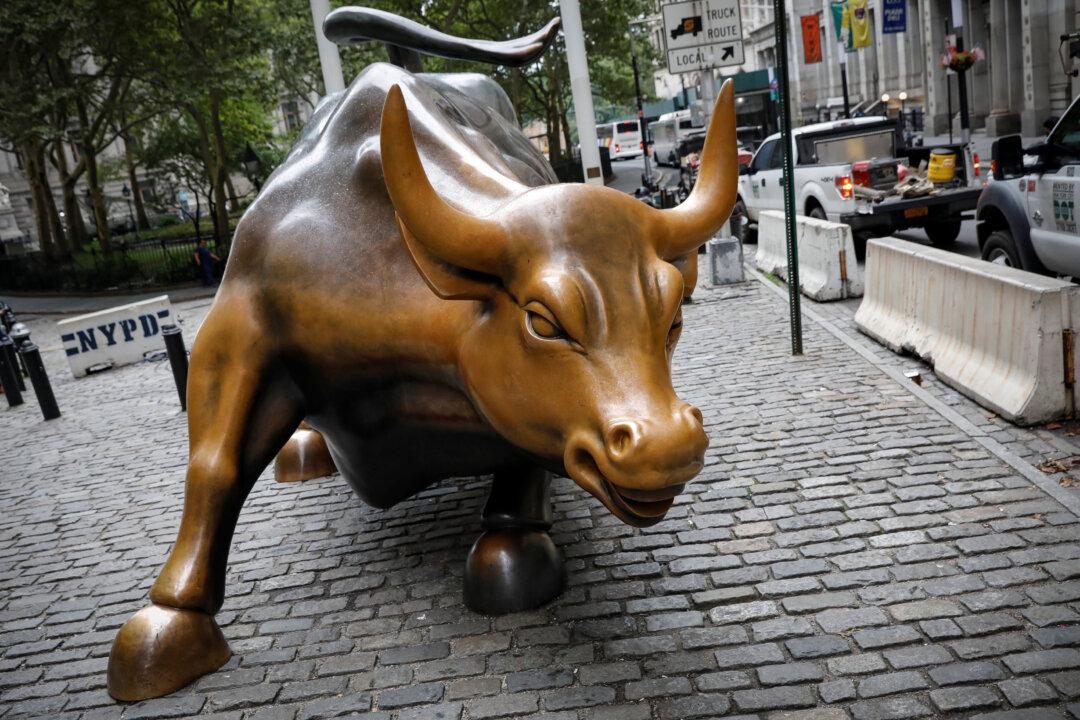
The ultra-rich grew even wealthier this year and the world has more billionaires than ever, according to Swiss bank UBS.
UBS’s analysis includes cash, securities, corporate ownership interests, property, and other material assets.
“In a highly uncertain time for geopolitics and economics, entrepreneurs are innovating at scale across a range of sectors and markets,” UBS Global Wealth Management executive Benjamin Cavalli said. “They’re creating wealth as they do so.”
Inheritance was also a factor in the growth of the billionaires’ ranks.
In the 12 months through April, 91 people became billionaires through inheritance, receiving almost $298 billion, and the trend is likely to continue as the great wealth transfer intensifies.
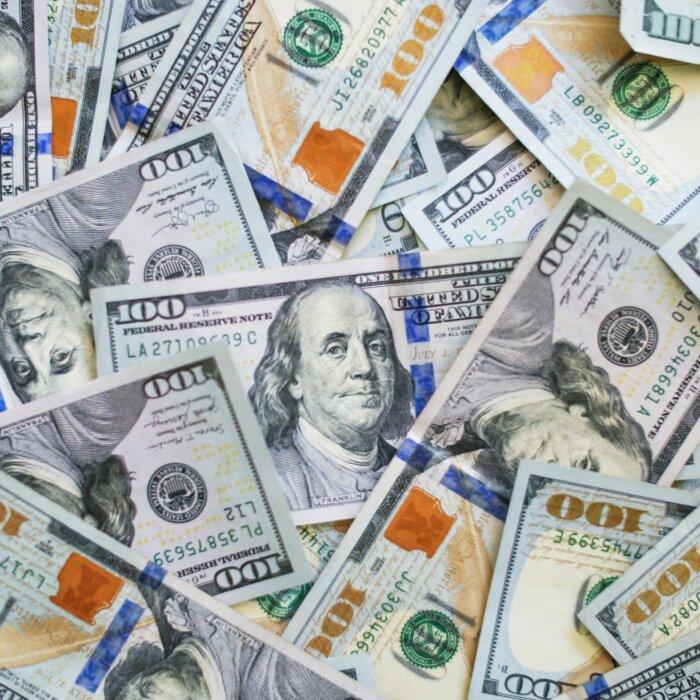
The bank calculated that at least $5.9 trillion will be inherited by billionaire children over the next 15 years, “either directly or indirectly through spouses who inherit it first and then pass it on.”
A majority of respondents, 82 percent, said they hope that their children develop the skills and values necessary to succeed on their own without “relying solely on inherited wealth.”
The number of billionaires rose by 8.8 percent in 2025, to 2,919 from 2,682 a year earlier.
The United States has the most billionaires worldwide, with 924 individuals owning approximately $6.9 trillion. This is followed by mainland China, where 470 billionaires own about $1.8 trillion. India (188 billionaires), Germany (156), and the UK (91) rounded out the top five.
Debating the Wealth Tax
For years, U.S. and European governments have debated the idea of a wealth tax, or an annual levy on net worth, to be imposed once assets minus debts exceed a threshold.The bill stalled in both chambers. Overseas, politicians and voters have been reluctant to back similar schemes.
Nearly 80 percent of Swiss voters recently turned down a proposed 50 percent tax on inherited fortunes greater than 50 million Swiss francs ($62 million).
The French Parliament rejected a proposed 2 percent tax on wealth greater than 100 million euros ($116 million) in October. Although the UK has not adopted a formal wealth tax, it has announced plans to impose higher taxes on wealthier residents.
Economists have presented divergent opinions on the concept in general. Proponents say it can improve governments’ deteriorating fiscal health and address income inequality. Critics have said that it would disincentivize wealth creation.
“Where we are today in the 21st century, a basic middle-class life is not accessible to very large portions of America,” Stiglitz said. “I think a wealth tax is a good idea because we have so much inequality in wealth ... [that] even a moderate rate like 3 percent on billionaires and 2 percent on those over $50 million ... [would raise] an enormous amount of revenue.”
“Capital levies, inheritance and estate taxes, and income taxes are similarly self-defeating if carried to extremes,” Von Mises wrote. “The power to tax is, as Chief Justice [John] Marshall pertinently observed, the power to destroy.”
“Where do you get the factories?” Friedman said during a university lecture in the 1970s. “Where do you get the machines? Where do you get the capital investment? Where do you get the incentive to improve technology?”
According to Friedman, a wealth tax would be on top of all the other taxes wealthier households already pay.