Visa and Mastercard have proposed a sweeping settlement that could change how Americans use their credit cards—and may leave some premium rewards cards unwelcome at store checkout counters.
These fees, typically between 2 and 2.5 percent of a purchase, are paid by merchants each time a customer uses a credit card.
‘Honor All Cards’ Rule To Be Weakened
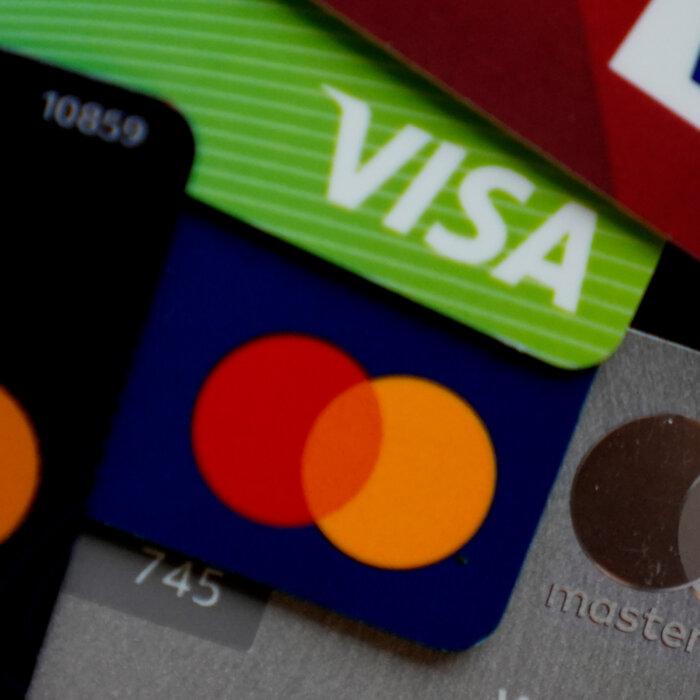
The most consequential part of the proposal centers on the long-standing “honor all cards” rule, which requires merchants that accept Visa or Mastercard to accept every card carrying those logos—regardless of fee level or card tier.Premium rewards cards, such as Visa Infinite and Mastercard World Elite, charge significantly higher fees. A Visa Infinite transaction, for example, can cost a merchant roughly 0.15 percent more than a mid-tier Visa Signature purchase.
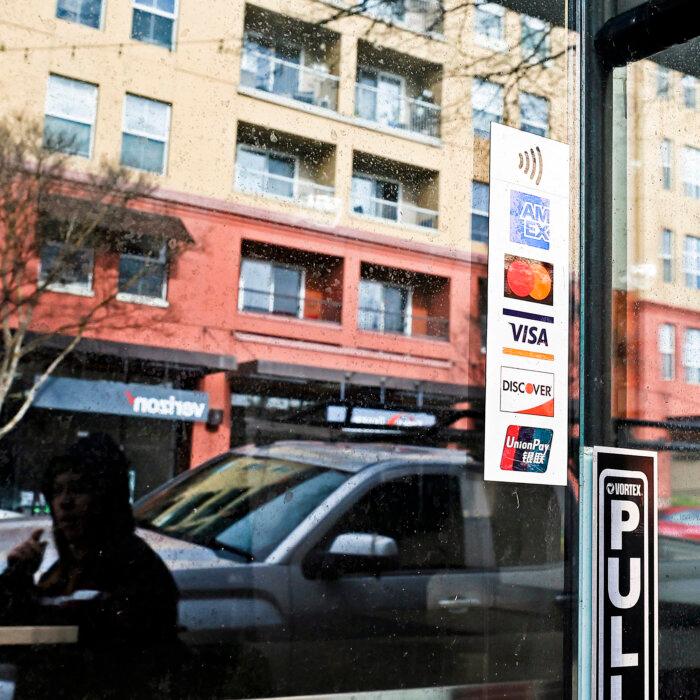
Under the proposed terms, merchants would be allowed to reject higher-tier cards altogether or impose surcharges on customers who use them. That could mean shoppers relying on premium travel and cash-back cards find them declined at the point of sale, or face added fees at checkout.
Limited Savings for Merchants, Customers
While Visa and Mastercard claim the settlement provides “meaningful relief” and offers businesses better tools to manage payment costs, many retailers argue that the reductions are too insignificant to offset decades of rising fees.“This proposed settlement endorses business as usual, including by letting Visa and Mastercard increase their own fees without any restraints,” NACS senior vice president of government relations Lyle Beckwith said in a statement.
“That could erase the benefits that this settlement pretends to provide.”
Despite the savings the settlement provides, it is unclear whether consumers will see lower prices, as any reductions could be absorbed by operational costs before reaching shoppers.
“The reduction in swipe fees doesn’t begin to go far enough, and the change in the honor-all-cards rule would accomplish nothing.”
NRF said that it remains unclear whether the settlement will curb Visa and Mastercard’s central setting of swipe fees, and the reduction applies only to interchange. With no limits on the networks’ own fees, they could raise their share and wipe out any savings for merchants and customers.
Only Visa and Mastercard are covered by the settlement. American Express, because it issues and processes its own cards, is not involved, and the deal has no effect on debit card transactions.