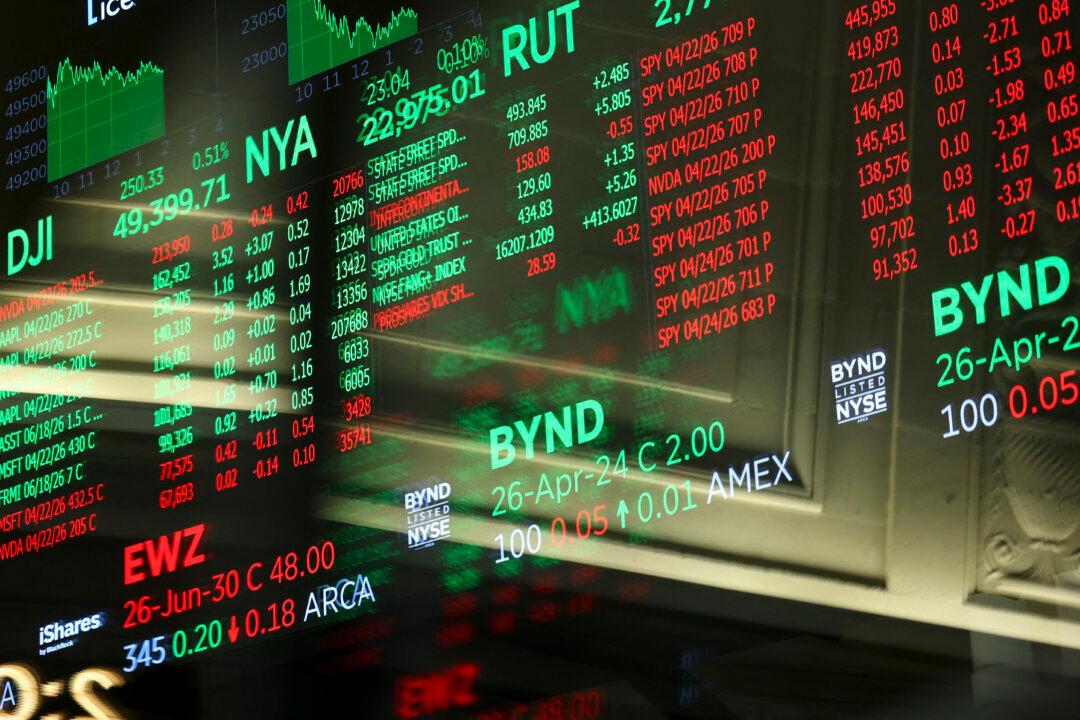
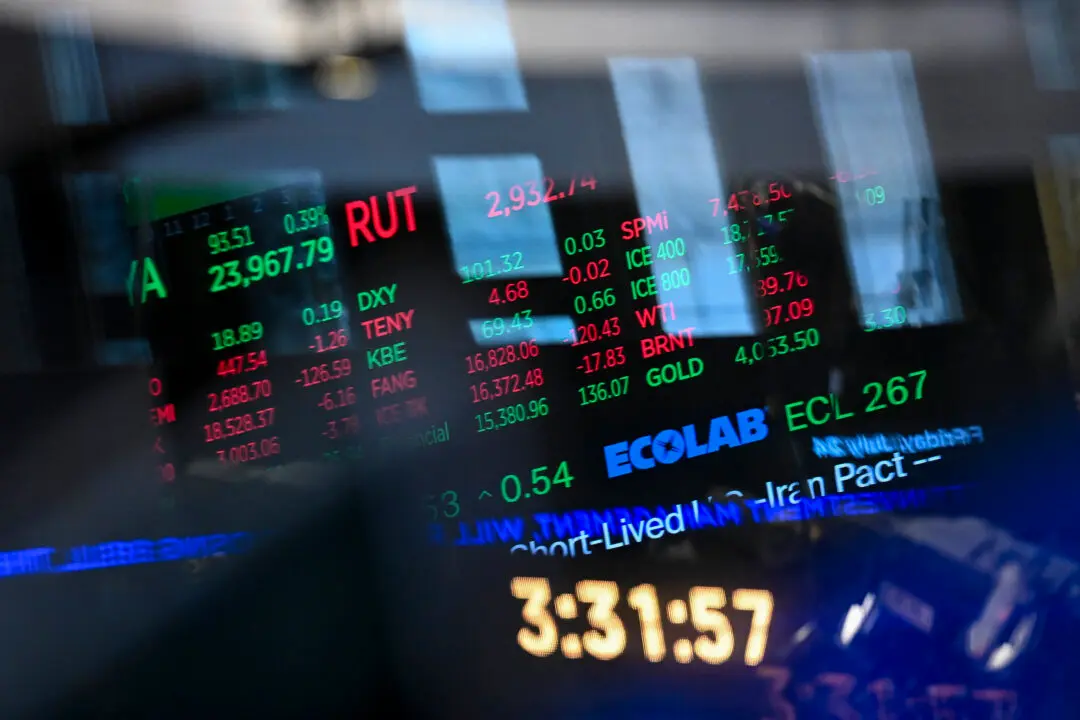
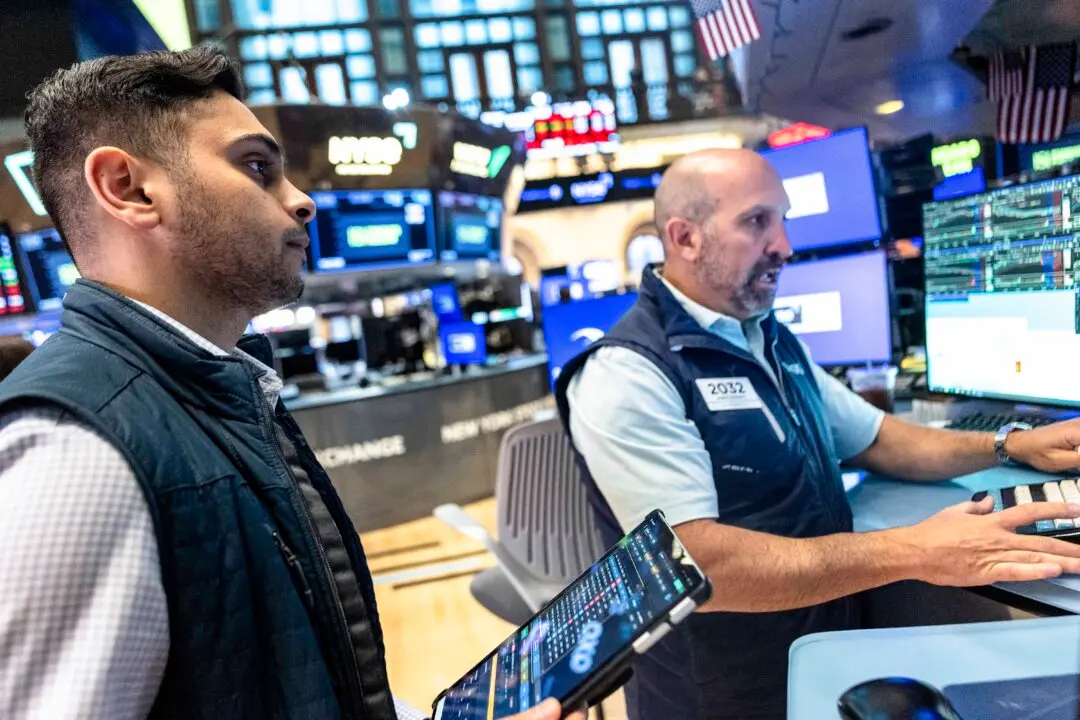
Technology shares regained market leadership this week amid major deals among tech giants and the successful debut of SK Hynix shares on Wall Street. The tech rally came despite another spike in oil prices, which pressured the bond market—a headwind for the broader market.
For the week, the Dow Jones Industrial Average edged 0.50 percent lower, closing at 52,637. The S&P 500 rose 1.23 percent to 7,575, near its weekly high reached on July 10. The Nasdaq Composite fared far better, up 1.74 percent. The Russell 2000 fell 0.61 percent.
The Chicago Board Options Exchange Volatility Index closed the week at 15.03, down 3.47 percent.
Stocks opened the week sharply higher on July 6, led by the tech sector. The sector rebounded from a sell-off at the end of last week, as buy-the-dip investors returned to the market. The tech-heavy Nasdaq gained 1.12 percent for the day. The S&P 500 rose 0.72 percent. The Dow Jones and the Russell 2000 posted moderate gains of 0.30 percent and 0.61 percent.
A critical driver behind the shift in tech sentiment was the stabilization in Korean equity markets, home to many tech names.
The tech rally reversed on July 7 after another rout in Korean semiconductor shares. Samsung’s earnings failed to meet bullish investor expectations. Micron Technology, SanDisk Corporation, and Intel were all hit hard, down 4.71 percent, 7.26 percent, and 9.66 percent, respectively. Nasdaq gave up all its previous day’s gains.

Oil added to the pressure. West Texas Intermediate crude topped $69 per barrel, a one-week high, after a fully laden Qatar LNG carrier was struck by a projectile near the Omani coast while exiting the Strait of Hormuz.
Higher oil revived fears of re-accelerating inflation, pushing the benchmark 10-year Treasury yield near a one-month high of around 4.55 percent.
Negative Headlines
Markets opened lower across the board on the morning of July 8 amid several negative headlines. One is another spike in oil and bond yields following a re-escalation of U.S.–Iran tensions.West Texas Intermediate crude edged toward $76 per barrel, pushing the 10-year benchmark yield close to 4.60 percent, a monthly high—a headwind for interest-sensitive small caps.
U.S.–Iran tensions again became the focus of investors during a transitional period for the markets, about one week before the start of a new earnings reporting season, Robert Edwards, chief investment officer of Naples, Florida-based Edwards Asset Management, said.
“This is the most noticeable escalation of Iran tensions since the ceasefire took hold almost one month ago, and the typical market playbook has commenced, with rising oil prices, rising bond yields, and falling stock prices,” he told The Epoch Times.
“While the market moves are not as pronounced as they were when the war began initially, the reaction is a stark reminder that geopolitical tensions remain front and center.”
Meanwhile, the return of private credit concerns added to the market volatility. HSBC reportedly scaled back on high-risk private credit investments, dragging down major bank shares. JPMorgan Chase fell 2.54 percent, Capital One Financial dropped 5.39 percent, and Citigroup slid 2.40 percent.
In addition, the Federal Open Market Committee released its minutes for the June policy meeting and confirmed the Federal Reserve was divided over its next rate move.
“The Fed is divided, but moving in a hawkish direction. Policymakers don’t want inflation to get out of control, and the low unemployment rate gives them space to hike if needed,” David Russell, global head of market strategy at TradeStation, told The Epoch Times. “As we see with energy today, there are still plenty of risks.”
Russell noted that the meeting minutes confirmed the central bank’s shift to shorter statements and less forward guidance. “Kevin Warsh’s influence is already being felt there,” he said, referring to the new Federal Reserve chair.
Tech Rebound
The tech rebound extended into the July 9 session, led by strong gains in semiconductors after Micron Technology announced plans to spend $250 billion in the United States amid solid demand for memory chips.Micron shares gained 4.52 percent. SanDisk, another memory chip maker, climbed 7.59 percent. Nasdaq closed 1.30 percent higher. The S&P 500 and the Dow Jones Industrials also rose 0.80 percent and 0.10 percent, respectively.
The broader market was also supported by easing oil prices. West Texas Intermediate crude fell below $73 per barrel as investors shrugged off renewed U.S.–Iran tensions and their potential impact on Middle East supply, though prices remained above the previous week’s level.
Still, lower oil prices eased pressure on bond yields. The U.S. 10-year Treasury note edged lower to 4.56 percent, still higher than a week ago, but helped rate-sensitive sectors, such as financials, rebound after the previous day’s sell-off.
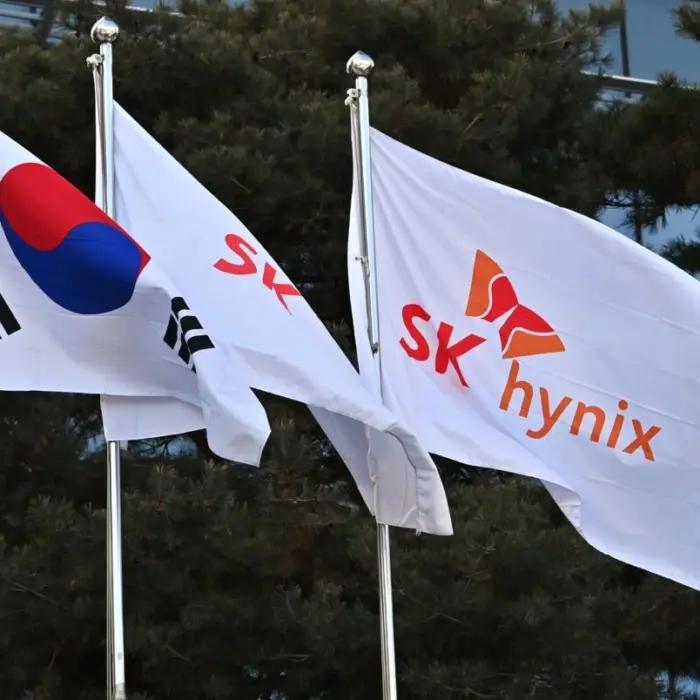
Techs performed well on July 10, boosted by the Wall Street debut of Korean memory chip giant SK Hynix. Nasdaq, home to the company’s American Depositary Shares, rose 0.29 percent. The S&P 500 gained the same amount. The Dow Jones Industrials fared slightly better, up 0.42 percent.
“The muted stock market reaction to the re-escalation of Iran tensions this week is prime evidence that investors are looking past geopolitical tensions,” Clark Bellin, president and chief investment officer of Lincoln, Nebraska-based Bellwether Wealth, told The Epoch Times.
He said the stock market had already reacted to the Iran situation in March and, as with last year’s tariff concerns, tends to move on after initially pricing in the impact of major events.
Russell is looking beyond the recent volatility to the upcoming earnings season for the market’s next move.
“Markets have been choppier since the Fed’s hawkish surprise in mid-June, but equities, especially small caps, have largely taken it in stride,” he said.
“That resilience now faces a bigger test: earnings season. After a strong first half and a bumpier start to July, results and guidance will likely decide whether volatility sticks around or stability takes back the wheel.”
Edwards remains optimistic about equities, expecting the broader market to reach new highs.
“Any downside moves in stocks over the next few weeks are a buying opportunity, as I still see the S&P 500 reaching 7,700 by year-end, largely due to earnings strength, which has thrived throughout this period of geopolitical uncertainty,” he said.