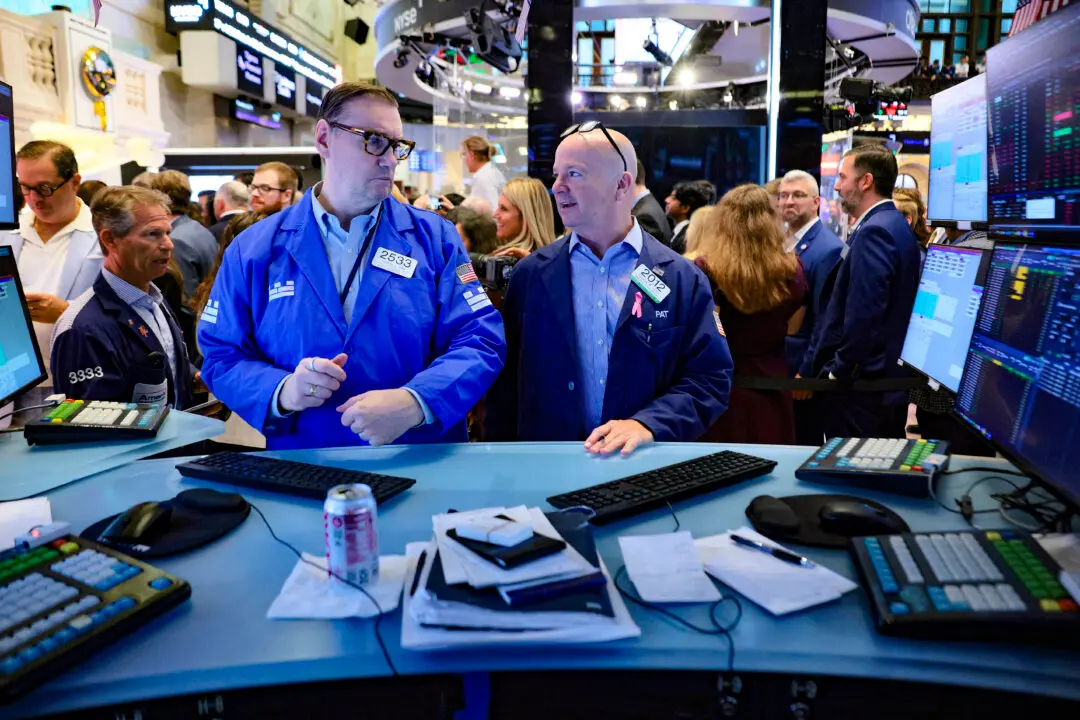
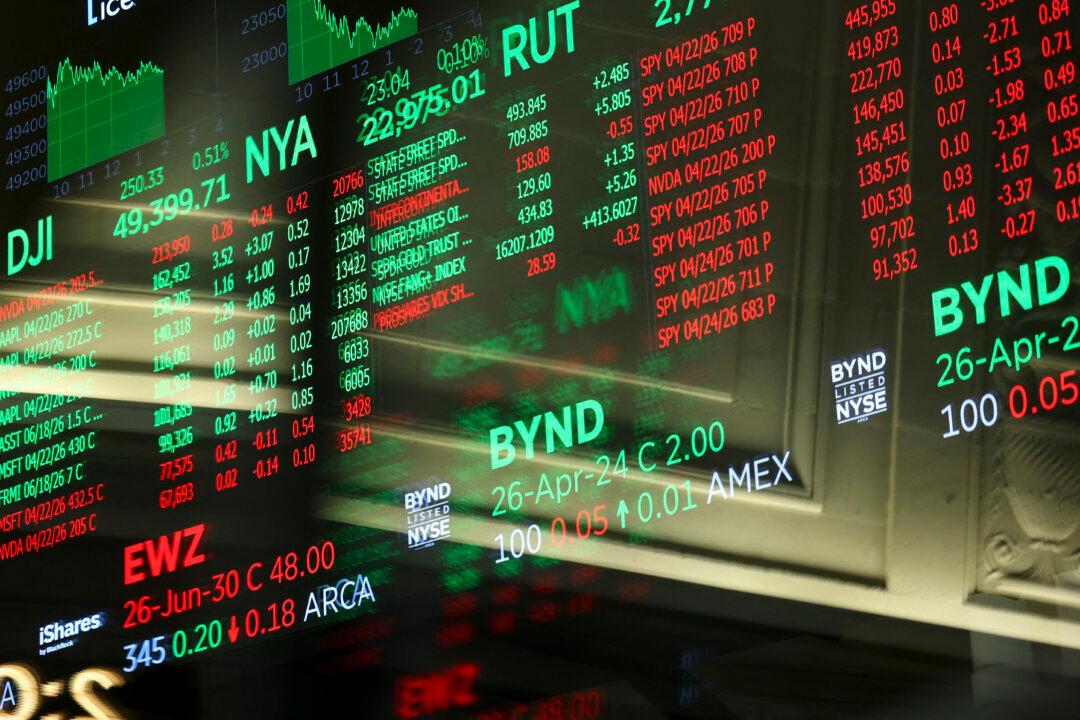
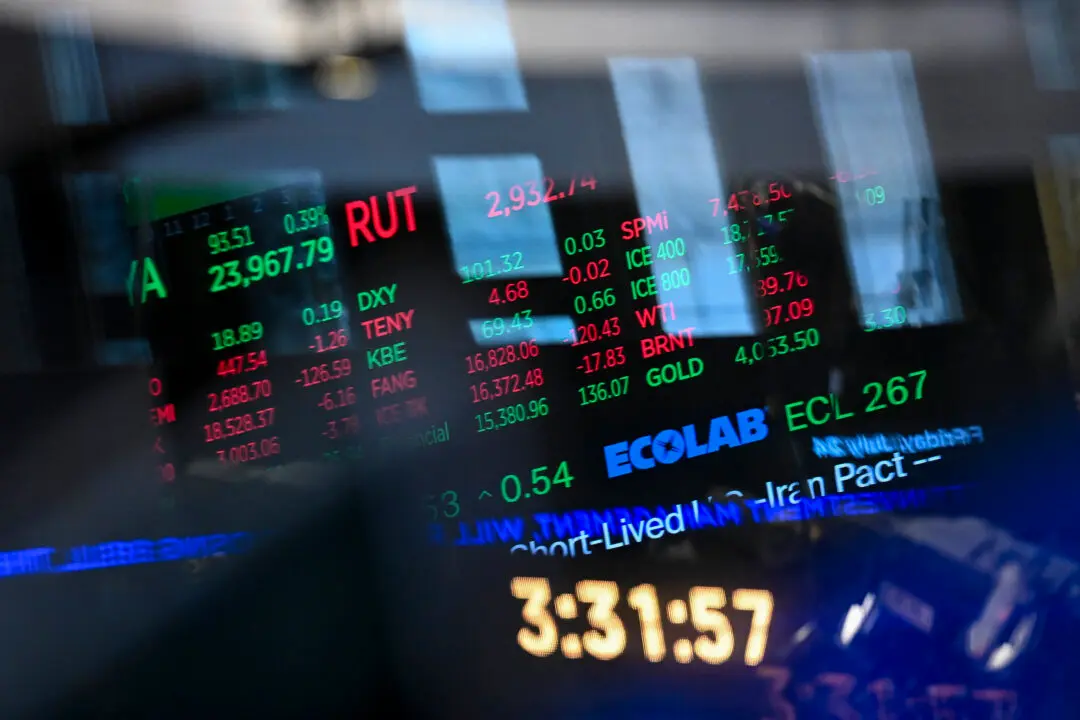
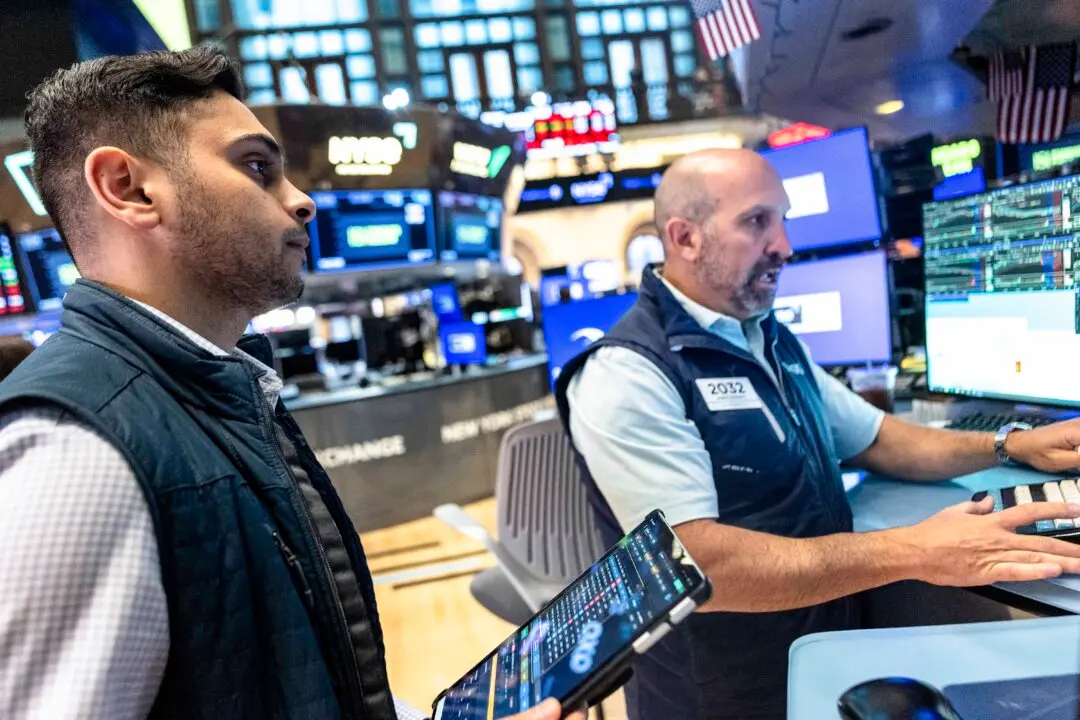
Stocks had nearly everything going their way this week: the easing of trade tensions between the United States and China, an interest rate cut, a wave of corporate deals, and better-than-expected earnings from market leaders.
Early Week Rally on Trade Hopes, Falling Yields
Stocks opened sharply higher on Oct. 27, amid optimism over an impending U.S.–China trade agreement ahead of a meeting between President Donald Trump and Chinese leader Xi Jinping.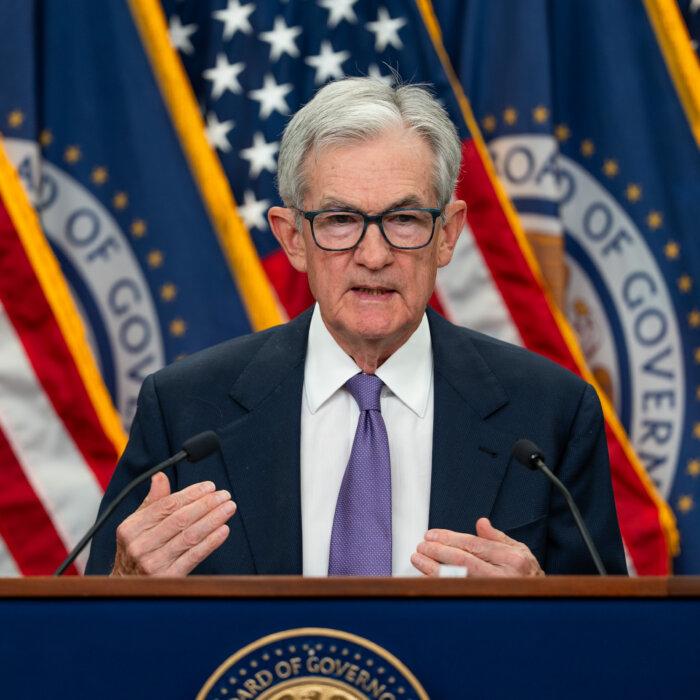
Corporate Deals and Earnings Extend Gains
The Oct. 28 trading session demonstrated additional strength, bolstered by strong earnings across several sectors and a wave of corporate announcements.In health care, UnitedHealth Group and Regeneron Pharmaceuticals rallied after topping profit estimates, with UnitedHealth providing a major boost to the Dow. United Parcel Service also reported strong results amid progress in its turnaround strategy.
In the technology sector, merger and partnership activity dominated headlines. Radio-frequency chipmakers Skyworks Solutions and Qorvo announced a merger; PayPal revealed a new partnership with OpenAI; Nvidia invested $1 billion in Nokia, hitting an all-time high; and Microsoft disclosed a 27 percent stake in OpenAI.
Fed Cuts Rates, Markets React Cautiously
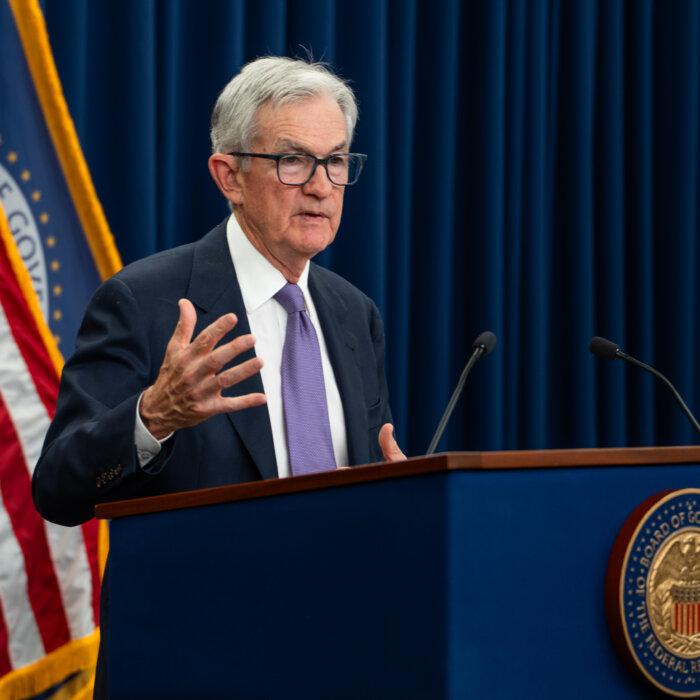
On Oct. 29, the Federal Reserve delivered a widely expected 25-basis-point rate cut, setting the federal funds rate at a new target range of 3.75 to 4 percent.However, investor enthusiasm faded as Chairman Jerome Powell offered little clarity on whether another cut would follow in December.
“Fed Chair Powell pushed back hard on the belief that a December interest rate cut is locked in. He tried to say it is not a foregone conclusion, but a December rate cut still seems likely,” Heather Long, chief economist at Navy Federal Credit Union, told The Epoch Times.
“No Fed leader wants to be responsible for a slowdown or a recession. The push will continue to protect the labor market from further deterioration and to bring interest rates back to neutral,” Long said.
Long believes that officials at the Federal Reserve will remain more focused on the job market than on inflation.
“It’s clear tensions will remain on the committee and there will be a hearty debate at the December meeting about what to do, but the Fed is in the business of protecting from downside risks and the biggest risk of all remains more layoffs,” she said.
The bond market reacted negatively to Powell’s remarks, with the 10-year Treasury yield jumping by 10 basis points to 4.07 percent.
Renewed Trade Optimism
On Oct. 30, Microsoft and Meta Platforms revealed colossal capital expenditure on artificial intelligence (AI) in their earnings reports, triggering a brief stock sell-off.Markets stabilized later as news broke of progress on a U.S.–China trade agreement.
Analysts Eye December for Possible Rate Cut
Market strategists remain divided on the Federal Reserve’s next move but see continued support for equities in the near term.“It’s fair to characterize Wednesday’s Fed meeting as unusual,” said David Laut, chief investment officer at California-based KERUX Financial.
“Even with limited economic data due to the government shutdown, the Fed appears ready to cut again in December as labor market sentiment weakens,” Laut told The Epoch Times.
Laut advised investors to rebalance their portfolios by trimming positions in large-cap tech, communications, and AI stocks and rotating into value and fixed-income assets.
Paul Stanley, chief investment officer at New Hampshire-based Granite Bay Wealth Management, calls for patience.
“Stocks never go up in a straight line. The recent dips have proven to be good opportunities,” Stanley told The Epoch Times.
Clark Bellin, president and CIO at Nebraska-based Bellwether Wealth, expects markets to moderate in the final months of 2025.
“While year-end is typically favorable for equities, we may see a more tempered market in November and December, given the strong gains in September and October,” Bellin told The Epoch Times.