Prices for used vehicles continued to climb in March as dealers bid for tight inventory, an automotive market barometer suggests.
According to Cox, the non-seasonally adjusted average wholesale used-vehicle price in March rose to $20,102, its highest level since the summer of 2023.
Jeremy Robb, chief economist at Cox, said auction prices began moving higher as soon as this year began, driven in part by dealers anticipating stronger consumer demand tied to larger tax refunds. He said sales conversion rates, which Cox uses as a measure of demand strength at auction, ran above 2025 levels in every week of the first quarter except one.
“We thought we’d see some impact from the Middle East conflict, and that may still happen,” Robb said in the report, referring to the United States and Israel’s war against Iran that is driving up gas prices around the world. “But right now, the data is clear: used-vehicle demand is healthy and inventory levels are relatively tight.”
Every major vehicle segment posted year-over-year gains in March, according to Cox, with the luxury and midsize car segments leading the market. Compact cars and trucks, while still higher than a year ago, showed weaker price growth relative to other categories.
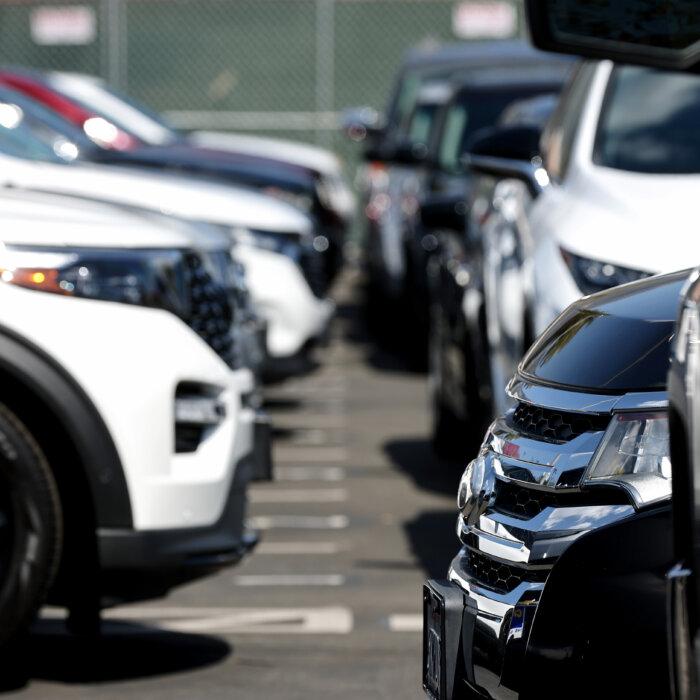

Demand was particularly notable in the electric-vehicle segment. Cox said its EV index rose 7.9 percent from a year earlier and 3.7 percent from February, outpacing the broader non-EV market, which was up 6.0 percent year over year and 1.8 percent month over month.
“We expect dealers are anticipating increased interest for used EVs as gas prices have now risen above $4.00 per gallon,” Robb said. “Dealers are stocking up on EV inventory.”
Used-car prices remain below the extreme highs reached in 2022 during the COVID-19 pandemic-era vehicle shortage, when supply-chain disruptions, semiconductor shortages, and constrained new-vehicle production pushed more buyers into the used market. Wholesale used vehicle prices reached a record of $22,902 in May of that year.
Even so, used vehicles remain more expensive than they were before the pandemic.