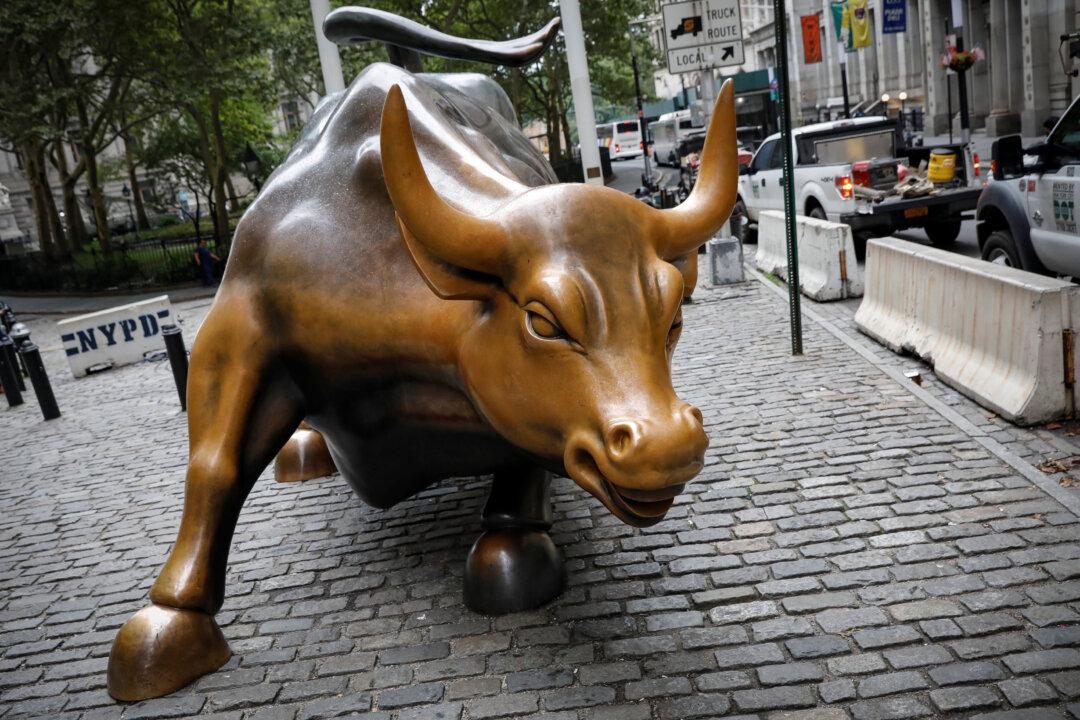
The U.S. economy is experiencing a “CapEx Comeback” this year as private-sector investment soars, the Treasury Department said.
Capex, short for capital expenditures, refers to investments businesses make to purchase or upgrade industrial equipment, vehicles, technology infrastructure, and machinery. Economists consider capital expenditures as a gauge of the future, as companies expand capacity or bolster efficiency in anticipation of future growth.
According to Federal Reserve Board data shared by the Treasury, capital expenditures surged at an annualized rate of 11 percent in the second quarter, following a 23 percent surge in the first three months of 2025.
In the first half of the year, capex spending is up nearly 17 percent—the largest back-to-back quarterly increase in almost 30 years.
“The One Big Beautiful Bill jumpstarted investment that’s lifting productivity, wages, and living standards,” Bessent stated.


U.S. officials say the capex boom could persist in the coming months owing to the reconciliation package signed on July 4, as it contains several incentives for increased business investment.
The legislation features 100 percent bonus depreciation, allowing businesses to deduct the full cost of qualified property immediately. In addition, the Republican mega-bill includes retroactive expensing to the start of President Donald Trump’s term, immediate expensing in research and development costs, and qualified production property deduction.
“I think that we could see growth and productivity well in excess of 3 percent for the coming year,” he said.
“The combination of tariff pressure and incentives such as permanent full expensing of equipment, research and development, and factory building may lead to on-shoring of industrial production in the coming years,” they said.
At the same time, they believe that since these provisions are meant to be permanent, companies may not feel the urgency to launch new projects.
Since the beginning of Trump’s second term, the United States has attracted trillions of dollars in domestic and foreign capital investment.
White House Touts America First Victories
The Trump administration has touted several victories from the president’s economic agenda.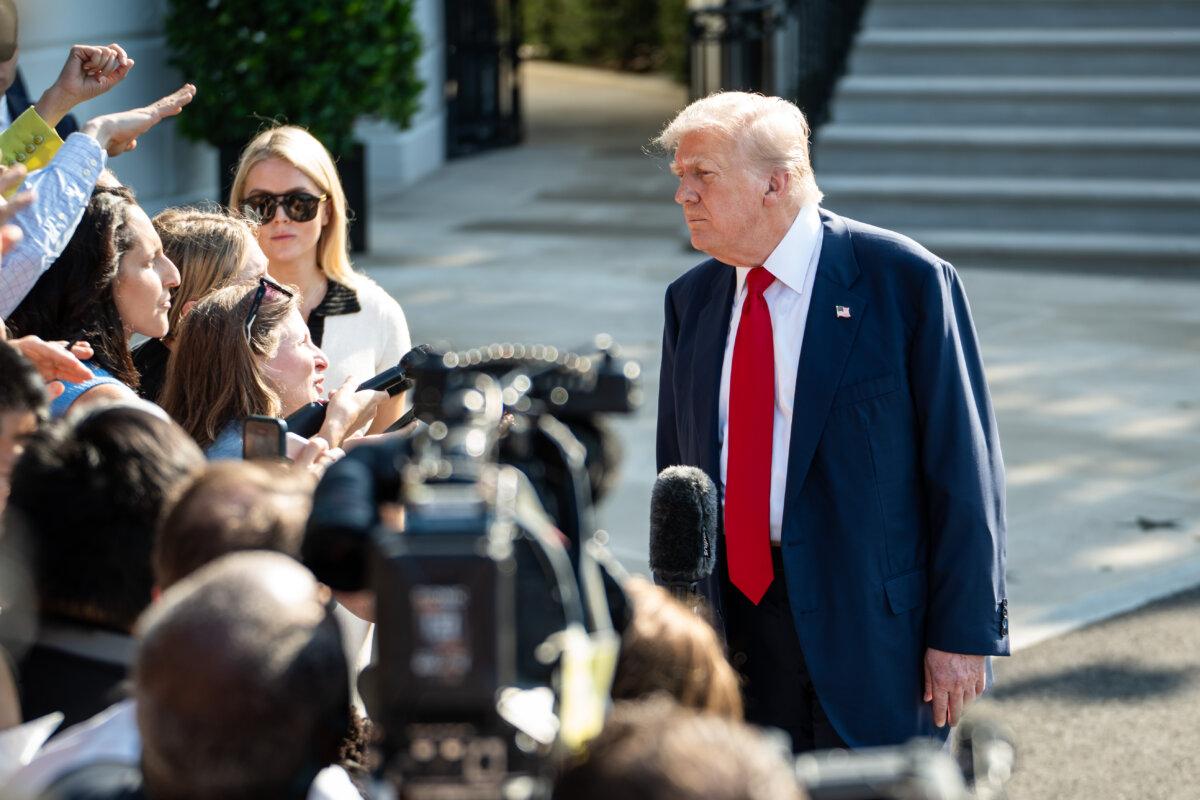
During the first five months of the previous administration, real wages fell by 1.7 percent.
Joe Lavorgna, counselor to the Treasury secretary, told The Epoch Times that the last time wages outpaced inflation at this level was during Trump’s first term. In addition, the only other president to register positive blue-collar real wage growth in the past 60 years was Richard Nixon, with a 0.8 percent rate.
“Pro-growth policies like tax reform and deregulation had a measurable impact on real wages, especially for blue-collar workers. This isn’t theoretical—it is showing up in the paychecks of everyday Americans,” Lavorgna said.
Another element of the president’s agenda that has seen substantial growth is tariff income.
While market watchers are bracing for tariff-driven inflationary pressures, the Treasury notes that these pressures have yet to materialize in the hard data, citing the producer price index (PPI).