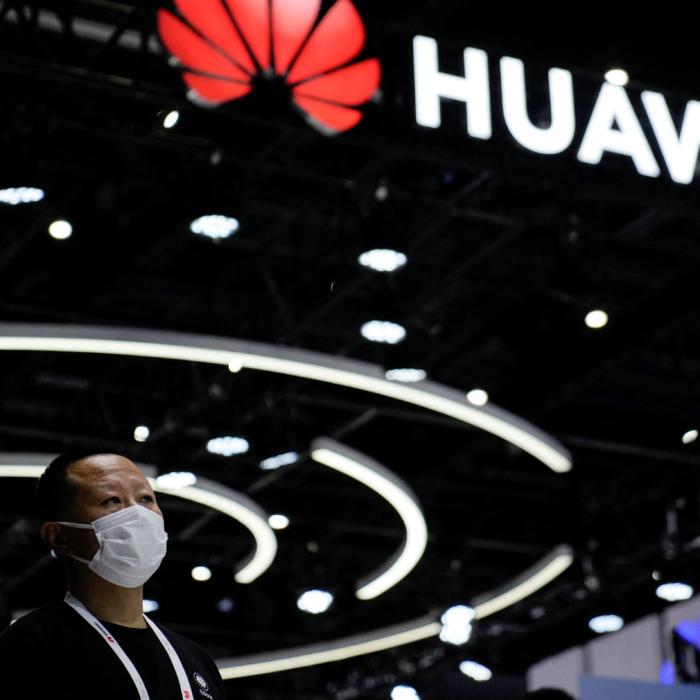
Seagate Technology has agreed to pay $175 million to settle a class action lawsuit alleging the company misled investors about its sales of hard disk drives to China’s Huawei Technologies following tightened U.S. export controls.
The proposed settlement was filed late on May 29 in federal court in San Francisco and requires approval from U.S. District Judge Rita F. Lin.
Shareholders alleged that Seagate, Chief Executive Dave Mosley, and Chief Financial Officer Gianluca Romano failed to adequately disclose the extent and risks of the company’s business with Huawei after changes were made to U.S. export regulations.
Seagate denied wrongdoing in agreeing to the settlement. Court filings show the company is expected to contribute approximately $105 million, while insurers will provide roughly $70 million.
Lawyers representing shareholders plan to seek up to 25 percent of the settlement fund for legal fees. The agreement was reached following mediation and negotiations between the parties.
According to the U.S. Commerce Department’s Bureau of Industry and Security (BIS), Seagate continued supplying hard drives to Huawei after the 2020 rule changes without obtaining the required authorization. Competitors largely halted comparable shipments during that period, BIS findings show.
The BIS action publicly detailed Seagate’s Huawei-related sales and became a key basis for subsequent shareholder claims. Investors alleged that the company’s prior public disclosures did not fully reflect the regulatory risks associated with those transactions.
Seagate is incorporated in Ireland, headquartered in Singapore, and maintains significant operations in Fremont, California.
The U.S. government in 2019 added Huawei to its Entity List—a trade blacklist that restricts access to American technology–because it determined the company engaged in activities contrary to American national security or foreign policy interests. This included alleged violations of sanctions on Iran cited in a Department of Justice indictment.
If the shareholder settlement receives final court approval, compensation will be distributed to eligible investors under a court-approved allocation plan. A final approval hearing has not yet been scheduled.
Huawei, based in Shenzhen, China, has denied that it poses a threat to U.S. national security.
In May, the European Commission recommended that EU member states exclude Huawei and ZTE equipment from telecom operators’ connectivity infrastructure. The move aims to strengthen cybersecurity in critical digital networks across the 27-nation bloc.