The department is seeking to revise the investigatory and enforcement policies of its Office of Aviation Consumer Protection (OACP), a unit within the department’s Office of the General Counsel.
OACP monitors airline and ticket agencies to assess whether they comply with the department’s consumer protection and civil rights regulations.
“Ending Federal overreach and restoring the constitutional separation of powers is a priority of my Administration,” Trump wrote in the order.
In compliance with this executive order, OACP intends to modify its enforcement program, according to the notice.

If OACP finds that an airline or ticket agency has violated consumer protection rules, the agency will “attempt to address the problem by issuing a warning letter to help the regulated entity achieve compliance and resolve the issues before pursuing enforcement actions,” it said.
Only when OACP has evidence of “widespread, systemic, egregious, or intentional violations, it may determine that enforcement action is appropriate,” the notice said.
When enforcement action is taken, OACP will attempt to negotiate a “reasonable civil penalty” and “reasonable corrective actions” with the company to ensure affected customers are made whole, according to the notice
OACP said that prioritizing compliance efforts before taking enforcement actions will be a more effective way to improve air travel for Americans.

“When warranted, civil penalties are meant to change the violator’s behavior and bring about compliance,” the notice states. “Civil penalties should be reasonable and proportional to the violation and its impacts, and the bases for penalty assessments should be consistent and transparent to the public.”
When considering civil penalties, OFAC will take into consideration factors such as the maximum amount of allowable civil penalty, the number of violations committed by the airline, how long the violations continued, the scope of harm, whether these violations were deliberate, and the alleged violator’s ability to pay.
The department invited the public to comment on the proposal. Comments should be submitted by Feb. 5, it said.
According to the notice, it supersedes a previous notice issued by the department in January 2023 under the previous administration.
A spokesperson for Transportation Secretary Sean Duffy said that under the previous administration, the department focused on fines that “enriched government coffers, not civilian travelers.”
“Protecting the American people remains our top priority, and we won’t hesitate to impose sanctions for widespread, egregious, or intentional violations as appropriate,” the spokesperson said.
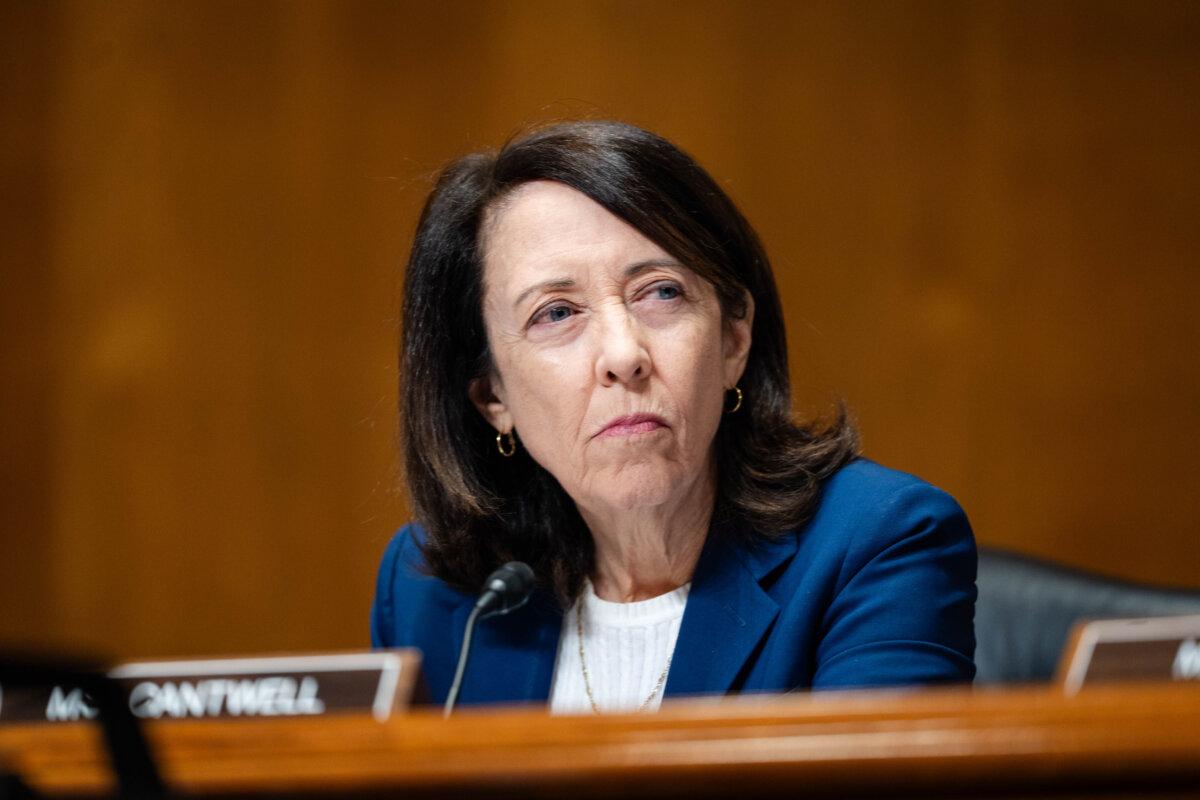
“This Administration needs to stop rolling back regulations and fines that hold industry accountable—it’s their job to protect consumers when airline mistakes ruin Americans’ travel plans,” Cantwell said.
According to the consent order, $11 million was the final installment of a $35 million fine, and Southwest had already invested more than $112 million in its Network Operations Control.
“DOT believes that this approach is in the public interest as it incentivizes airlines to invest in improving their operations and resiliency, which benefits consumers directly,” the order stated.