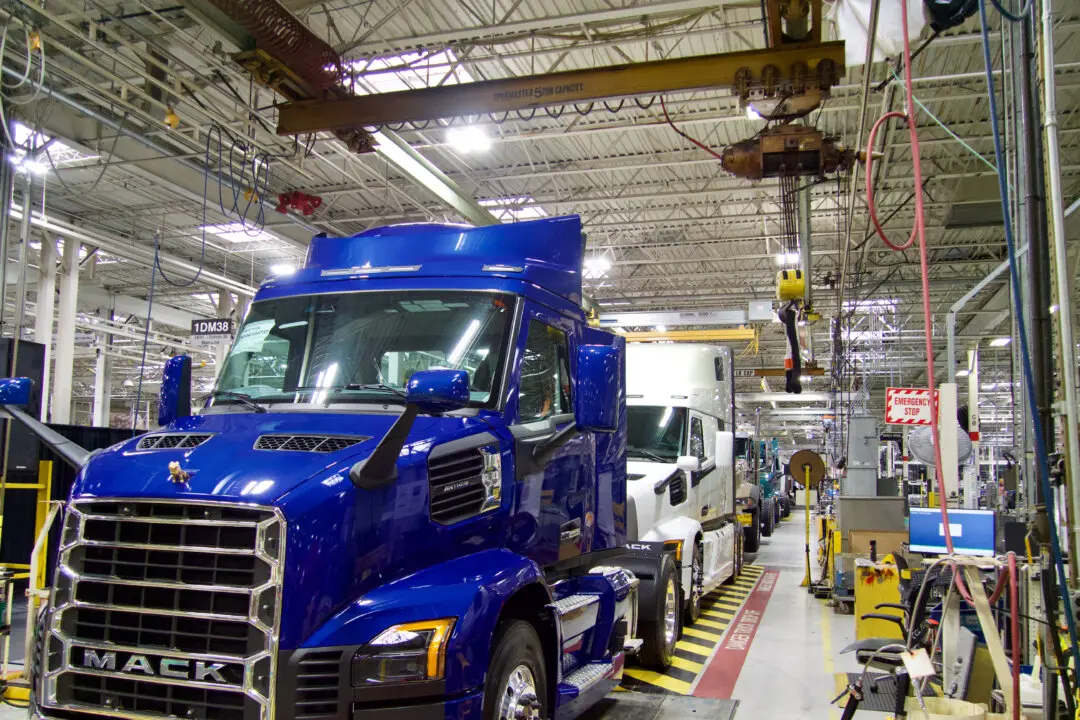
U.S. manufacturing activity surged for the fourth consecutive month in June, reaching a four-year high on front-loading orders, new data show.
The S&P Global US Manufacturing Purchasing Managers’ Index rose from 55.1 in May to 55.7 this month, the highest level since May 2022.
The PMI is a monthly measure of the sector’s prevailing economic direction. Any reading above 50 indicates expansion.
Markets had forecast June’s print coming in at 54.8.
Since the beginning of the war in Iran in late February, businesses have been bolstering their orders to avoid product shortages and mitigate rising price pressures.
U.S. manufacturing firms reported output growth at the fastest pace since July 2021, fueled in part by front-running potential supply chain issues and war-driven price hikes.

“While there is better news from the manufacturing sector, we remain concerned as factory growth continues to be temporarily buoyed by inventory building amid supply fears,” said Chris Williamson, chief business economist at S&P Global Market Intelligence, in a statement. “Supply delays grew more widespread in June.”
Even before the conflict in Iran, factory activity had been robust.
The Institute for Supply Management’s widely watched PMI has registered solid growth in the first five months of 2026.
Still, based on the survey’s signals, current output volumes correlate “with the economy struggling to grow much faster than a 1 percent annualized rate in the second quarter,” Williamson added.
While it is subject to revision, the Atlanta Federal Reserve’s GDPNow Model estimates 3 percent growth in the second quarter, driven by consumer spending and business investment.
Prices and Jobs
Rising prices and falling employment were also most notable in the monthly report.
While average manufacturing input cost inflation moderated from the previous month’s peak, June’s number was the second highest in about four years.
Employment receded for the second straight month and the third time in four months. Manufacturing payrolls declined at the fastest pace since the early days of the pandemic.
Ballooning energy costs have been filtering through the wider economic landscape.
Gasoline prices, for example, advanced more than 23 percent at the wholesale level in May, according to the Bureau of Labor Statistics.
“These are the prices that American manufacturers, distributors, and service providers were actually paying through the month of May—over the past 90 days, actually—while the war was ongoing and the Strait was restricted,” Mark Malek, CIO at Siebert Financial, said in an emailed note to The Epoch Times.
U.S. firms have been looking for ways to offset higher input costs and prepare for uncertain economic conditions. One strategy has been to target payrolls.
“Factory job cuts are running at the highest since 2009 if the pandemic is excluded, reflecting concerns over the sustainability of the recent upturn in demand alongside worries over the escalating cost of raw materials,” Malek said.
Job growth has been anemic in the manufacturing sector, with payrolls falling by 68,000 since January 2025.
This has caught the attention of a pair of lawmakers.
Sens. Elizabeth Warren (D-Mass.) and Mark Kelly (D-Ariz.) penned a letter to the administration—Treasury Secretary Scott Bessent, Commerce Secretary Howard Lutnick, and Trade Representative Jamieson Greer—questioning its trade policy efforts.
“Blue-collar jobs are disappearing, a trend that economists blame at least in part on the president’s historic and volatile tariff policy,” the senators wrote. “The Trump Administration’s trade agenda has favored the interests of wealthy corporations and Trump allies, leaving manufacturing workers behind.”
Beyond the manufacturing sector, however, the labor market has been solid, adding 565,000 new jobs since March.
White House Hopeful
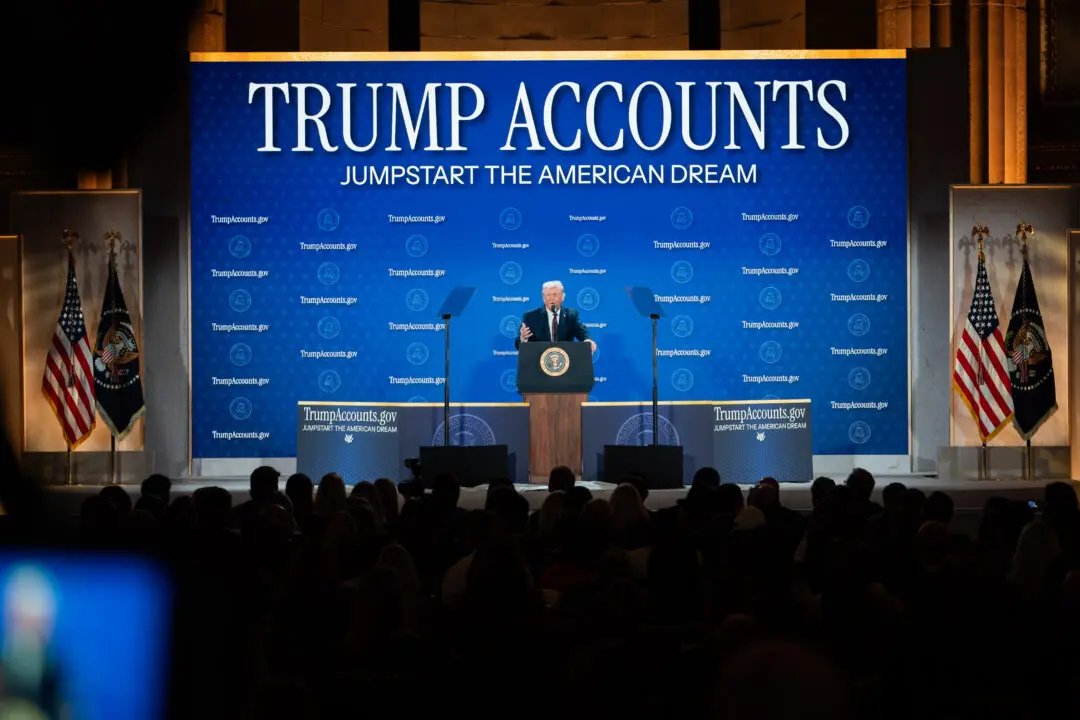
President Donald Trump’s expansive tariff agenda instituted early last year is meant to reshore manufacturing, create jobs, and generate substantial investment.
Hundreds of automobile, pharmaceuticals, semiconductor, and tech companies—at home and abroad—have committed to trillions of dollars in investment to build factories, renovate facilities, and develop skills and training programs.
At a May event in Michigan, Vice President JD Vance touted the sector’s resurrection under the current administration.
“We are done overregulating American businesses,” Vance said last month in a speech.
“We are going to be guided by a simple principle: Build in this country. We cut your taxes, we reduce your regulation, and we reduce your energy costs. Build in this country. Make American manufacturing great again. And we are going to fight for you—and the president will, too.”
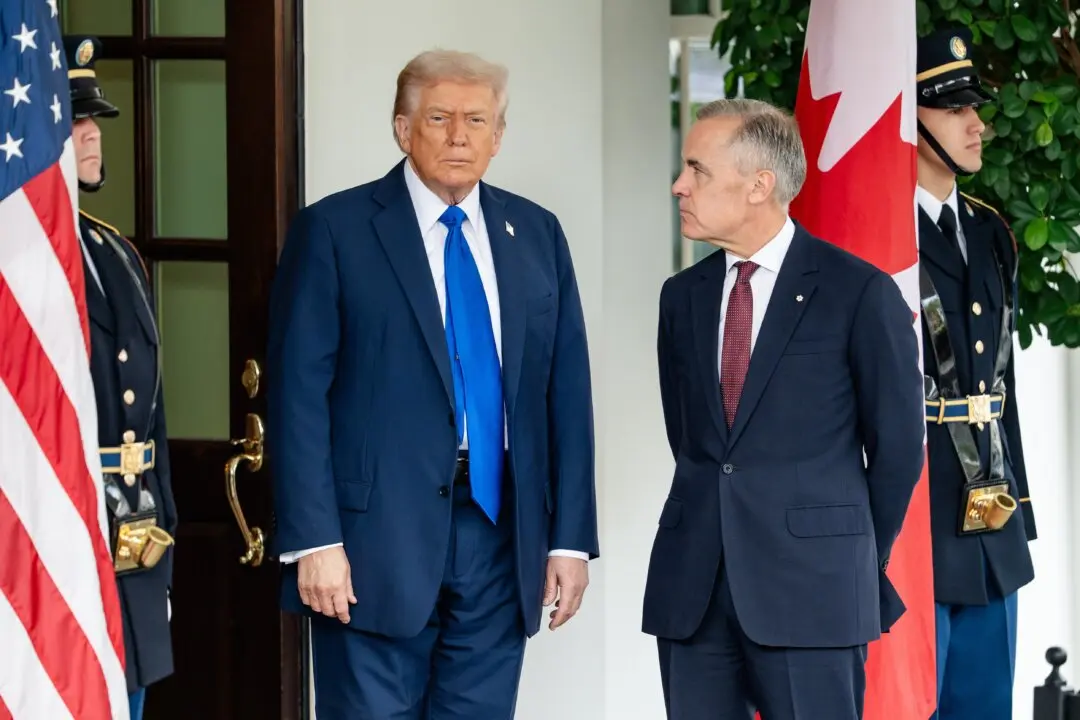
U.S. officials are currently engaged in trade negotiations with India and also with North American neighbors.
The Supreme Court in February overturned the majority of Trump’s tariffs, concluding that the 1977 International Emergency Economic Powers Act—the statute he invoked—did not authorize duties. The president responded by implementing blanket 10 percent levies.