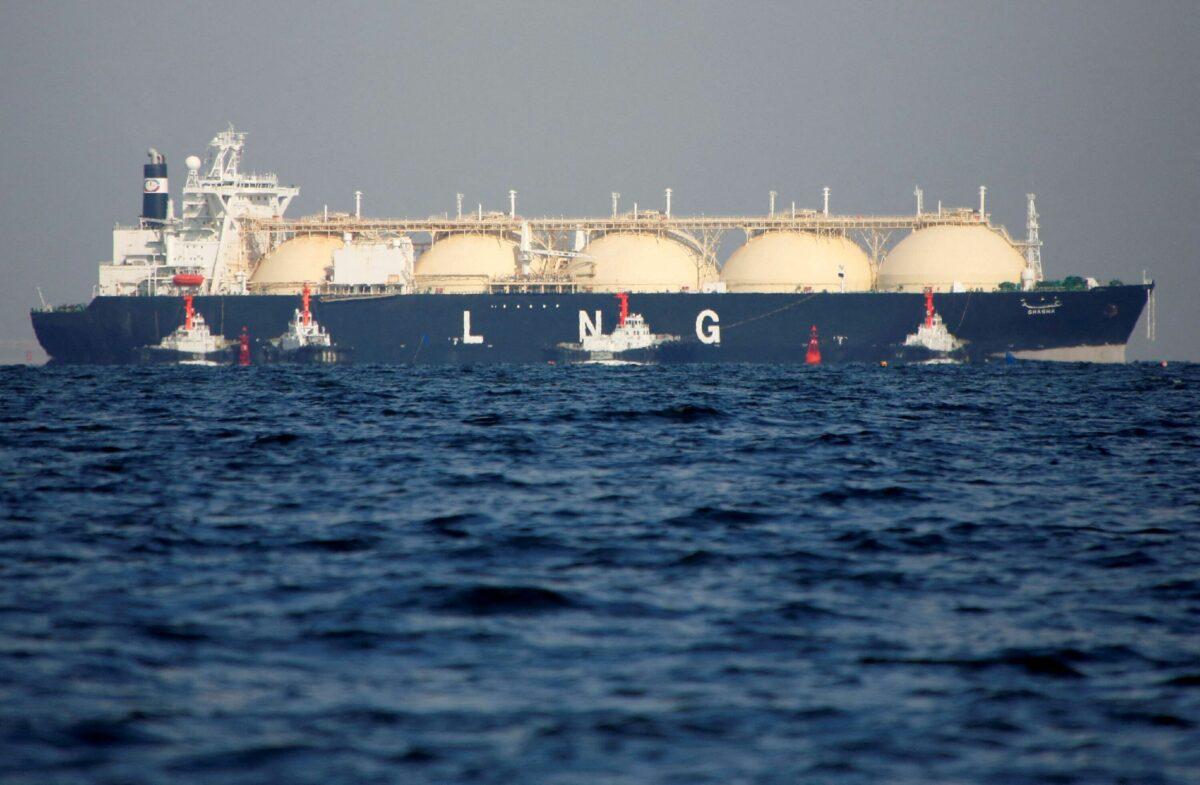
Exports of U.S. liquefied natural gas (LNG) reached a record high in November, according to new data from financial firm LSEG.
The United States shipped 10.9 million metric tons in November, up from 10.1 million in October. Similar numbers might be observed in December, LSEG said in a report shared with The Epoch Times on Dec. 2.
Last month’s shipments were driven primarily by the nation’s two largest LNG exporters: Cheniere Energy (4.6 million metric tons) and Venture Global (3 million metric tons).
Europe was the top market for U.S. LNG exports in November, receiving 70 percent of the shipments. Asia accounted for 16 percent.
Today, the United States is the largest LNG producer and exporter, an accomplishment that began more than a decade ago when the energy industry unleashed the shale revolution, leading to abundant reserves and lower production costs.
The current administration has been setting the stage for an acceleration of the natural gas boom. President Donald Trump has supported regulatory rollbacks, streamlined export permits, and expanded export approvals and investments in new pipelines and LNG terminals. New trade agreements have also included provisions for the purchase of U.S. natural gas.
Demand for U.S. LNG will strengthen in the year ahead, the Energy Information Administration (EIA) said.
“We expect the United States will export 14.9 billion cubic feet per day of LNG this year, which is 25 percent more than last year,” the EIA stated. “Plaquemines LNG in Louisiana has ramped up exports more quickly than we expected, leading us to raise our forecast of LNG exports in 4Q25 by 3 percent compared with last month’s outlook.”
Plaquemines LNG is a large-scale LNG export facility located in Louisiana that processed approximately 4 billion cubic feet per day this year.
Meanwhile, surging LNG exports pushed U.S. liquefaction demand to an unprecedented 18 billion cubic feet per day in November, according to LSEG data. Daily volumes topped 19 billion cubic feet for the first time.
Robust demand led to rising Henry Hub prices, averaging $4.47 per million British thermal units, up by more than $1 from the previous month.
U.S. production continued to increase as well, climbing by 14.9 billion cubic meters, a 44 percent increase from 10.3 billion cubic meters a year ago.
Pricing in Natural Gas Growth
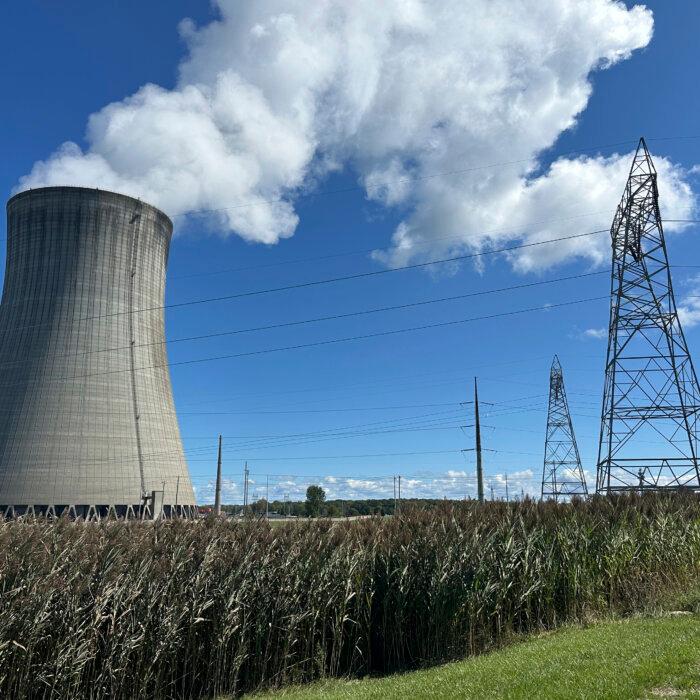
Global appetites for natural gas will likely persist, driven in part by rocketing data center demand, especially as the United States waits for new nuclear power plants to come online.“Natural gas provides quick, reliable electricity for behind-the-meter solutions, which are increasingly popular while nuclear remains long-term and costly,” Simon Lack, portfolio manager of the Catalyst Energy Infrastructure Fund, said in a note emailed to The Epoch Times.
In the near term, with recent weather forecasts indicating a colder-than-normal December, demand could strengthen, potentially supporting prices and production volumes.
The EIA said in its outlook that natural gas prices could average $4 per million British thermal units in 2026—16 percent higher than in 2025—fueled by surging LNG exports.
But Phil Flynn, energy strategist at The PRICE Futures Group, said prices could spike should “Old Man Winter” overstay his welcome.
January natural gas futures finished the Dec. 2 trading session down by more than 1 percent, at $2.78 per million British thermal units on the New York Mercantile Exchange.